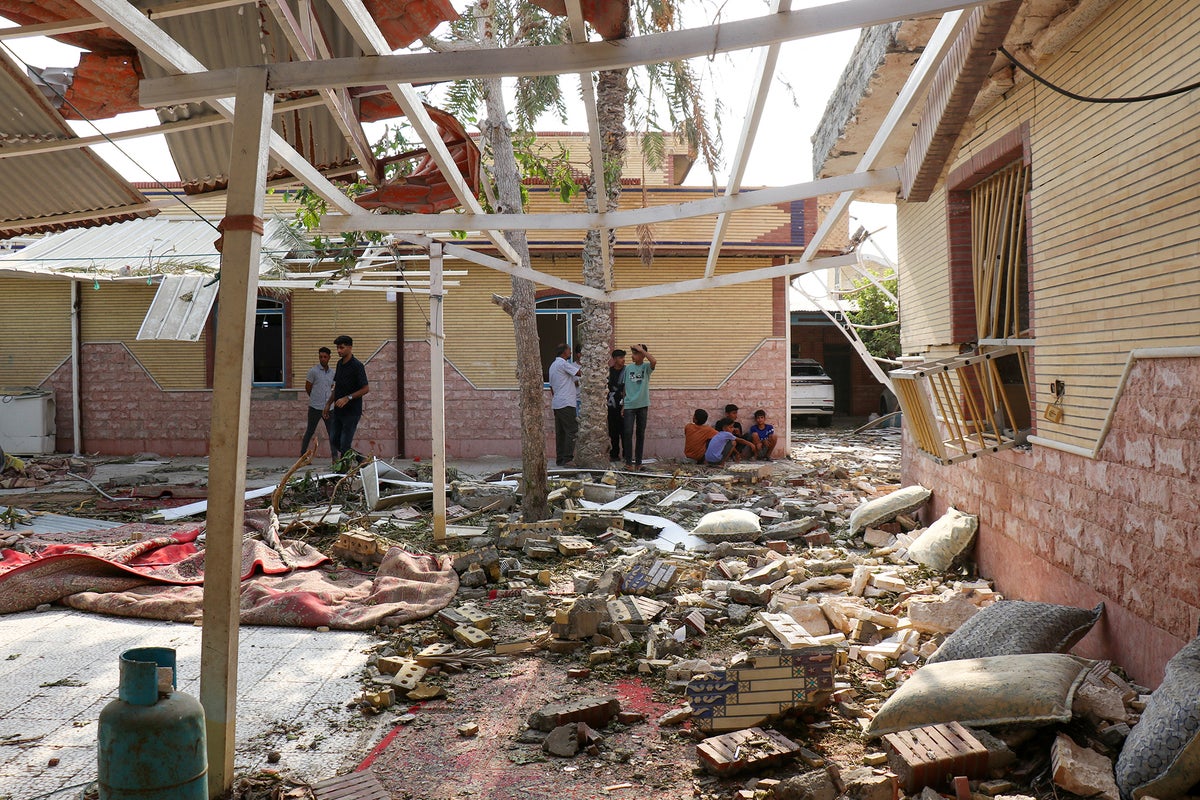
The music was not loud enough to drown out the sky.
In many villages across the region, a wedding is not merely an afternoon ceremony; it is a multi-day anchor of collective survival. It is where debts are temporarily forgotten, where neighbors pool their meager stores of sugar, rice, and oil to feed a hundred mouths, and where the rhythmic thrum of the davul drum attempts to momentarily push back the crushing weight of ongoing conflict. For hours, the courtyard was a living organism of bright fabrics, children darting between benches, and the sharp, sweet smell of roasting meat.
Then came the flash.
And then, silence. Not the quiet of peace, but the deafening vacuum left behind when a community’s future is abruptly unmade in a fraction of a second.
When news agencies report on a suspected United States strike hitting a wedding party in rural areas, the headlines are built from clinical terminology. They speak of precision munitions, kinetic strikes, intelligence assessments, and collateral damage. The numbers are filed away: four dead, several wounded, an investigation pending. But statistics do not bleed. They do not capture the pulverized mortar of a courtyard wall, or the white shroud of dust that settles over a bridal gown, turning vibrant red silk into a dull, ash-gray relic.
To understand what happened, we have to look past the sanitized military briefings and step into the fog of modern remote warfare.
Modern military intervention often relies on a terrifying illusion: the belief that looking through a high-definition digital lens from thousands of miles away grants absolute comprehension. Analysts sit in air-conditioned containers, staring at glowing monitors that translate human beings into green and white thermal signatures. To a screen thousands of miles away, a cluster of people gathered tightly together at night looks remarkably like a tactical assembly. It looks like a gathering of targets.
It does not look like a family dancing. It does not look like uncles carrying platters of food or cousins laughing over old memories.
This is the catastrophic disconnect of asymmetrical conflict. The digital eye sees movement, heat, and geometry, but it remains utterly blind to context, culture, and humanity. In regions where insurgent movements and civilian populations occupy the same geographic coordinates, the margin for error shrinks to zero. Yet the tools deployed are designed for sweeping calculations, not the intimate discernment required to separate a militant camp from a village celebration.
Consider what happens next in the aftermath.
The immediate phase is characterized by a frantic, blood-soaked scramble for triage. Local clinics are overwhelmed. Neighbors become emergency responders, carrying bodies through the dark in the beds of pickup trucks. For the survivors, the trauma is split in two: the unbearable grief of sudden loss, and the bewildering realization that the strike came from an unseen power that operates beyond accountability.
Then comes the diplomatic fallout, which follows a grim, predictable choreography. Initial denials or cautious admissions from defense officials. Vows to investigate. Vows to review targeting protocols. Days turn into weeks, and the initial international outrage fades into the background noise of a dozen other global crises. The investigation drags on behind closed doors, its findings rarely satisfying the families who are left to bury their dead. The machinery of state moves on, protected by layers of bureaucracy and distance, while the village remains trapped in the permanent wreckage of that single night.
This is not just a story about a mistaken coordinate or a faulty intelligence report. It is a stark reminder of the hidden human cost borne by those who live in the crosshairs of superpower competition. Every time an aerial platform is deployed on incomplete information, a fragile social fabric is torn apart. The wedding guests who perished were not combatants. They were farmers, laborers, children, and dreamers whose only crime was gathering under the wrong patch of sky on the wrong night.
The dust in that courtyard eventually settled. The neighbors swept away the debris, patched the holes in the wall, and tried to resume the rhythms of daily existence. But the empty chairs at the table remain, a permanent monument to a tragedy born of distance, haste, and the terrible blindness of looking at the world entirely through a screen.

:max_bytes(150000):strip_icc()/moscow-kremlin-and-st-basil-cathedral-at-dusk-158200423-5a64f4594e46ba00377331fb.jpg)

