The morning air of September 11, 2001, tasted like copper and old paper. Within minutes, it tasted like nothing living things were meant to breathe.
When the towers fell, they did not simply collapse; they pulverized. Concrete, glass, asbestos, heavy metals, jet fuel, and office electronics were instantly ground into a fine, alkaline powder that drifted across lower Manhattan like volcanic ash. It settled on windowsills. It coated the shoulders of exhausted firefighters. It hung in the gray sky, heavy and oppressive, a shroud over a city waiting to exhale.
And then came the reassurance.
The air is safe. Breathe normally. Go back to work.
Those words did not come from a place of malice. They came from a place of desperate urgency. The economy needed a pulse. A traumatized nation needed to see its financial capital standing upright, moving, functioning. Officials in high offices looked at complex data streams, balanced competing priorities, and chose an answer that felt necessary at the time. They traded long-term safety for immediate relief.
They were wrong.
Consider what happens when invisible poison is labeled benign. People take off their masks. They sweep their sidewalks with ordinary brooms. They open their apartment windows to let the autumn breeze inside, unaware that the breeze is carrying microscopic shards of glass and pulverized drywall straight into their lungs.
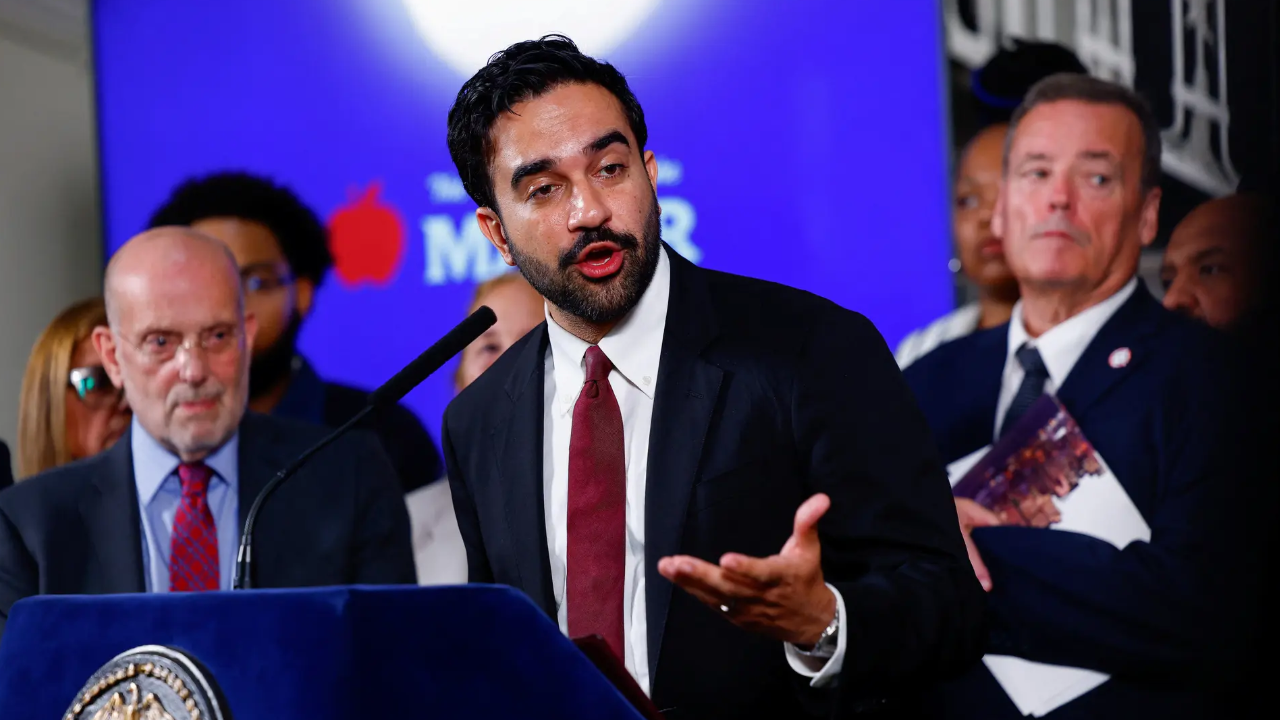
For years, the official narrative remained neat, orderly, and contained. Documents were filed, statements were issued, and the public was encouraged to look forward. But paper trails have a way of outliving the administrations that create them. Recently released documents, brought to light through the efforts of figures like Zohran Mamdani, have ripped open the archives of that era to expose a chilling reality. The records show a persistent, calculated effort to downplay the toxicity hanging in the Lower Manhattan atmosphere, prioritizing institutional calm over the raw, breathing bodies of the people who lived beneath the cloud.
To understand why this betrayal cuts so deep, you have to look past the bureaucratic language of parts-per-million and risk thresholds. You have to look at the kitchen tables.
Imagine a fictional resident named Sarah, though her story mirrors thousands of real ones. In October 2001, Sarah lived three blocks from Ground Zero. She spent her days scrubbing a fine, white film off her toddler’s toys. Every time she wiped the table, the dust came back. When she coughed—a dry, persistent hacking that felt like swallowing sand—she told herself it was just stress. The government on TV said the air was fine, after all. Men in suits with important titles stood behind microphones and assured her that experts were monitoring every breath.
Trust is a fragile architecture. When citizens are told by their governing bodies that a hazard does not exist, they override their own biological warning systems. The body says choke, but the authority says safe. Most people choose to believe the authority. They want to believe it.
Years later, Sarah’s cough didn't go away. It evolved. It turned into chronic asthma, and eventually, into cellular changes that doctors whispered about with grim familiarity. She was not a firefighter heroically rushing into the rubble. She was just a civilian living her life in the wrong zip code at the exact wrong moment in history.
The newly surfaced documents reveal that the machinery of reassurance was well aware of the discrepancies. Internal communications show officials wrestling with conflicting data, recognizing that the particulate matter floating through the financial district was deeply hazardous, yet systematically watering down public warnings. The pressure to project normalcy acted as an invisible thumb on the scale.
Why does this matter now, decades later? Because accountability is not just about assigning blame for past failures. It is about understanding how power behaves under stress. When a crisis hits, the instinct of centralized authority is often to manage the panic rather than manage the risk. They manage the narrative to protect institutions, leaving individuals to absorb the physical collateral damage.
We like to think of public safety as a hard science, cold and objective. But history shows it is deeply human, vulnerable to politics, optics, and economic anxiety. The dust from that September morning did not vanish when the fires finally went out. It settled deep into the biological history of a generation. It lingers in scarred lung tissue, in medical bills, and in the quiet grief of families who trusted the wrong people at the worst possible time.
The documents are out in the open now, ink on paper, proving what the survivors knew in their chests all along. The air was never clean. The danger was never imaginary. And the hardest truth to swallow is not what was floating in the wind, but how easily those in power decided that our lungs were an acceptable price to pay for a sense of normal.
The wind cleared the streets eventually. The buildings rose again, taller, shinier, designed to withstand the unthinkable. But the gray film remains, pressed between the pages of forgotten memos, waiting for someone to finally read the truth out loud.