When two powerful tropical systems threaten major populated hubs simultaneously, standard disaster response plans get tested to their absolute limits. That was the reality when Hurricane Polo barrelled toward Mexico's Baja California peninsula while Hurricane Nolo churned across the Pacific toward the Hawaiian islands. Dealing with a single major storm is difficult enough for local infrastructure, but managing simultaneous Pacific threats exposes just how quickly regional emergency resources can stretch thin.
If you live in a coastal zone or frequently travel during hurricane season, watching these back-to-back systems highlights a harsh truth: local governments often find themselves reacting rather than fully prepared when twin threats emerge. Let us break down what actually happened during this dual-threat event, why these storms caught people off guard, and what you need to know if you ever find yourself in the path of a major Pacific hurricane. In similar news, read about: The Architecture of Executive Survival Mechanics Behind the Serbian Power Shift.
The Real Threat Behind Hurricane Polo in Baja California
When Hurricane Polo set its sights on Baja California Sur, emergency management teams immediately shifted into high gear. Packing top sustained winds near 125 mph as a dangerous Category 3 storm, Polo was not just another passing rainmaker. It carried the potential to drop 6 to 12 inches of rain across vulnerable desert and coastal terrain prone to flash floods and mudslides.
Ports closed down. Flights at Los Cabos International Airport experienced immediate delays, and municipal workers scrambled to clear arroyos before the water started rushing through the streets. Residents who lived through previous storms knew the drill, but that did not make the anxiety any easier. Families packed emergency bags, boarded up windows, and moved to designated shelters as the outer bands began lashing the coast. The Guardian has analyzed this fascinating topic in extensive detail.
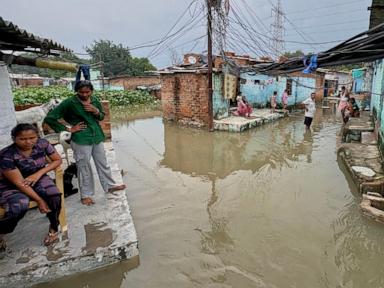
The main danger with a storm like Polo isn't just the wind tearing shingles off roofs—it's the water. Arroyos that remain bone-dry for eleven months out of the year can transform into raging, impassable rivers within minutes. Driving through these flooded crossings is a fatal mistake that locals and tourists alike still occasionally make, prompting frantic rescue operations.
Simultaneous Panic: What Was Happening With Hurricane Nolo Near Hawaii
While emergency crews in Mexico braced for impact, thousands of miles away across the open ocean, Hurricane Nolo was keeping forecasters and residents on edge. Even as Nolo began tracking away from the islands, it left behind a punishing trail of heavy rain, high surf, and dangerous winds that lashed the Big Island and Maui.
Hawaii is no stranger to tropical systems, but the cumulative exhaustion of handling multiple storms in a single season takes a heavy toll. Governor Josh Green had already requested emergency disaster declarations as community groups scrambled to ship critical supplies like camp stoves, tarps, and hygiene products by air cargo to the hardest-hit regions.
High winds from Nolo even fueled a fast-moving brush fire in West Maui that scorched more than 100 acres and forced the evacuation of local residents. It is a stark reminder that hurricanes bring secondary hazards—like downed power lines sparking wildfires—that can be just as destructive as the wind and rain itself.
What Most People Get Wrong About Pacific Hurricane Seasons
A common misconception is that Pacific hurricanes behave the same way Atlantic storms do. People often assume that once a storm moves over cooler water or hits rugged terrain, it simply fizzles out into a harmless afternoon shower.
In reality, systems like Polo and Nolo often interact with local geographic features—like the Mexican monsoon or steep volcanic slopes in Hawaii—to squeeze out massive amounts of rainfall long after their peak wind speeds drop. Polo's remnants did not just vanish; they pushed inland, combined with upper-level weather patterns, and triggered flash flooding risks that stretched all the way into parts of the American Southwest.
Another mistake travelers make is underestimating how quickly transportation hubs shut down. Airlines cancel flights at the first hint of high crosswinds, and major federal highways can wash out in a matter of hours, stranding visitors in resort towns or remote coastal villages with limited food and fuel supplies.
Practical Steps for Coastal Safety
If you live in or travel to hurricane-prone regions during peak storm season, hoping for the best is a terrible strategy. Preparation requires concrete, proactive steps before a watch is ever issued.
- Secure an independent water and power supply: Do not rely on municipal grids staying up. Keep at least one gallon of water per person per day for a minimum of a week, alongside battery-powered backup chargers.
- Identify your local evacuation zone: Know whether your home or hotel sits in an arroyo path, a low-lying coastal flood zone, or an area vulnerable to landslides.
- Keep cash on hand: When power grids fail, electronic card readers stop working instantly. Having physical currency is essential for buying emergency supplies from local vendors.
- Pay attention to local civil protection authorities: Do not wait for mandatory evacuation orders to become suggestions. When officials tell you to clear low-lying areas, move immediately.
Twin threats like Polo and Nolo prove that nature operates on its own timeline, often doubling up when we least expect it. Staying informed and respecting the sheer power of these storms is the only way to come out safely on the other side.