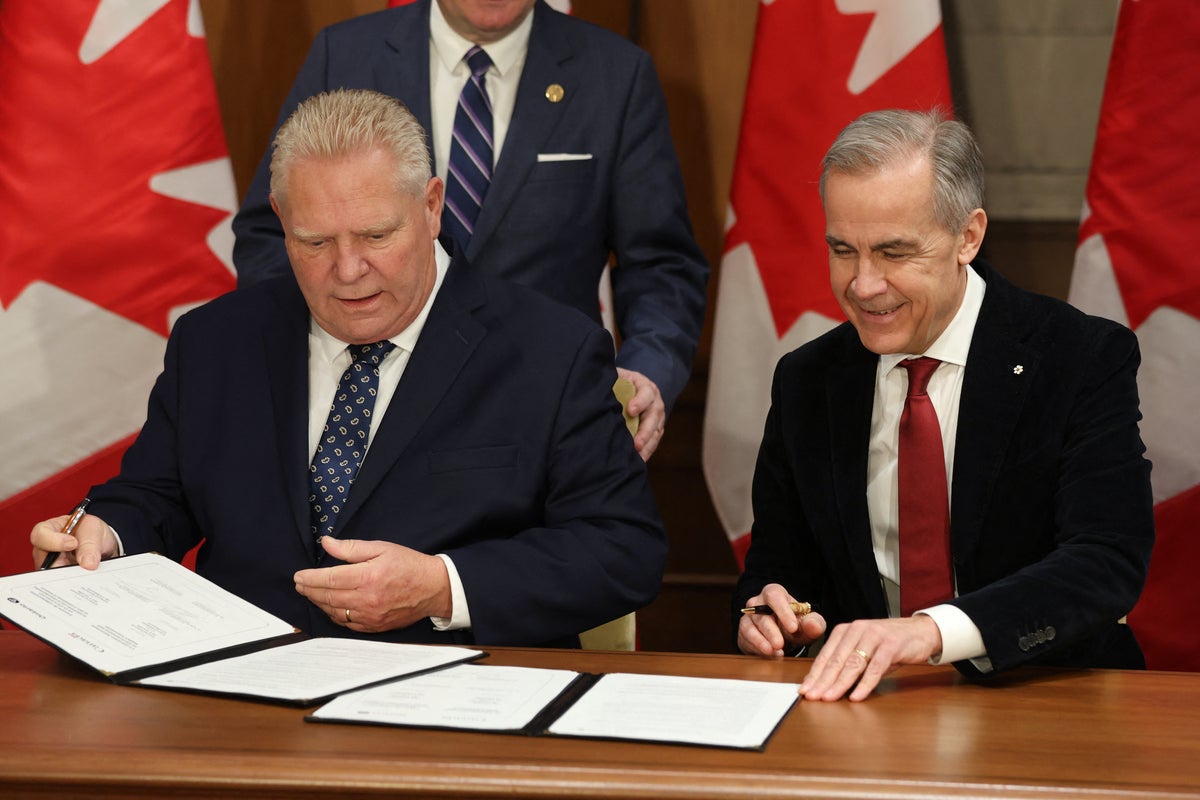
Ontario Premier Doug Ford just launched a blistering verbal assault on Washington, and he is not bluffing about pulling the plug. When trade negotiations collapsed and the White House slapped a 50 percent tariff on billions in Canadian goods, Canada stopped playing nice. Ford didn't mince words. He claimed that former US President Ronald Reagan would be physically sick looking at the current administration's protectionist economic policies.
If you think this is just standard political posturing, look closer. The cross-border trade dispute has escalated from bureaucratic posturing into an all-out economic war. Ford made it crystal clear that Ontario holds cards the United States cannot easily ignore. We are talking about electricity exports, high-grade nickel, uranium, and vital manufacturing supply chains that keep American factories humming. For a different look, see: this related article.
The Power Play Behind Ontario Electricity and Minerals
Ontario is not an economic lightweight. The province feeds power to roughly 1.5 million homes and businesses south of the border. When Ford warns that everything is on the table, that includes cutting off electricity transmissions to states like Michigan, Minnesota, and New York. He has done it before. During past skirmishes, Ontario levied a 25 percent surcharge on exported power, proving that provincial leaders can squeeze American border states instantly.
Then there are critical minerals. Modern defense manufacturing, aerospace technology, and electronics rely heavily on the materials mined and refined in Ontario. Ford stated bluntly that if the trade fight deepens, American buyers will not get a single grain of sand. Further coverage regarding this has been published by Associated Press.
"He underestimates Canada. We're all in. Up here, we're at a fever pitch, everyone's in for an economic war." — Doug Ford
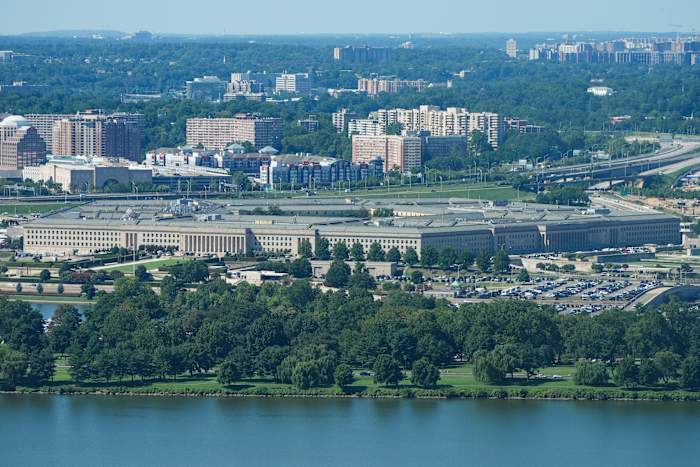
The Pentagon has spent years trying to secure reliable supply chains to avoid foreign dependencies. Picking a fight with a close neighbor over high-grade nickel and uranium works against that exact national security goal.
Why the Ronald Reagan Reference Stings
Bringing up Ronald Reagan is a calculated psychological jab. President Trump famously keeps a portrait of Reagan near his West Wing desk. By claiming Reagan would be spinning in his grave and throwing up over these tariffs, Ford is attacking the historical branding of the American right. Reagan championed free trade, argued against punitive protectionism, and repeatedly warned that tariffs trigger damaging retaliatory cycles.
This is not the first time Ford weaponized Reagan's legacy. Last year, Ontario funded American television spots featuring archival footage of Reagan warning about trade wars. That campaign enraged the White House and caused a temporary halt to talks. Reviving the argument now signals that Canadian leadership refuses to fold under pressure.
The Auto Sector Crosshairs
The automotive industry sits right in the middle of this mess. Ontario acts as the beating heart of Canadian vehicle manufacturing. Plants operated by General Motors, Ford, and Stellantis are deeply integrated with assembly lines in Michigan and Ohio. Parts cross the border multiple times before a vehicle ever rolls off the line.
When Washington introduced steep tariffs on autos and steel, Prime Minister Mark Carney walked away from the negotiating table after refusing demands that would heavily restrict Canadian trade sovereignty. Ford accused the US administration of attempting to hollow out Canadian manufacturing and turn the country into a economic vassal state.
Canadians are bracing for economic pain, but public sentiment suggests deep resistance rather than compliance. If you operate a business relying on cross-border logistics, prepare for severe supply chain volatility. Review your supplier dependencies today, audit your exposure to upcoming tariff hikes, and diversify your resource procurement before regional trade borders freeze up completely.