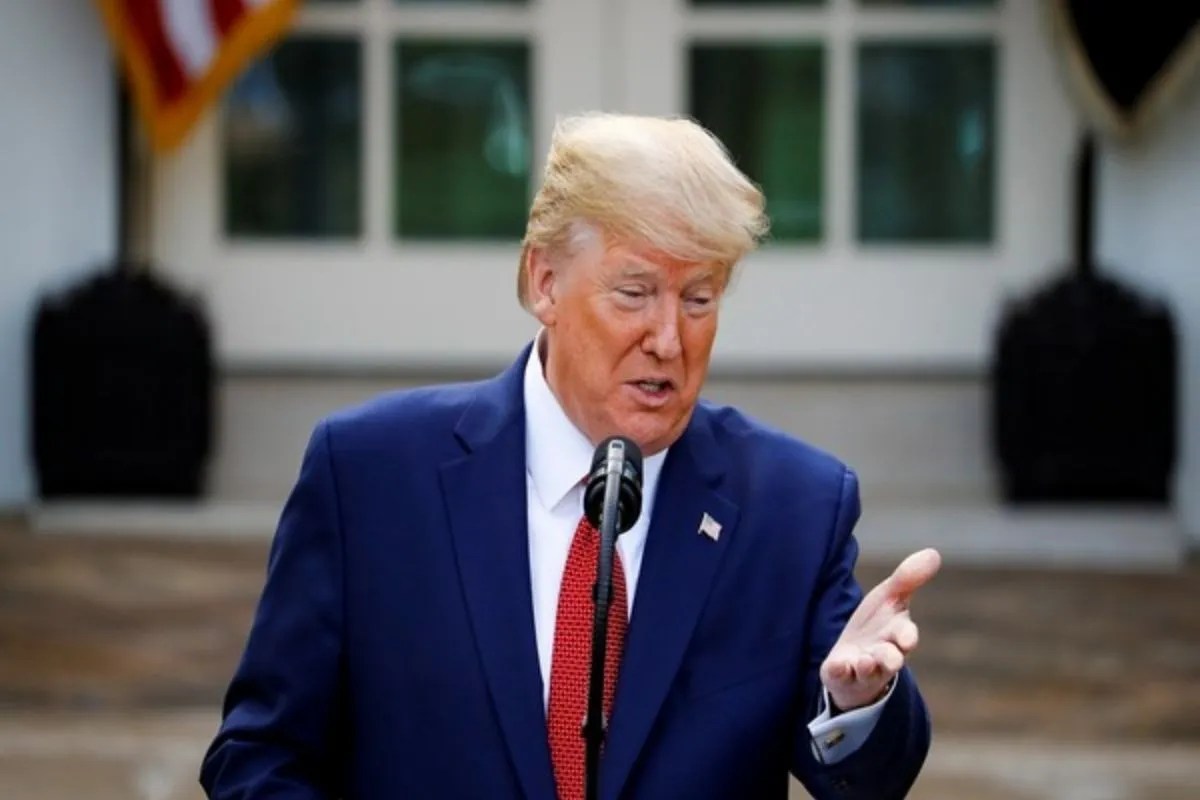
When the highest court in the United States steps in to block a president's signature economic policy, most politicians back down. Donald Trump isn't most politicians. Following a ruling that dismantled his administration's broad import taxes, the White House didn't retreat. Instead, officials spun up alternative legal levers within hours to keep the economic pressure alive.
If you've been trying to figure out how global trade keeps shifting under this administration, you're looking at a relentless clash between judicial oversight and executive persistence. Let's break down why this ongoing friction matters and what it actually means for international markets. Expanding on this theme, you can find more in: The Economics of Public Asset Disposal A Critique of the Jacksons Hill Valuation Model.
The Legal Fault Lines Behind the Tariff Battle
The core dispute centers on executive overreach versus constitutional powers. The judiciary ruled that sweeping global levies cannot rely solely on historical emergency statutes like the International Emergency Economic Powers Act. According to the bench, the authority to tax and set tariffs fundamentally belongs to the legislative branch.
Trump didn't mince words in his response, arguing publicly that judicial interference undermines national economic security and hands an unfair advantage to foreign competitors. Rather than accepting the setback, the administration immediately pivoted to alternative mechanisms, utilizing sections of older trade acts to re-impose baseline duties. This rapid counter-strategy proves that trade protectionism remains the non-negotiable anchor of the administration's economic blueprint
Donald Trump and the High Stakes Battle Over Tariffs That Nobody Is Talking About Analysts at Harvard Business Review have also weighed in on this trend.
news
Donald Trump isn't backing down on trade. Even after judicial rulings and massive political pushback, his hardline tariff strategy remains the centerpiece of his economic playbook. He insists that court decisions blocking his trade measures actively harm the country, arguing that protectionist walls are the only way to shield domestic manufacturing. But is he right, or is this policy an expensive gamble that Americans will ultimately pay for at checkout counters?
Let's cut through the noise. Tariffs aren't some abstract tax paid by foreign governments. American importers pay them. Yet, supporters swear by them as job creators. The reality is messy. When courts step in to stall executive trade actions, it sparks a fierce debate over executive authority, global supply chains, and inflation.
Why the Courts Got Involved
Judicial pushback against sweeping executive tariffs usually boils down to statutory limits. Presidents have broad powers under laws like the Trade Expansion Act of 1962, but those powers aren't infinite. When administrations try to bypass Congress to levy universal duties under the guise of national security, judges pump the brakes.
Critics cheered these rulings as a win for constitutional checks and balances. Trump sees it differently. From his perspective, unelected judges are tying the hands of the commander-in-chief while foreign competitors feast on open markets. He argues that binding the executive branch on trade policy strips the nation of its economic teeth during negotiations.
The Real Cost of Protectionism
If you've bought appliances, cars, or building materials lately, you've felt the ripple effects of trade restrictions. Tariffs raise the cost of raw materials like steel and aluminum. Domestic producers might catch a temporary break from cheap foreign competition, but downstream manufacturers get squeezed.
Consider a factory making heavy machinery in the Midwest. They need imported components to stay competitive globally. When those components get hit with a twenty percent tax, profit margins evaporate. They either absorb the hit, lay off workers, or pass the cost onto buyers.
Economists point out that trade deficits rarely vanish just because you put up a wall. They simply shift. If you block goods from country A, supply chains migrate to country B, often with higher overhead costs.
What Trump Gets Right About Global Trade
Dismissing the entire tariff strategy as a blunder misses the point entirely. Decades of unbridled globalization gutted American manufacturing towns. Entire regions turned into rust belts while supply chains clustered overseas, particularly in Asia.
Trump changed the political conversation permanently. He forced both major political parties to admit that free trade agreements came with a massive domestic human cost. Before his administration, politicians mostly ignored displaced factory workers. Now, protecting domestic industrial capacity is a bipartisan obsession, even if the methods trigger endless legal battles.
When foreign nations subsidize entire industries to crush US competition, relying purely on market forces doesn't work. Tariffs serve as a blunt instrument to force adversaries back to the negotiating table. Say what you want about the execution, but it breaks the diplomatic status quo.
Navigating the Economic Reality Moving Forward
If you're running a business or trying to protect your personal finances from policy shocks, waiting for certainty is a fool's errand. Trade policy is volatile. Elections and court rulings will keep shifting the rules overnight.
Diversify your supply chain immediately if you rely on heavily taxed sectors. Do not assume current exemptions will last. Keep a close eye on regulatory filings from the Court of International Trade, because those legal challenges dictate which way the market swings next. Smart operators are already building buffers into their pricing models rather than hoping for a sudden return to frictionless global trade.
The legal tug-of-war over trade powers will define American economic governance for years. Judges will keep checking executive overreach, and politicians will keep pushing the envelope. The friction is the system working as intended, messy as it looks. Stop waiting for the chaos to settle. Build resilience into your plans today.