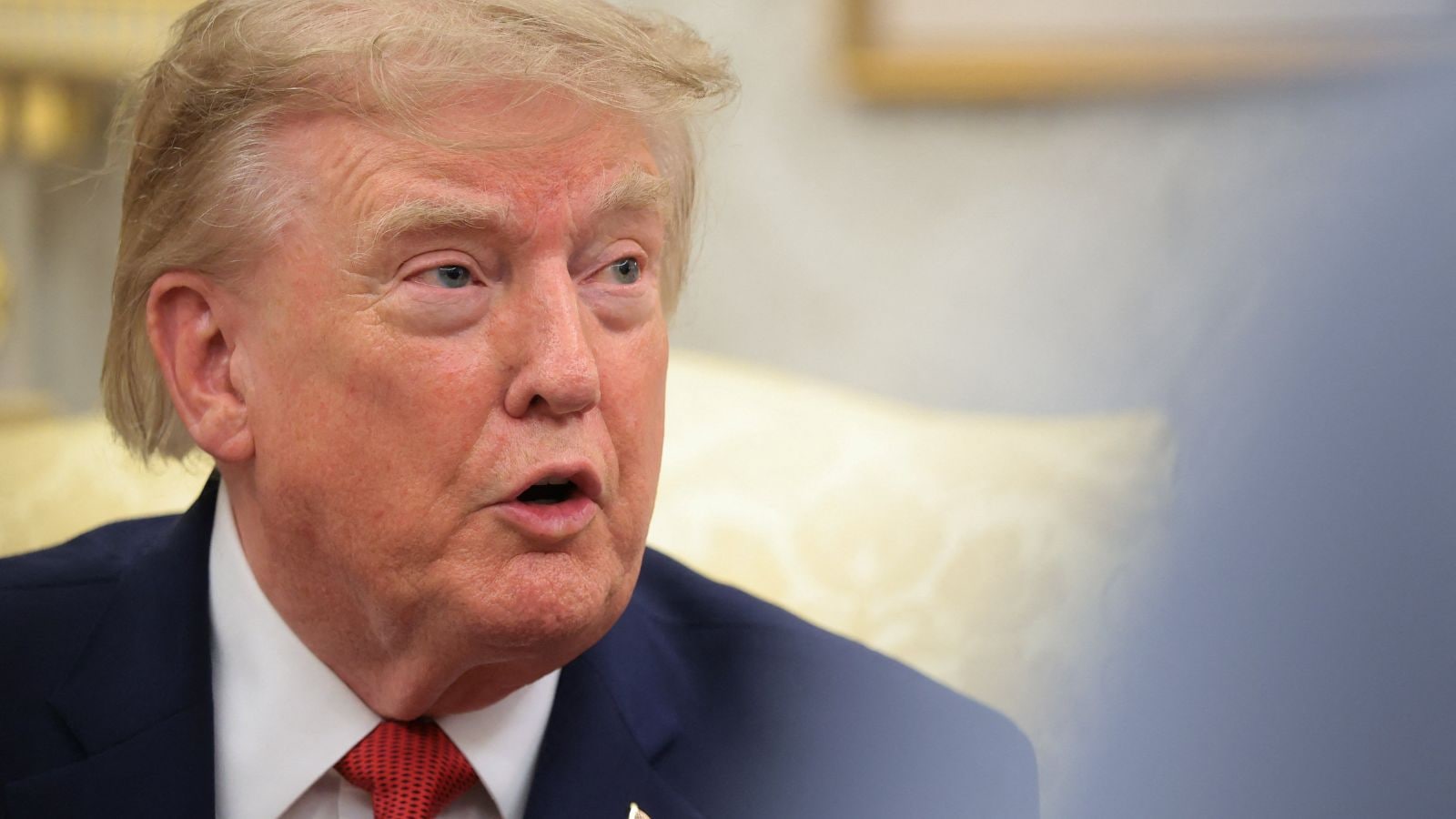
Donald Trump just won't let 2020 go. He's back at it, claiming that a massive review proves thousands of non-citizens cast illegal ballots.
You've probably heard these arguments before. But the political stakes right now are entirely different. Trump is using fresh numbers to push hard for the SAVE America Act. He wants strict federal voter ID and citizenship mandates. Let's break down what he's claiming, what the data actually says, and why this fight matters for upcoming elections.
The Census Bureau Claims and the New Numbers
Trump recently took to social media to share details from an ongoing review. According to his statements, the U.S. Census Bureau started matching 2020 voter rolls against its citizenship databases.
The initial look covered 128 million voters. Trump claims this review identified over 24,000 non-citizens who supposedly voted illegally. He also argues that checking the remaining 32 million records will cause that number to spike.
Predictably, he used these figures to repeat his core assertion: "I WON THE ELECTION!"
Independent verification of these specific figures remains tricky. Election experts and statisticians point out that official datasets take months to audit properly. Past claims about widespread non-citizen voting usually fall apart under intense scrutiny. For instance, state-level audits in places like Utah and Georgia routinely find vanishingly small numbers of non-citizens on voter rolls, let's say a handful out of millions. Risking deportation or federal prison time for a single illegal vote makes little sense logically. Yet the narrative persists because it serves a clear political strategy.
Pushing the SAVE America Act
Trump isn't just venting about the past. He's weaponizing these numbers to demand immediate legislative action. He wants Congress to pass the Safeguard American Voter Eligibility (SAVE) America Act.
What does this bill actually do? It forces states to change how they handle voter registration.
- Requires physical proof of U.S. citizenship, like a birth certificate or passport.
- Mandates a valid government photo ID at the ballot box.
- Restricts mail-in voting to specific exceptions like military service or severe illness.
- Directs states to aggressively scrub non-citizens from federal voter rolls.
Supporters view these rules as common sense. They argue that protecting the ballot box is job number one. Critics see them as an attempt to suppress voter turnout by adding unnecessary bureaucratic hurdles.
The International Angle
Trump has also started comparing American voting procedures to global standards. He recently highlighted comments from India's Chief Election Commissioner. He pointed out that India managed an election with over 640 million voters using mandatory photo identification and strict in-person voting rules, with less than one percent voting by mail.
The White House has echoed this comparison. They argue that the United States relies way too much on self-attestation for citizenship compared to nations that link voter ID directly to biometric databases. It's a clever rhetorical pivot. It shifts the debate from a partisan squabble over 2020 into a broader conversation about modernizing election infrastructure.
Whether these census claims hold up under independent legal review doesn't change the immediate political reality. The debate over voter rolls and citizenship verification is front and center. Expect this fight to define the legislative calendar as lawmakers battle over federal election rules.
Fact-checking Trump's claims about election security during his primetime speech
This video provides an in-depth fact-check of the former president's election security claims and non-citizen voting arguments during his recent public address.
http://googleusercontent.com/youtube_content/1