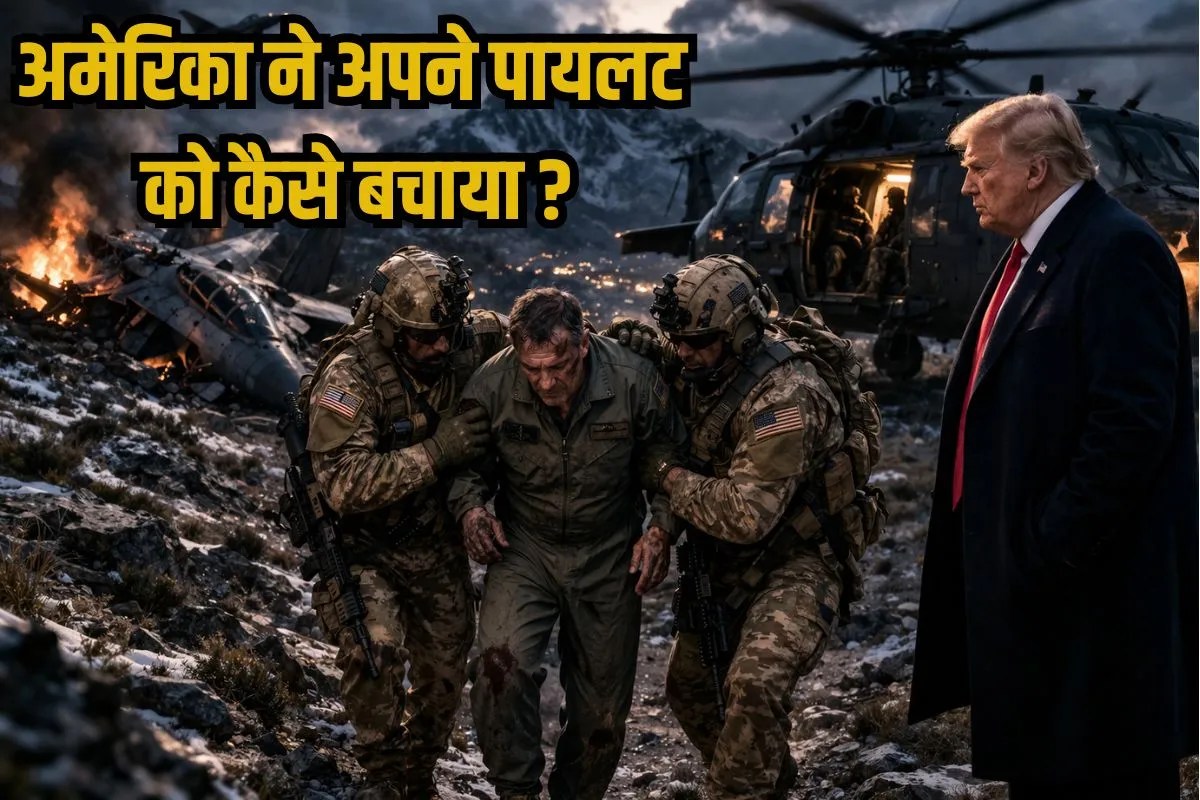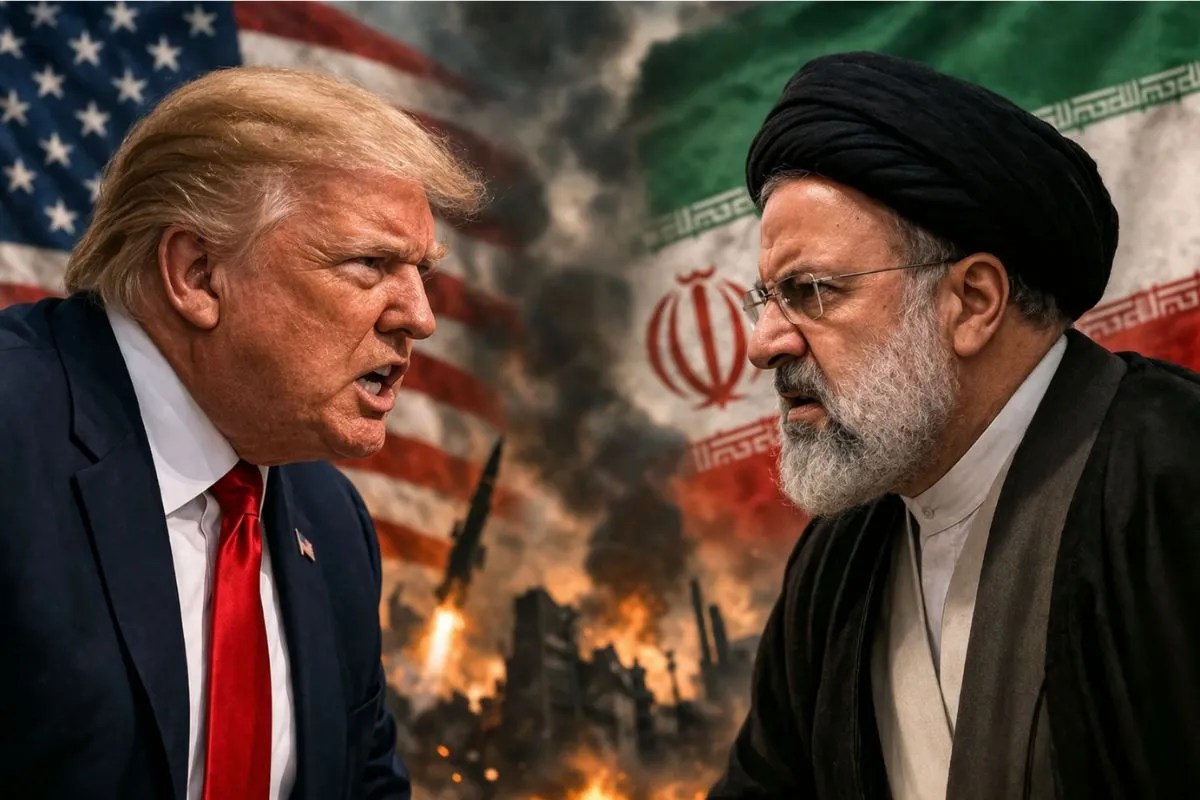
The image of an untouchable American sky is falling apart. For decades, the Pentagon sold us a specific dream. They told us that if the U.S. sends its fighter jets into a conflict, the enemy simply disappears. But recent events in the Middle East and Eastern Europe are proving that this "air dominance" is more of a marketing slogan than a modern reality. Donald Trump is inheriting a mess where two American-made fighter jets were recently downed, and frankly, it’s becoming his biggest foreign policy headache before he can even settle into the Oval Office.
If you think the U.S. still owns the skies, you aren't paying attention to the wreckage. The loss of high-tech assets against non-state actors and regional powers isn't just a tactical failure. It's a signal. It tells every adversary that the billion-dollar "invisible" shield has holes in it. Trump campaigned on ending wars, but he’s finding out that the hardware he relies on for leverage is more vulnerable than he ever admitted.
Why the Air Dominance Claim is Crumbling
For years, the U.S. Air Force operated under the assumption that stealth and superior electronics would keep pilots safe. That worked in the 1990s. It doesn't work in 2026. The recent destruction of two American-made fighter jets—reportedly targeted by advanced drone swarms and integrated air defense systems—shows that the gap has closed. Our enemies aren't trying to out-fly us in dogfights. They're just making the air too "thick" with cheap, effective tech for expensive jets to survive.
Trump loves to brag about the "beautiful" military equipment he authorized. Yet, these machines are now falling out of the sky. When a $100 million jet is taken out by a system that costs less than a luxury SUV, the math stops working. This isn't just about losing planes. It's about losing the fear that those planes used to instill in others.
The Drone Problem Trump Didn't See Coming
The biggest threat to American air superiority isn't a Russian MiG or a Chinese J-20. It's the democratization of destruction. Low-cost drones have changed everything. While the U.S. spent forty years perfecting the F-35, the rest of the world figured out how to saturate the battlefield with thousands of small, expendable targets.
I've watched this shift happen. In past conflicts, you took out the radar, and the sky was yours. Now, there is no single "brain" to kill. The sky is filled with decentralized threats. Trump’s "America First" policy relies on being the toughest kid on the block, but it's hard to look tough when your most expensive toys are being picked off by "suicide" drones.
The Pentagon is stuck in a cycle of building fewer, more expensive things. We're trading quantity for quality in a world where quantity has a quality all its own. If Trump wants to maintain an edge, he has to stop focusing on the glamour of big jets and start looking at the grit of electronic warfare and counter-drone tech.
A Headache Made of Logistics and Pride
The political fallout for Trump is massive. Every time a jet goes down, it's a blow to the "Make America Great Again" narrative. It looks like weakness. It makes allies question if the U.S. security umbrella actually holds water. If American jets can't protect themselves, how can they protect a whole coalition?
The reality is that we've been complacent. We assumed the world would wait for us to innovate. They didn't. They bypassed our strengths and attacked our fiscal vulnerabilities. Replacing these jets takes years. Training new pilots takes even longer. Trump is facing a depleted inventory and a mounting bill that the American taxpayer is getting tired of footing.
The Cost of Being Wrong
- Financial Drain: Losing two jets isn't just a loss of $200 million. It’s the loss of the R&D, the specialized maintenance, and the strategic readiness those airframes provided.
- Intelligence Leak: When a jet goes down in hostile territory, the wreckage becomes a goldmine. Adversaries scrape the charred remains for bits of stealth coating and sensor tech.
- Psychological Shift: The "invincibility" factor is gone. Once an insurgent group realizes they can hit a U.S. jet, they stop hiding and start hunting.
Trump’s Limited Options
Trump is a man who hates losing. Right now, on the global stage, his military hardware is losing the PR war. He can't just tweet this away. He's faced with a choice: double down on expensive, outdated air dominance theories or pivot toward the "messy" warfare of the future.
He’s already signaled frustration with the cost of military programs. You've heard him complain about the F-35 program's price tag before. Now, he has the ultimate "I told you so" moment, but it comes at the cost of American prestige. He has to force the Pentagon to stop building "silver bullets" and start building a resilient force that can take a punch and keep swinging.
Stop Buying the Hype
The narrative of American air dominance was built on the lopsided victories of the Gulf War. That was a different era. Today, the battlefield is transparent. Satellites, drones, and cheap sensors mean there is nowhere to hide—not even in a stealth jet.
We need to stop pretending that more technology always equals more safety. Sometimes, more technology just means a more expensive target. Trump needs to stop listening to the defense contractors who want to sell him the "next big thing" and start listening to the boots on the ground who see the reality of the drone-saturated sky.
If the U.S. doesn't adapt its strategy to account for the loss of air superiority, these two jets are just the beginning of a very long, very expensive decline. The era of the "uncontested sky" is over. The sooner the White House accepts that, the sooner they can start building a military that actually fits the 21st century.
Move your focus away from the "all-seeing" jet and toward distributed, low-cost systems that don't bankrupt the nation when one gets hit. It’s time to get real about what "dominance" actually looks like in 2026. The sky isn't yours anymore just because you say it is. You have to earn it every single day with tech that actually works under fire.