When a sitting American president looks at an ongoing military confrontation in the Middle East and calls it a trifle, you pay attention. Donald Trump recently brushed off the war in Iran, telling reporters in the Oval Office that it's simply a military conflict and not a big deal for the United States. He even compared it directly to operations in Venezuela. But calling a multi-front geopolitical showdown a mere broutille hides a much messier reality on the ground.
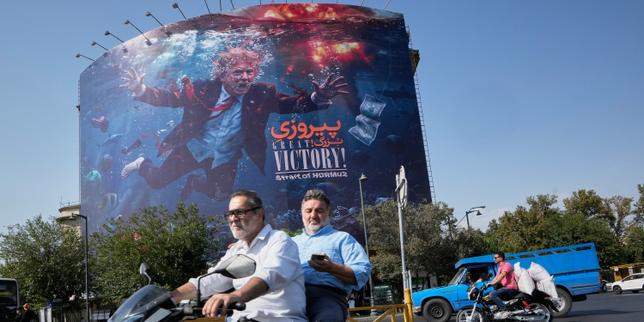
Downplaying major foreign entanglements right before mid-term elections is a classic political move. You want to project absolute control. You want voters to feel secure. Yet, the friction in the Strait of Hormuz tells a different story. Oil tankers get clipped, drones get swatted out of the sky, and economic pressure campaigns keep ramping up.
The Political Calculus Behind the Rhetoric
Why downplay the severity? Simple optics. Midterm elections are looming, and inflation-weary voters don't want to hear about endless foreign quagmires. When JD Vance hesitated to use the strict label of "war", it signaled a coordinated administration talking point. Labeling it a minor conflict helps keep public anxiety low.
Trump wants to frame US actions as surgical and contained. He points to degraded military capabilities on the opposing side and insists that Washington holds all the cards. But you have to look past the podium statements.
What the Ground Reality Actually Looks Like
Téhéran isn't just rolling over. Regional proxies remain active, shipping lanes face persistent threats, and global markets react violently to every escalation near key oil chokepoints. Treasury officials keep tightening sanctions, and European allies scramble to manage the fallout.
Calling this a trifle ignores the staggering financial and strategic costs piling up behind the scenes. Munitions run low, defense spending shifts into high gear, and the risk of miscalculation grows with every exchanged salvo.
You cannot simply wish away a confrontation of this scale with casual dismissal. The administration is betting that voters will buy the narrative of effortless dominance. Whether that gamble pays off depends entirely on how long the Strait of Hormuz stays volatile. Watch the oil prices, watch the shipping insurance rates, and ignore the political spin.