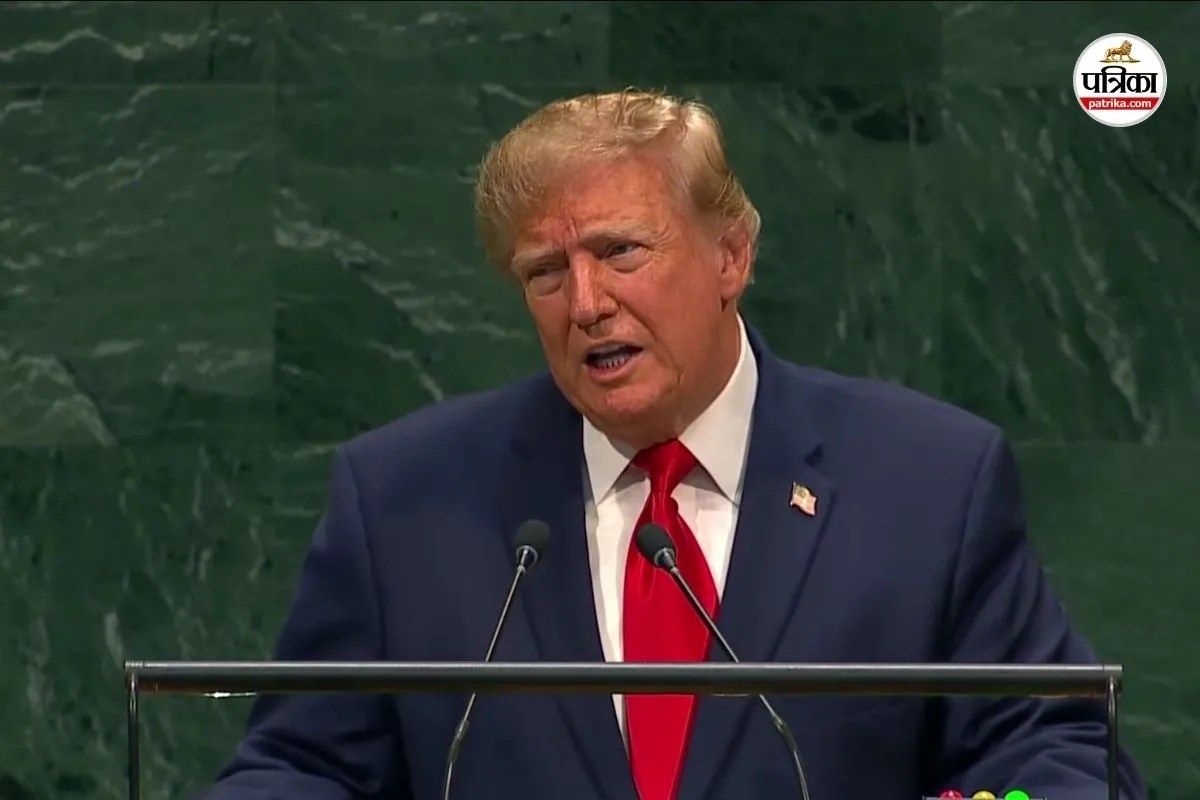
The rhetoric from Washington regarding Tehran has once again hardened into an unmistakable ultimatum. Donald Trump has signaled that his administration will force a definitive reckoning with Iran, framing the diplomatic and strategic deadlock around a binary choice between an easy path and a hard path. For decades, foreign policy establishments have managed the Iranian dossier through managed friction, economic sanctions, and localized containment. That incremental playbook is now facing an expiration date.
To understand the weight of this declaration, one must look past the bombast and examine the underlying mechanics of modern statecraft. When a returning administration frames a foreign policy crisis in terms of absolute outcomes, it usually signals an exhaustion of traditional diplomatic channels. The central question is no longer whether Washington and Tehran can find a negotiated middle ground. The real issue is the specific cost threshold that both capitals are willing to endure before structural changes take place in the Middle East.
The Anatomy Of Pressure
Economic coercion has been the primary instrument of American strategy for years. The architecture of maximum pressure relies on cutting off financial lifelines, restricting oil exports, and isolating banking systems from global liquidity. Yet, state actors under severe duress adapt. Tehran has spent years refining methods of sanctions evasion, building parallel trade routes, and forging deeper economic and military ties with eastern partners.
When applied pressure fails to yield a change in foundational behavior, policymakers face a diminishing return on traditional measures. This dynamic explains why the discourse has shifted toward more abrupt outcomes. An easy path implies a negotiated capitulation or a fundamental restructuring of Tehran's regional posture and nuclear ambitions under extreme duress. A hard path points toward escalated confrontation, deeper kinetic friction, and severe disruption across vital trade corridors.
Regional Shockwaves And Strategic Realities
Any major escalation involving Iran reverberates far beyond its borders. The Strait of Hormuz remains a critical choke point for global energy supplies. Insurance rates spike, shipping lanes face heightened risk profiles, and regional allies recalibrate their own security postures. Gulf states have spent recent years pursuing diplomatic detentes precisely because they recognize the collateral damage of a high-intensity conflict on their soil.
At the same time, regional proxies funded and supported by Tehran form an asymmetric network designed to deter direct attacks. This deterrence architecture complicates any simple calculation of military superiority. Striking formal military infrastructure is one thing; dismantling a decentralized network of ideological allies embedded in urban centers is entirely different. Analysts often underestimate the capacity of state actors to absorb punishment while continuing asymmetric operations through proxy channels.
The Domestic Calculus In Tehran
Internal pressures inside Iran add another layer of unpredictability. Economic mismanagement, severe inflation, and social discontent create constant friction for the ruling establishment. Leadership in Tehran views external pressure through a survivalist lens. Concessions under direct duress are frequently interpreted by hardline factions as a sign of weakness that could invite further destabilization.
Consequently, external ultimatums often produce a hardening of internal resolve rather than the desired moderation. When leaders believe their physical survival is tied to defiance, diplomatic off-ramps become exceedingly narrow. This creates a dangerous paradox where the harder Washington pushes for a definitive resolution, the more deeply entrenched the ruling apparatus becomes.
The Limits Of Ultimate Leverage
History suggests that absolute ultimatums in complex geopolitical theaters rarely unfold according to a linear script. Deterrence relies on credibility, and credibility requires a willingness to follow through on stated threats. However, perpetual escalation carries catastrophic economic and human costs that no major power can entirely insulate itself from.
The coming months will test whether a coercive posture can force a structural break in a decades-old impasse, or if it will simply drive the two nations deeper into a cycle of friction with fewer diplomatic guards left intact. The margin for error is shrinking rapidly, and the choices made in the coming cycle will define the security architecture of the region for a generation.


