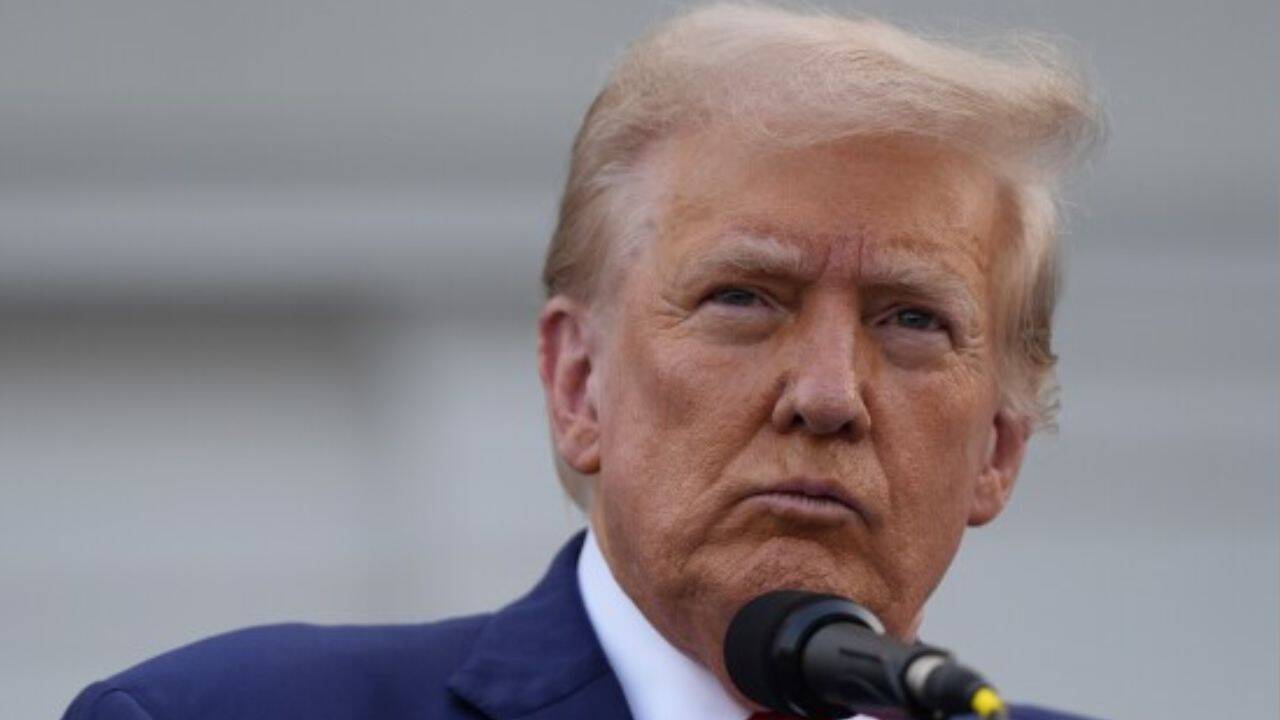
When more than thirty community water systems across Minnesota suffered coordinated cyber disruptions, initial security briefings pointed straight toward Tehran. President Donald Trump heard those reports and immediately rejected them. Speaking at a Cabinet meeting at Camp David, he bypassed foreign threat assessments entirely and pointed the finger at home. He blamed the state's leadership and labeled Governor Tim Walz as grossly incompetent.
This clash exposes a sharp divide between federal intelligence assessments and political rhetoric. It also highlights how routine infrastructure vulnerabilities quickly transform into partisan warfare. Let's look at what actually happened during the breach, what federal investigators are saying, and why the political fallout is escalating so fast.
Inside the Minnesota Water System Breaches
The disruptions hit local utilities hard between Sunday and Monday. Operational technology at more than thirty community water systems across Minnesota faced digital intrusions. Attackers targeted programmable logic controllers, which are the computerized units that handle daily monitoring and treatment processes.
Cities like Plymouth, South St. Paul, and Braham experienced sudden outages or forced shifts to manual control. Operators had to step in physically to keep plants running.
"There is no evidence of ongoing disruption to drinking water services, and local health authorities confirmed the water supply remains completely safe for public consumption."
Even though the immediate danger passed quickly, the scale of the intrusion rattled state officials. Minnesota IT Services scrambled to contain the threat alongside local utility operators. But keeping the water flowing wasn't the only challenge. The public relations battle began almost immediately after the first logs were analyzed.
The Intelligence Clash Over Iranian Hackers
Federal agencies, including the FBI and the Cybersecurity and Infrastructure Security Agency, spent weeks warning that internet-connected industrial controls were sitting ducks. Just days prior to the incident, authorities issued specific alerts noting that hackers linked to Iran were actively targeting water and wastewater facilities across the United States.
Preliminary assessments shared by intelligence officials suggested that the Minnesota intrusion shared distinct markers with known Iranian cyber sabotage campaigns. At least seven states reported similar probing activities against municipal water infrastructure around the same time.
Trump dismissed the connection out of hand. "Iran should be so lucky," he told reporters, arguing that Tehran has far bigger geopolitical crises to manage than a localized municipal network in the Midwest. Instead, he doubled down on domestic criticism. He claimed the state administration's poor oversight left the door wide open for failure.
Governor Walz Fires Back
Governor Tim Walz didn't let the remarks sit unanswered. Taking to social media, Walz accused the president of ignoring intelligence briefings and purposefully obfuscating the real scope of a multi-state cyber campaign.
"Trump knows exactly who is responsible for this attack, and knows that other states were hit too," Walz posted online. He framed the incident as a modern warfare test. He also took direct aim at federal staffing reductions, arguing that recent trims to cybersecurity agencies left critical domestic networks exposed.
This friction is part of a much longer political feud. Relations between the White House and Minnesota's statehouse soured significantly during the 2024 election cycle when Walz joined the opposing presidential ticket. Subsequent clashes over federal immigration enforcement and state-administered social services programs pushed tensions even higher.
Fixing Local Infrastructure Vulnerabilities
Blame aside, municipal networks face a massive security hurdle. Many small towns use industrial control equipment that remains hooked up to the public internet by default. Often, these systems rely on factory-default passwords or weak credentials that take hackers minutes to bypass.
Securing these networks requires practical, unglamorous upgrades. Local utilities must isolate operational technology behind strict firewalls. They need to disable remote internet accessibility unless multi-factor authentication is enforced. Waiting for federal mandates or getting caught up in political finger-pointing leaves municipal water supplies vulnerable to the next automated scan.
The investigation into the intrusions remains active. Whether the origin tracks back to foreign state-sponsored actors or opportunistic exploiters, municipal leaders must audit their digital defenses immediately.