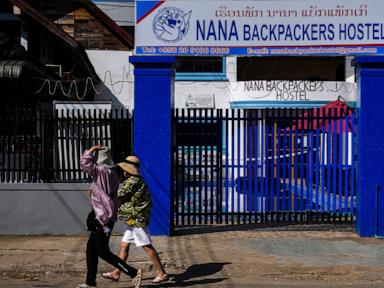
The families of the six young tourists killed by methanol-laced alcohol in Vang Vieng are facing a devastating legal reality. Authorities in Laos are expected to close their investigation with charges so minor they amount to a judicial insult. Those responsible for the lethal drinks face as little as a single year in prison and a trivial fine of roughly $1,600. For the parents of nineteen-year-old Australian victims Bianca Jones and Holly Bowles, this is not justice. It is an official declaration that their daughters' lives were worth next to nothing to the state.
This is the grim conclusion of a tragedy that exposed the rotting core of a poorly regulated tourist hub.
A Fatal Shot of Cheap Poison
In mid-November 2024, the town of Vang Vieng was packed with international backpackers seeking cheap adventure and even cheaper alcohol. At the Nana Backpacker Hostel, free shots of local spirits were handed out to guests as a routine hospitality gesture. It was a standard marketing gimmick. But the liquid in those glasses was laced with methanol, a highly toxic industrial solvent used in antifreeze and photocopy fluids.
Methanol is cheap. Dishonest bar owners and bootleg distillers across Southeast Asia routinely use it to stretch their profits, substituting it for highly taxed ethanol. It tastes the same. It looks the same.
The human body, however, knows the difference.
Once ingested, the liver processes methanol into formic acid, a destructive toxin that starves cells of oxygen. The optic nerve is the first to go, causing sudden and permanent blindness. Then comes the brain swelling, organ failure, and agonizing death.
Bianca Jones and Holly Bowles fell critically ill in their hostel room after a night out. Because methanol symptoms mimic a severe hangover, diagnosis is almost always delayed. By the time they were evacuated across the border to specialized hospitals in Thailand, the damage was irreversible. They died of massive brain swelling. Alongside them, four other travelers—an American, a British citizen, and two Danish nationals—lost their lives in the same poisoning event.
The Botched Inquiry and the One Year Farce
The legal fallout has been characterized by state silence and systemic foot-dragging. For nearly two years, the Lao government has kept the families of the victims in the dark, failing to contact them directly or provide transparent updates on the investigation. Behind closed doors, Lao police shut down an illegal manufacturing facility outside the capital city of Vientiane, yet the government has resisted formally linking that factory to the Vang Vieng mass poisoning.
The expected charges against the hostel operators and liquor suppliers are a slap in the face to international observers. Instead of corporate manslaughter or reckless endangerment resulting in death, the accused face minor administrative and business violation charges.
Australia’s Foreign Minister Penny Wong expressed deep frustration and bitter disappointment with the development. The diplomatic pushback has been swift, with seasoned diplomats sent to Laos to register formal complaints. But diplomacy has little leverage over a closed judicial system that prioritizes protecting its tourism brand over public accountability.
The parents are no longer staying quiet. Mark Jones, Bianca’s father, publicly voiced his disgust, pointing out that the local authorities did almost nothing to secure critical crime scene evidence in the immediate aftermath of the deaths. The hostel stayed open for days, evidence was likely washed away, and the actual source of the poison remains shielded behind bureaucratic red tape.
A Warning to International Backpackers
The anger of the grieving families has culminated in an extraordinary public plea. They want tourists to boycott Laos entirely.
"Do not go to Laos," Mark Jones warned, declaring it a country that simply does not value human life.
This boycott call strikes at the heart of the Lao economy. Laos is one of the poorest countries in Southeast Asia, heavily reliant on the steady influx of young, budget-conscious Western travelers who keep towns like Vang Vieng alive. If the backpacker trail dries up, the economic pain will be felt immediately.
Yet, without systemic reform, the danger remains. The lack of an international early warning surveillance system for methanol poisonings means that these tragedies will continue to occur in isolation, swept under the rug by local authorities eager to protect their tourism revenue.
The message from the Vang Vieng tragedy is clear. The cheap drinks offered at budget hostels come with a hidden, potentially lethal cost, and if the worst happens, the local legal system will offer no shield, no answers, and no real justice.
If you want to understand the raw pain of the families left behind by this judicial failure, watch this news report on the parents' reaction to the minor charges, which highlights how the expected penalties fail to reflect the loss of six young lives.