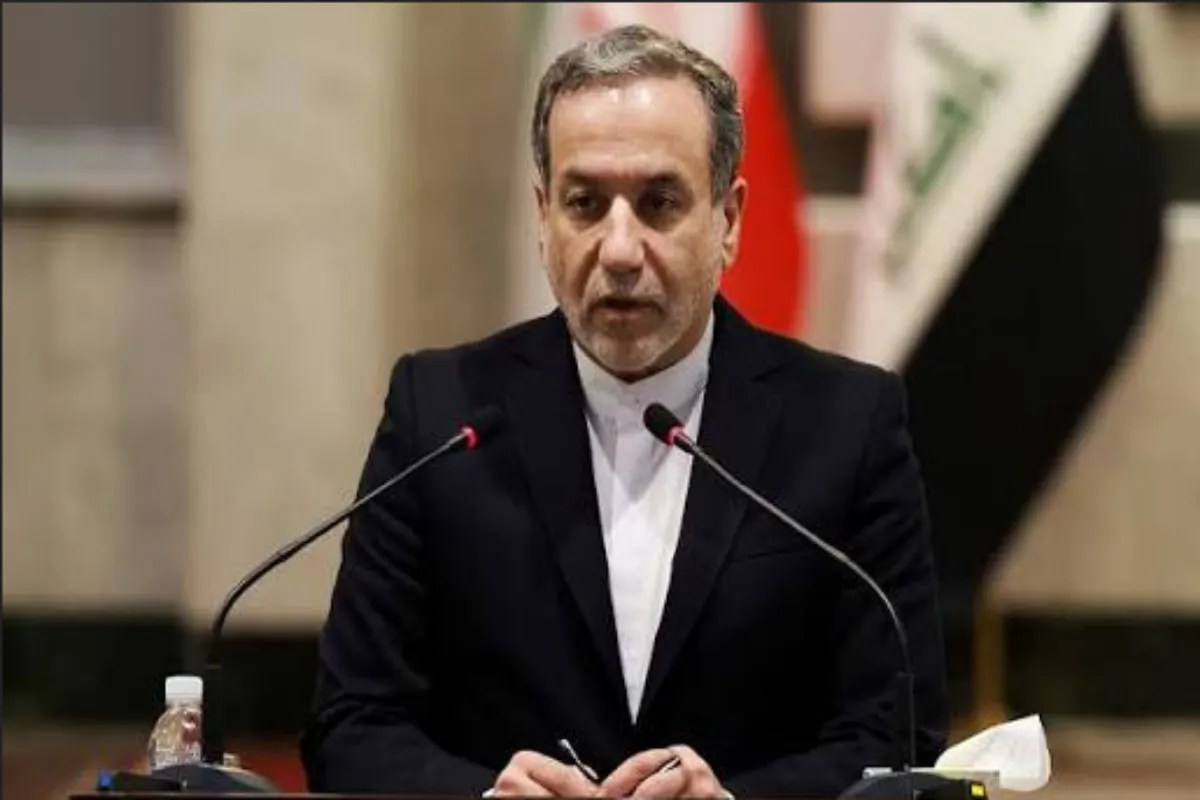
When Iranian officials pointedly reminded Emmanuel Macron of his 2018 pledge never to abandon the Joint Comprehensive Plan of Action (JCPOA), they were not merely engaging in routine political snark. They were highlighting a profound, systemic collapse of European diplomatic leverage in the Middle East. Tehran’s public rebuke of the French President reflects years of mounting frustration over Europe’s failure to shield the nuclear agreement from Washington’s unilateral sanction regime. What began as a unified international framework to prevent nuclear escalation has degenerated into a exchange of diplomatic broadsides, leaving Western powers with virtually no effective bargaining chips.
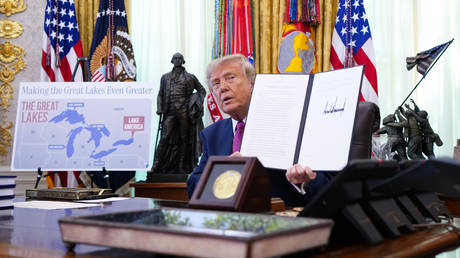
The friction between Paris and Tehran did not materialize overnight. In 2018, following the U.S. withdrawal from the JCPOA under the Trump administration, European leaders made bold promises. President Macron positioned France as the linchpin of European strategic autonomy, asserting that Europe would maintain its commitments under the nuclear deal regardless of decisions made in Washington. European powers attempted to construct financial mechanisms like INSTEX to bypass American banking restrictions and facilitate non-dollar trade with Iran.
That effort failed. Commercial entities across Europe faced a blunt choice: trade with Iran’s medium-sized domestic market or maintain access to the massive U.S. financial system and consumer base. Unsurprisingly, European corporations fled the Iranian market en masse, abandoning billions of dollars in prospective aerospace, energy, and automotive contracts. From Tehran’s vantage point, European promises of economic relief proved entirely empty, reduced to symbolic statements while sanctions crippled the domestic economy.
Iran’s decision to call out France specifically carries deliberate strategic weight. Paris historically maintained a distinct approach to Middle Eastern diplomacy, often seeking to balance firm security commitments to Gulf partners with open lines of communication to Tehran. Yet as Iran accelerated its uranium enrichment levels past former treaty bounds and limited international monitoring capabilities, France shifted toward a noticeably harder stance.
This pivot created deep resentment within Iran’s foreign ministry. Iranian diplomats view European demands for broader security concessions—covering ballistic missile development and regional proxy networks—as a bad-faith revision of the original 2018 terms. Tehran’s argument is straightforward: why negotiate additional constraints when the original economic incentives were never delivered?
European policymakers, conversely, argue that Iran’s ongoing enrichment activities and reduced cooperation with international inspectors stripped the JCPOA of its technical value. They view Iran’s escalation not as a reaction to economic pressure, but as a deliberate effort to achieve threshold nuclear status while hiding behind diplomatic pretexts.
This impasse exposes the fundamental flaw of post-2018 European diplomacy. Without the ability to deliver economic normalization or impose credible non-military pressure independent of the U.S., European capitals have found themselves reduced to observers in a conflict they spent over a decade trying to arbitrate. Every attempt to reactivate negotiations runs into the same structural wall: Iran demands verifiable economic guarantees that Europe cannot provide without American approval, while the West demands immediate nuclear rollbacks that Iran refuses to grant without economic relief.
The public sparring between Tehran and Paris marks the end of an era where European mediation could bridge the gap between Washington and Iran. As traditional diplomatic channels decay, the margin for error narrows significantly, leaving the region exposed to heightened miscalculation with fewer mechanisms left to reverse it.