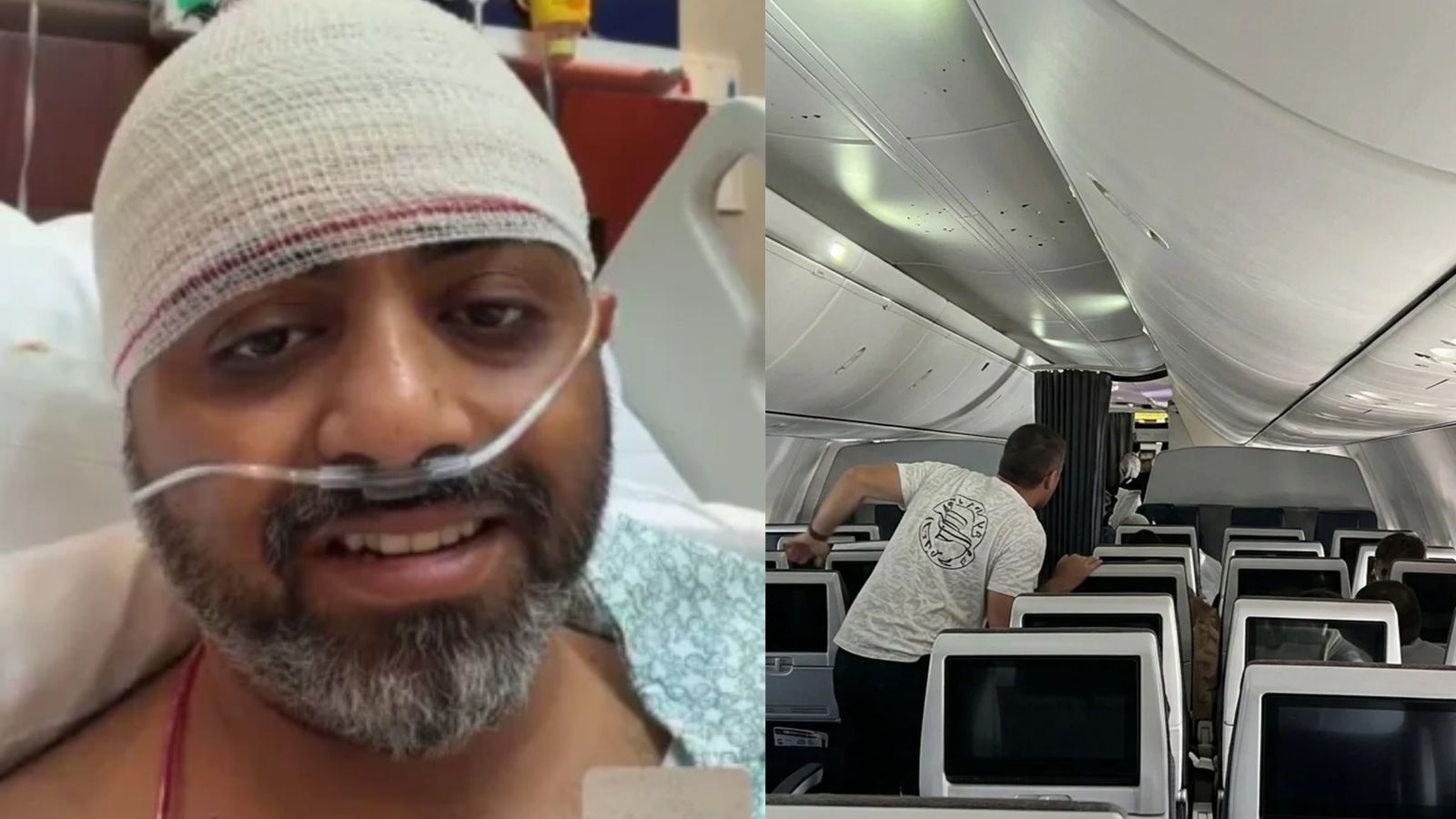
You never expect a routine commercial flight to turn into a desperate fight for survival. But on September 30, aboard a flydubai journey from Dubai to Tel Aviv, passengers and crew faced an absolute nightmare when a mid-air cockpit attack left Captain Smit Machchhar critically injured. Amid the absolute chaos, one passenger stepped forward with the precise medical composure needed to keep the bleeding pilot alive: Dr. Shota Musaev, an Israeli dentist who was heading home from a trip to China with his wife.
The Moments After the Cockpit Breach
When screams pierced the cabin, Musaev didn't hesitate. Initially thinking it was severe turbulence, he quickly realized the terrifying reality once shouts for a doctor echoed through the aisle. Pushing forward into the cockpit, he found Captain Machchhar lying on the floor, suffering from severe head and hand wounds after an altercation involving the co-pilot.
The pilot was losing blood fast. Without surgical tools or standard hospital equipment, Musaev had to improvise instantly. He grabbed spare T-shirts to apply direct pressure to the deep lacerations, calling on the cabin crew to bring as many ice packets as possible.
Managing Trauma in a Confined Space
Treating a severe head injury in the cramped confines of a commercial flight deck is a masterclass in high-pressure emergency response. Musaev faced a constant balancing act. Every time he lifted the makeshift cloth barrier to inspect the wounds, the bleeding surged.
He kept steady, moderate pressure combined with cold packs to slow the hemorrhaging without crushing delicate tissue. Cabin crew members wanted to administer standard pain medication, but Musaev vetoed the idea. Moving the captain or introducing certain drugs could trigger dangerous secondary bleeding or drop his blood pressure further.
Instead, Musaev focused on keeping the captain conscious and stable during the agonizing 45-minute stretch before the Boeing 737 MAX 8 could execute an emergency landing in Tabuk, Saudi Arabia.
Keeping Hope Alive at High Altitudes
Physical trauma care at high altitude requires more than just stopping blood loss. Psychological stabilization is just as vital when a patient is slipping into shock. Captain Machchhar drifted in and out of lucidity, at one point pleading, "Help me, please. I don't want to die here."
Musaev stayed right beside him on the floor, locking eyes and keeping him talking. He asked about the captain's children, their names, and his family, using conversational anchors to drag his awareness back from the brink.
When the captain's vital signs dipped and his pulse dangerously weakened, Musaev propped up his feet to restore blood flow. When his lips turned blue from oxygen deprivation and blood loss, Musaev urged the flight crew to push for an immediate descent, knowing time had nearly run out.
Aftermath and Recovery
The flight landed safely in Saudi Arabia, where ground medical teams took over. Captain Machchhar survived the ordeal, later receiving high honors from leaders in the UAE for his immense courage during the cockpit breach.
Dr. Musaev brushes off suggestions that he did anything extraordinary, emphasizing that teamwork among the passengers and crew saved the aircraft. Both men walked away from September 30 with a profound second chance at life, proving that everyday professionals can turn into emergency lifelines when disaster strikes without warning.
The video above features firsthand accounts detailing the mid-air medical response on Flight FZ1073.