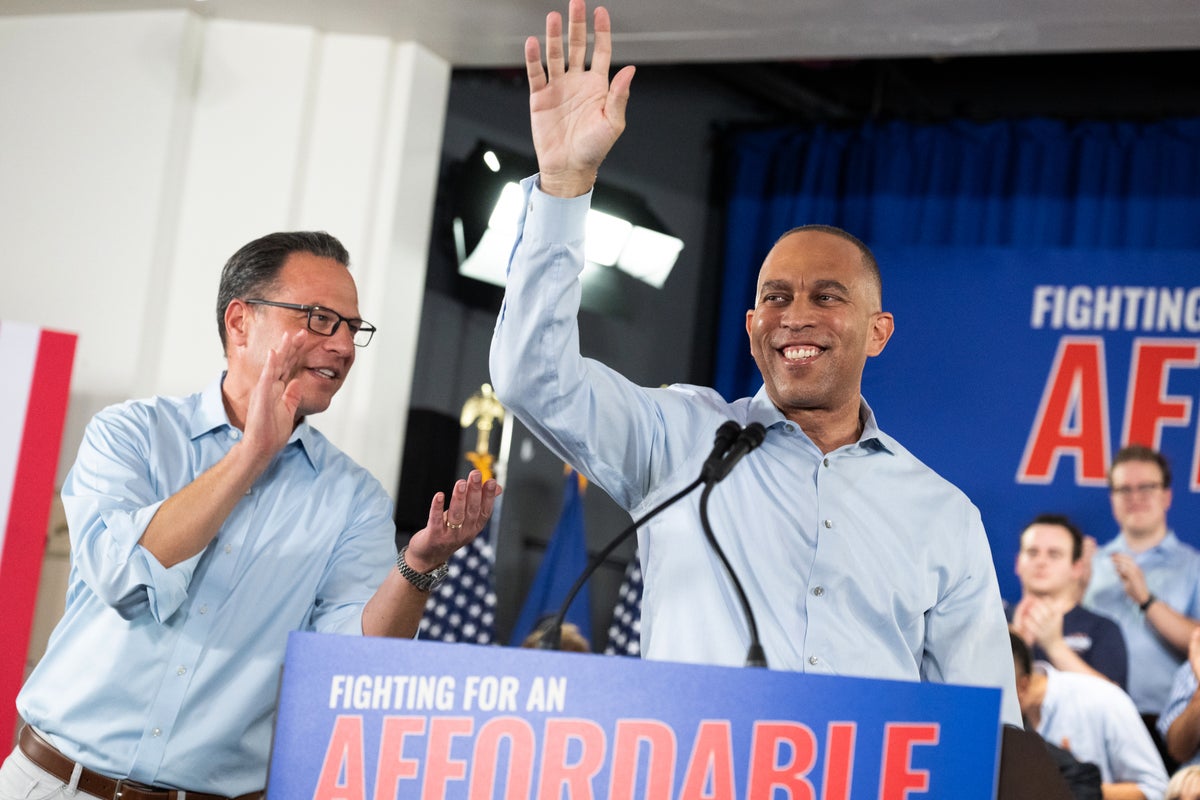
American politics is changing fast. A growing wave of progressive and democratic socialist candidates is shaking up primaries across the country. They are challenging long-held assumptions about how the Democratic Party operates. Yet, some pundits act as if this internal friction will derail the leadership path of House Democratic Leader Hakeem Jeffries. It will not.
The math simply does not support a successful floor rebellion against him. If you look past the noisy headlines about ideological battles, the structural realities of the House caucus tell a very different story.
The Reality of House Math
People love a good political drama. They want to imagine a chaotic floor fight where hardline insurgents hold the gavel hostage. We saw Republicans struggle with this exact headache recently. But the Democratic caucus functions differently.
Hakeem Jeffries has spent years building deep operational trust across mainstream liberals, the Congressional Black Caucus, and moderate frontline members. Even as democratic socialists claim fresh ground in local primaries, their actual numbers inside a potential House majority remain a distinct faction, not a governing majority.
- The Caucus Spread: The vast center-left and moderate anchors of the party still control the baseline votes needed to secure the speakership.
- The Leadership Grip: Jeffries keeps a remarkably tight ship, prioritizing party unity over ideological purity tests.
- The Procedural Wall: Unlike the razor-thin margins that plagued recent Republican speakers, a unified Democratic block backing their chosen leader leaves little room for outside leverage.
Ideology Versus Pragmatism
Jeffries has openly drawn a line in the sand regarding democratic socialism. He makes a clear distinction between traditional Black progressivism, which focuses heavily on rooting out systemic racial inequalities, and the class-first framework often pushed by groups like the Democratic Socialists of America.
This friction creates friction on cable news networks. It drives fundraising emails. But inside the Capitol, legislative work relies on counting votes.
When you examine how bills pass, ideological wings of a party routinely have to compromise. Insurgents can push the conversation leftward on healthcare, climate, or economic policy, but they cannot invent votes out of thin air. When the clerk calls the roll for speaker, the institutional weight of the party always bends toward the person who can actually herd the cats across diverse districts. Jeffries does that job effectively.
What Happens Next on Capitol Hill
Expect the tension between the progressive wing and the establishment to persist. Primaries will grow louder. Policy debates over corporate donations and economic justice will dominate internal caucuses. That is a healthy sign of a party fighting for its identity.
Do not mistake that internal debate for a roadblock to power. Hakeem Jeffries is positioned precisely where he wants to be. The shifting dynamics on the ground might alter the platform, but they will not change who wields the gavel.
Hakeem Jeffries says I don't support the Democratic Socialists of America agenda
This video provides an exclusive look at how Hakeem Jeffries addresses the growing influence of democratic socialists and navigates intra-party dynamics.