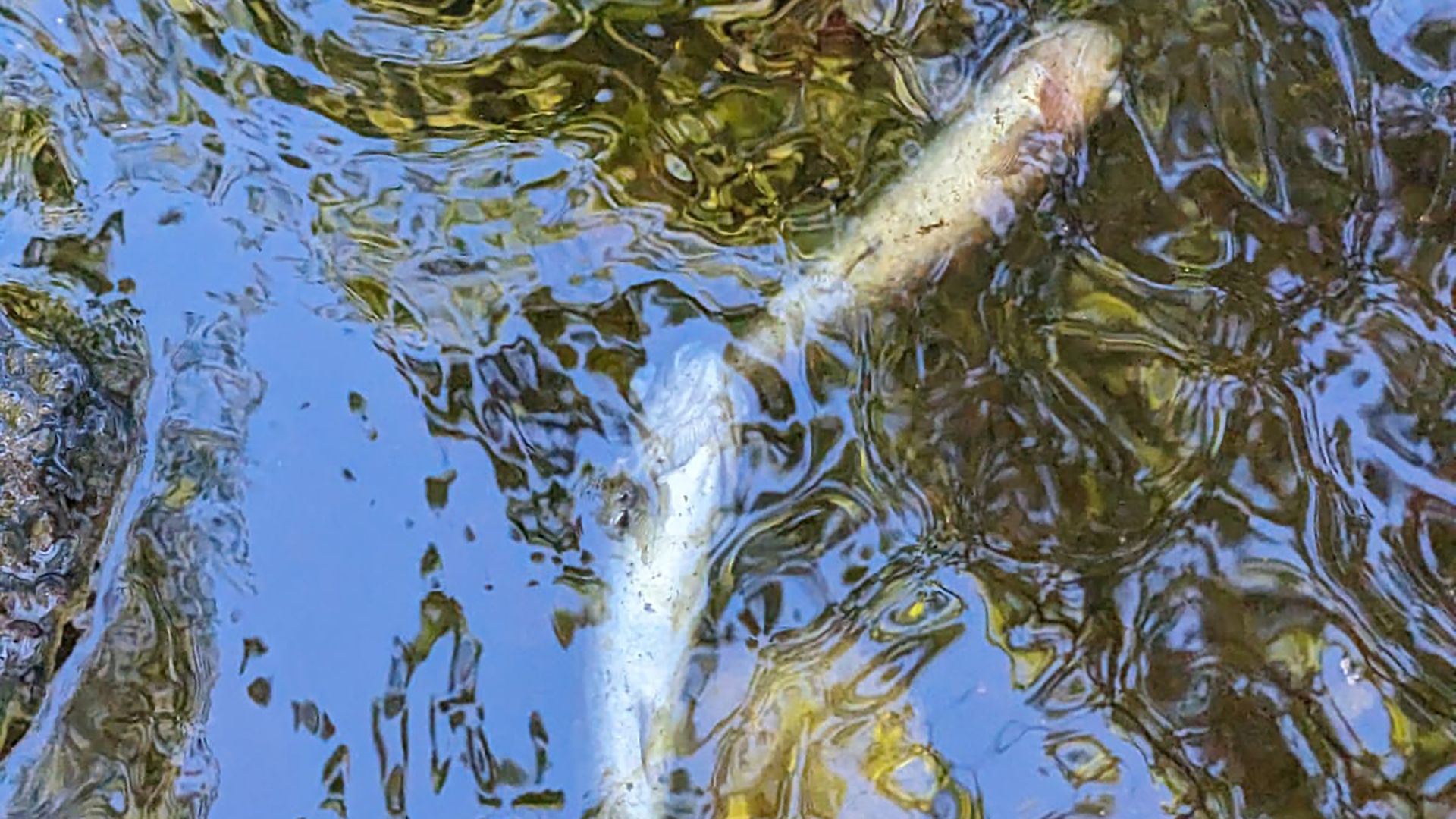
Hundreds of silver-bellied fish float eyes-up in the reeds while eels, usually the hardiest survivors of the mud, lie stiff across the riverbanks. This isn't a scene from a distant ecological disaster; it is the immediate, recurring reality of our local river systems. When a mass die-off occurs, the official response is almost always a slow-motion exercise in bureaucratic box-ticking. We see the yellow tape, we hear the word "investigation," and we wait for a cause that is often buried in a technical report months after the water has cleared. The brutal truth is that these incidents are rarely "accidents." They are the predictable results of a crumbling infrastructure and a regulatory system that lacks the teeth to bite back.
The immediate cause of these deaths is usually a sudden, catastrophic drop in dissolved oxygen or a spike in toxic chemicals. But focusing only on the chemical trigger misses the systemic rot. We are currently treating our rivers as open-air sewers and industrial runoff channels, then acting surprised when the biology within them collapses.
The Anatomy of a River Kill
To understand why a river dies, you have to look at the chemistry of the water column. Fish don't just "drown" in pollutants; they suffocate or suffer systemic organ failure. In many recent cases, the culprit is untreated sewage or agricultural runoff—specifically nitrates and phosphates. When these nutrients enter the water in high volumes, they trigger an explosion of algal growth. When that algae dies and decomposes, the process strips every molecule of oxygen from the water.
Eels are often the canary in the coal mine. They are incredibly resilient creatures, capable of surviving in conditions that would kill a trout in minutes. When you start seeing dead eels, the water isn't just "polluted." It is biologically dead.
The mechanism of these kills often follows a heavy rain event. This is the great irony of river health. Rain should flush a river and bring life. Instead, in our current setup, rain acts as a mechanical broom. It sweeps the overflows from over-burdened treatment plants and the chemical-heavy topsoil from industrial farms directly into the flow. By the time the environmental officers arrive with their testing kits, the "plug" of toxic water has often already moved downstream, leaving only the carcasses behind.
The Myth of the Hardworking Regulator
We are told that agencies are "monitoring the situation." In reality, monitoring is frequently passive. Most river sensors are spaced miles apart, and many do not track the specific industrial chemicals that cause the most damage. This creates a massive data gap. If a company or a farm leaks a restricted substance at 2:00 AM on a Saturday, the evidence is gone by Monday morning.
Furthermore, the fines for these incidents are often viewed by large-scale polluters as a simple cost of doing business. If a massive spill results in a fine that represents less than one percent of a company's quarterly profit, there is no financial incentive to upgrade failing equipment. We have created a system where it is cheaper to kill a river and pay the penalty than it is to prevent the spill in the first place.
The investigation process itself is shielded by layers of legal "ongoing" status. This prevents the public from knowing which specific entities are under scrutiny. This lack of transparency protects the polluter while the ecosystem suffers. The "suspected pollution" headline is a shield; it suggests a mystery where there is usually a clear, traceable trail of negligence.
Why the Birds are Next
When the fish die, the impact crawls up the food chain with terrifying speed. Herons, kingfishers, and otters depend on these waterways for survival. A mass kill doesn't just remove a single generation of fish; it guts the food supply for the entire local predator population.
We are seeing a trend where birds are found dead or malnourished near these "incident" zones. They aren't necessarily poisoned by the water itself, but by the bioaccumulation of toxins in the few surviving prey items they manage to catch. Or, more simply, they starve. An apex predator cannot pivot its entire biological strategy because a local factory had a pipe burst. They stay, they hunt, and they eventually disappear.
This cascading failure is what journalists and analysts often overlook. We count the dead fish because they are easy to see. We don't count the nests that go empty the following spring because the parents couldn't find enough protein to sustain their young.
The False Narrative of Recovery
Industry spokespeople often talk about how rivers "bounce back" after a spill. This is a half-truth designed to lower the temperature of public anger. While the water clarity might return and some hardy species might migrate back into the area, the genetic diversity and the delicate balance of the riverbed take decades to recover.
Think of a river as a complex biological machine. If you smash the gears, you can't just pour in some new oil and expect it to run. The invertebrates—the insects and larvae that live in the silt—are often wiped out entirely. Without them, the foundation of the river's economy is gone. Restocking a river with farm-raised fish after a spill is a cosmetic fix. It looks good for the cameras, but those fish often die because the underlying food web hasn't been restored.
The Infrastructure Crisis Hidden in Plain Sight
Much of our wastewater infrastructure dates back to an era when the population was a fraction of what it is today. These systems were never designed to handle the volume of "forever chemicals," microplastics, and high-intensity agricultural waste we produce now.
The Urban Overflow Problem
In many cities, storm drains and sewage pipes are linked. When it rains too hard, the system is designed to overflow into rivers to prevent sewage from backing up into people's homes. This "Combined Sewer Overflow" (CSO) is a legal loophole that allows millions of liters of raw waste to enter our waterways. It isn't a failure of the system; it is how the system was intentionally built.
The Agricultural Blind Spot
While water companies get most of the blame, industrial agriculture is a silent killer. Large-scale slurry tanks and chemical storage are often situated on floodplains. A single structural failure in a lagoon can send a wave of concentrated ammonia into a stream, killing everything for ten miles. Unlike water companies, farms are rarely subjected to the same level of public reporting or data transparency.
Moving Toward Real Accountability
Fixing this doesn't require "awareness" or "conversations." It requires a fundamental shift in how we value natural assets. We need to move toward a model of strict liability. If a spill originates from a specific site, that entity should be responsible for the total cost of ecological restoration, not just a flat-fee fine.
Real-time monitoring is the only way to catch polluters in the act. We have the technology to install low-cost, high-frequency sensors every few kilometers along major waterways. These sensors can upload data to a public blockchain or a transparent database that cannot be tampered with or hidden by "ongoing investigations."
We also need to decouple the regulators from the political cycles. When environmental protection budgets are the first to be cut during an economic downturn, the polluters win. A river doesn't care about the fiscal year.
The next time you see a headline about "suspected pollution," look past the dead fish. Look at the aging pipes, the overflowing slurry tanks, and the toothless legislation that allowed it to happen. The river isn't just sick; it is being systematically dismantled.
Stop waiting for the water to clear and start demanding to know exactly who turned it black. The evidence is floating on the surface for anyone brave enough to count it.
Direct your local representatives to support the mandatory installation of independent, third-party water quality sensors at every industrial and municipal discharge point.