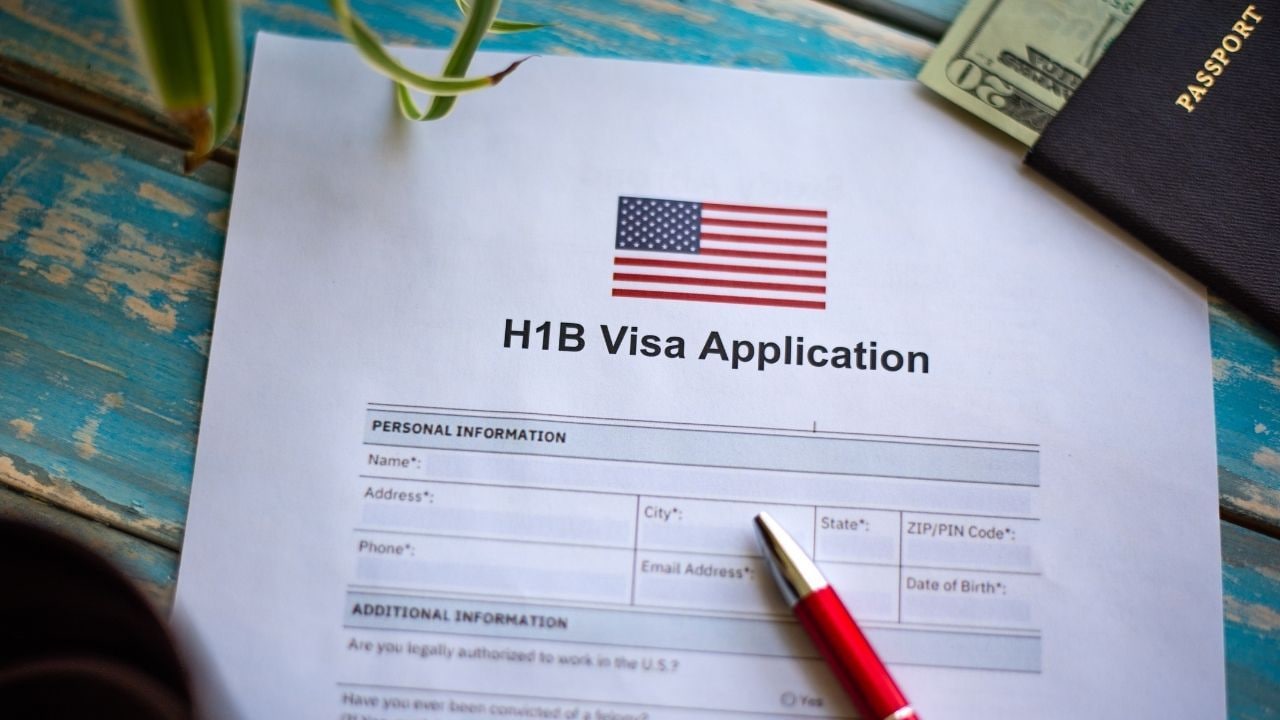
U.S. Citizenship and Immigration Services (USCIS) has officially closed the books on the H-1B cap selection process for Fiscal Year 2027, but the results represent far more than a simple administrative milestone. By hitting the 85,000-visa limit on March 31, 2026, the agency has confirmed the successful first run of a radical new "weighted" selection system. This shift marks the end of the egalitarian random lottery that defined American corporate hiring for decades. Under the new rules, the chances of securing a high-skilled worker are no longer left to chance; they are now increasingly determined by the size of the paycheck an employer is willing to write.
For companies that missed the cut, the notification period ended this morning, leaving thousands of "Submitted" statuses in the portal that will likely never convert to "Selected."
The End of Equal Opportunity for Startups
For years, a small tech startup in Austin had the same statistical chance of landing a software engineer as a trillion-dollar conglomerate in Mountain View. That era is over. The FY 2027 cycle is the first to implement a tiered entry system based on the Department of Labor’s four-level wage scale.
The mechanics are cold and mathematical. A candidate offered a Level I "entry-level" wage receives exactly one entry in the lottery. A candidate at Level IV—the highest experience and salary tier—receives four entries. In practice, this creates a four-fold advantage for those who can afford to pay top-of-market rates. While the government argues this prioritizes the "best and brightest," it effectively creates a barrier for early-stage companies and non-profits that rely on junior talent to grow.
The immediate casualty of this policy is the "entry-level" foreign professional. Under the old random draw, they were the backbone of the H-1B program. Now, they are a statistical afterthought. If a company isn't prepared to offer a Level III or IV salary, they are essentially entering a race where their competitors have been given a massive head start.
The One Hundred Thousand Dollar Entry Fee
Beyond the lottery weighting, a more shadow-shattering obstacle has emerged: the $100,000 payment requirement for certain "consular processing" cases. Born from a September 2025 presidential proclamation, this fee applies to H-1B petitions for workers currently residing outside the United States.
Consider the math for a mid-sized firm looking to hire a specialist from Bangalore or Berlin. Between the $215 registration fee, legal costs, standard filing fees, and now this six-figure "restriction" payment, the cost of a single visa can exceed the worker’s annual salary before they even set foot on American soil. This isn't a fee; it's a deterrent. It is a clear signal from the current administration that "bringing talent from abroad" should be the last resort, reserved only for those with bottomless balance sheets.
The $100,000 surcharge does not apply to students already in the U.S. on F-1 visas or workers transferring from other domestic firms. This has triggered a hyper-competitive "domestic-only" talent war. Employers are now fighting over the same pool of international graduates already within U.S. borders to avoid the crippling overseas fee, driving up local salaries and further squeezing smaller players out of the market.
Security Over Speed
A significant portion of the "denied" statuses appearing in employer portals this week isn't due to bad luck, but to a new "beneficiary-centric" validation system. USCIS now tracks applicants by passport number with zero tolerance for error. In previous years, the system was riddled with "duplicate" filings—fraudulent attempts by multiple shell companies to register the same individual multiple times to game the odds.
The FY 2027 data shows that the "fraud tax" has finally been collected. By tying every registration to a unique travel document, the agency has slashed the number of "gaming" entries. However, this precision comes with a sharp edge. A single typo in a passport number or a minor mismatch between the registration and the final I-129 petition now results in an instant, non-appealable rejection.
The Narrow Window for Success
For the "lucky" few who received selection notices, the clock is now ticking. The filing window opened today, April 1, 2026, and will remain open until June 30. There is no room for procrastination.
- Mandatory Form Update: USCIS will only accept the February 27, 2026 edition of Form I-129. Using an older version is an automatic ticket to the rejection pile.
- Wage Verification: Employers must provide concrete evidence that the salary offered matches the wage level selected during registration. If you claimed Level IV to get those four lottery entries, you must prove the salary and job duties actually justify that tier.
- The Second Round Ghost: While the "Submitted" status technically means a candidate could be picked in a second lottery, history suggests this is unlikely under the new weighted system. USCIS has already selected enough candidates to account for historical drop-off rates.
This system is no longer a lottery in the traditional sense of the word. It is a market-clearing mechanism. The U.S. government has decided that the "value" of a foreign worker is measured solely by their paycheck. For the tech industry, this means the era of the scrappy immigrant developer working for a modest salary at a promising startup is effectively dead.
The H-1B has become a luxury good. Only those willing to pay the premium—both to the employee and to the Treasury—will see their petitions approved. If you are an employer holding a selection notice today, understand that you aren't just filing a visa; you are participating in the most expensive and exclusive talent acquisition program in the world.
Submit the I-129 with the updated form, pay the fees, and double-check every digit of that passport number. In this new landscape, the government isn't looking for reasons to let people in; it’s looking for reasons to keep them out.