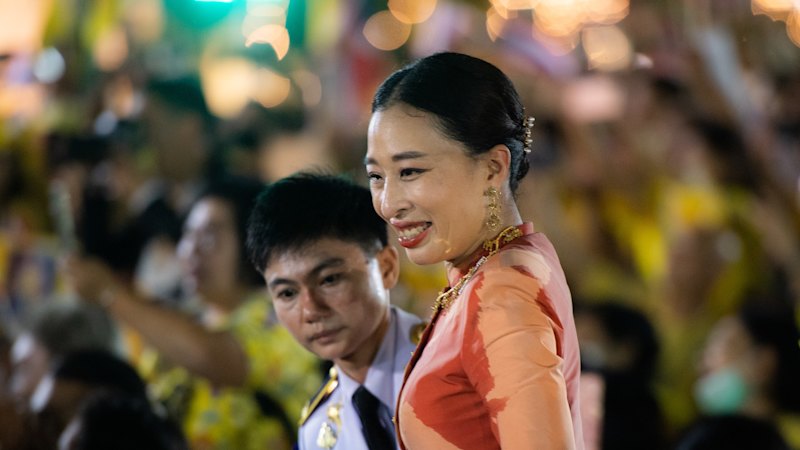
The sudden, tragic end to a years-long vigil has forced Thailand to confront its most guarded political vulnerability. On June 11, 2026, Princess Bajrakitiyabha Mahidol passed away at the age of 47, following more than three years in a coma. The Bureau of the Royal Household confirmed she died at King Chulalongkorn Memorial Hospital in Bangkok after a progressive decline caused by multiple organ infections.
For the Thai public, it's a moment of deep national grief. For political analysts, it's an absolute game-changer. Princess Bajrakitiyabha wasn't just another member of the Chakri dynasty. She was widely viewed as the most competent, highly educated, and capable candidate to stabilize the future of the Thai monarchy. Her passing leaves King Maha Vajiralongkorn, 73, without his most dependable anchor and throws the royal succession into unmapped territory.
The Lawyer Princess and Her Unique Legacy
You don't usually see senior royals holding doctoral degrees from Ivy League institutions, but Princess Bajrakitiyabha broke the mold. Known affectionately as Princess Bha, she earned a doctorate in law from Cornell University. She didn't just sit on honorary boards either. She worked as a public prosecutor in Thailand, served as the nation’s ambassador to Austria, and became a UNODC Goodwill Ambassador.
Her most significant impact was in penal reform. Thailand has historically suffered from incredibly high rates of female incarceration. Princess Bha initiated the Kamlangjai (Inspiration) project, focusing heavily on the rehabilitation of pregnant inmates and young mothers. She spearheaded the advocacy that led to the United Nations adopting the "Bangkok Rules" in 2010, establishing global standards for the treatment of women prisoners.
Her father clearly trusted her capability. In 2021, she was appointed chief of staff of the King's personal security command with the rank of general. Even while hospitalized, her position as deputy commander of the Royal Security Command was reaffirmed. She had the resume, the institutional backing, and the public affection. That combination is precisely why her absence creates such a massive void.
The Succession Dilemma Facing the Palace
The real problem facing Thailand right now is that there's no officially designated heir apparent. The 1924 Palace Law of Succession heavily favors male lineage, but a crucial 1974 constitutional amendment opened the door for a female to take the throne if no male heir is named. Many royalists quietly hoped Princess Bha would either become Queen Regnant or act as a powerful regent for her younger brother.
Now, look at the remaining options. It's a complicated, fractured family tree.
- Prince Dipangkorn Rasmijoti: The 21-year-old son from the King's third marriage is the presumptive heir. However, long-standing rumors regarding developmental delays raise persistent questions among observers about his ability to rule independently.
- The Exiled Sons: The King has four adult sons from his second marriage. They were stripped of their titles and banished from the kingdom back in 1996. While one son, Vacharaesorn Vivacharawongse, made highly publicized visits back to Thailand recently, he holds no official royal standing and was reportedly sent abroad again.
- Princess Sirivannavari: The King’s younger daughter is a prominent fashion designer, but she has explicitly indicated she has no interest in pursuing the throne.
This leaves the palace with a stark choice. Do they elevate Prince Dipangkorn and rely on a council of regents, or will the King exercise his absolute royal prerogative to alter tradition entirely? The uncertainty alone creates undercurrents of anxiety across Thai businesses and political factions.
The Code of Silence Around the Monarchy
If you're wondering why you don't see Thais openly debating these options on social media, look no further than Article 112 of the Thai Criminal Code. Thailand enforces some of the strictest lèse-majesté laws on Earth. Criticizing, defaming, or insulting the King, Queen, Heir-apparent, or Regent carries a prison sentence of up to 15 years per charge.
The law is interpreted so broadly that even objective speculation about who will take the throne next can land someone in prison. Constitutional court rulings have heavily penalized political parties attempting to reform this law. The resulting lack of transparency means the public can only watch formal announcements in the Royal Gazette to catch any signal of what the inner palace circle is planning.
Actionable Next Steps for Observers and Investors
The transition period following a major royal death in Thailand requires careful navigation, especially if you manage businesses or investments tied to the region.
- Monitor the Royal Gazette: This is the only official channel where real changes to the succession order or the appointment of a Crown Prince will be published. Ignore social media rumors.
- Expect Prolonged Mourning Protocols: Official periods of mourning can alter corporate event schedules, government operations, and entertainment landscapes across the country. Factor these sensitivities into your business timelines.
- Watch the Privy Council: With no clear heir, the advisory body of the King will play an outsized role in managing transitions behind closed doors. Pay attention to who holds influence within this council.
The loss of Princess Bajrakitiyabha closes a chapter on what could have been a modern, legally minded era for the Thai throne. Thailand must now navigate its path forward without its most accomplished diplomat.