Corporate media drama usually follows a predictable script. New owners step in, sweep out the old leadership, and install their own handpicked loyalists. So when David Ellison and Skydance prepared to take the reins of Paramount, everyone braced for a bloodbath at the top of CNN. Instead, Ellison did something unexpected. He locked in Mark Thompson.
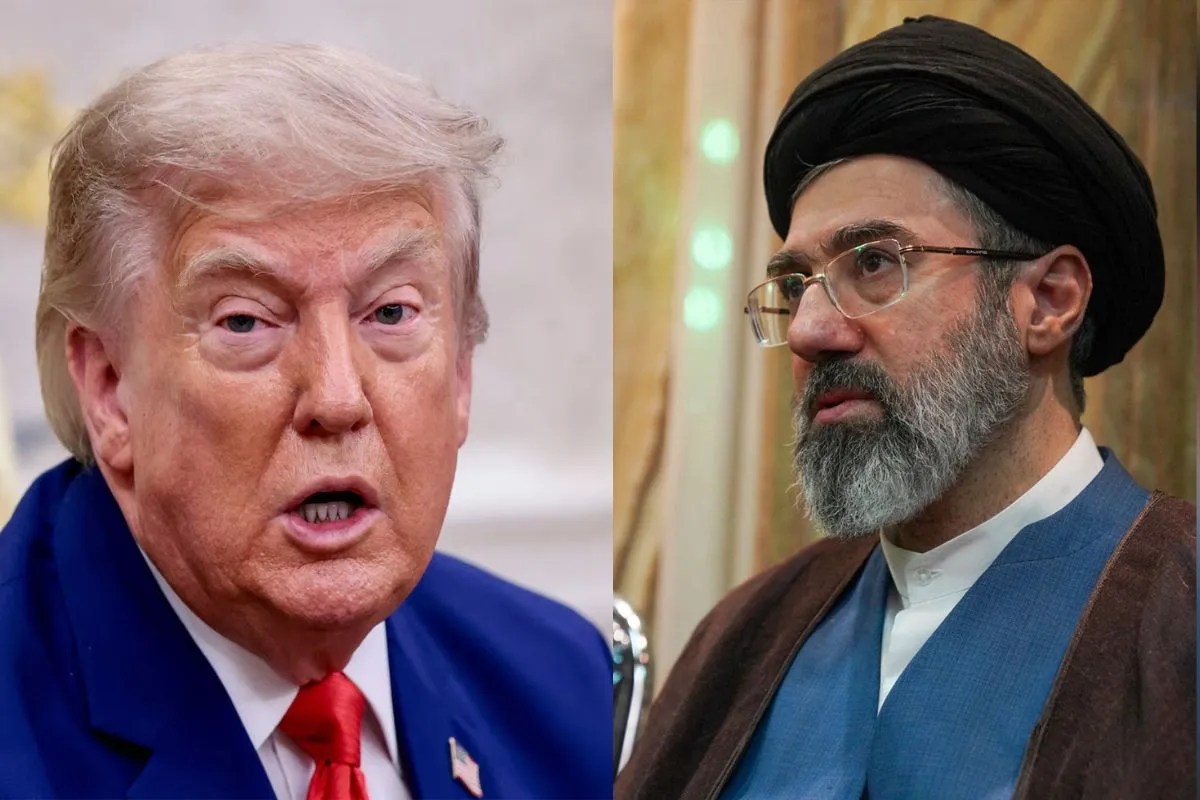
That decision landed right in the middle of escalating political crossfire. Donald Trump has ramped up his attacks on mainstream television networks, focusing heavily on CNN's institutional stance. Yet Ellison refused to flinch. Keeping Thompson isn't just a vote of confidence in a seasoned media executive. It is a calculated bet on stability during a chaotic transition period. Learn more on a related subject: this related article.
The Anatomy of a High-Stakes Media Merger
When multi-billion-dollar deals reshape the landscape, stability is a rare commodity. Thompson took over CNN in late 2023 with a mandate to rebuild trust, cut costs, and modernize digital distribution. Traditional cable news ratings are sliding. Cord-cutting is carving deep into profit margins. Newsrooms everywhere are trying to figure out how to survive the migration toward streaming and algorithmic feeds.
Bringing in an outsider would have meant months of internal paralysis. Newsrooms get paralyzed when leadership changes. Reporters wonder if their beats will survive. Producers second-guess every editorial choice. By confirming early that Thompson stays, Ellison short-circuited that anxiety. More reporting by Business Insider explores related perspectives on this issue.
You cannot fix a structural leak while changing the captain every six months. Thompson brings decades of heavyweight experience from the BBC and The New York Times. He knows how to handle large, unruly newsrooms. More importantly, he knows how to execute painful digital pivots without completely imploding the core brand.
Navigating the Political Crosshairs
Media executives live under constant surveillance, but running CNN puts a target on your back. Political pressure from the right has been relentless for years. Trump's attacks aren't subtle. They target the network's legitimacy, its economic foundations, and its individual journalists.
Weaker corporate parents often cave to this kind of pressure. They panic at regulatory scrutiny or public blowback. They try to soften editorial edges to appease political figures. Ellison's decision to stick with Thompson signals a different playbook. It suggests the new ownership group values institutional grit over short-term political truce-seeking.
If you capitulate to political attacks, you lose the trust of the audience that relies on hard reporting. Thompson has faced political pressure across his entire career in public and commercial media. He understands that trying to please everyone in a polarized climate is a losing strategy.
What This Means for the Future of Cable News
The old model of cable news is dying. Primetime shouting matches don't command the cultural authority they used to. Younger audiences get their breaking news from TikTok, YouTube creators, and decentralized feeds.
Thompson has been pushing CNN toward a digital-first membership and streaming mindset. That transition is messy. It requires breaking old habits built around 24-hour cable cycles. Ellison’s backing gives Thompson the political capital inside the boardroom to push those reforms through, even when legacy producers push back.
Success won't come from pretending the political pressure doesn't exist. It will come from ignoring the noise and focusing on operational execution. Ellison has made his choice. Now, the pressure shifts entirely to execution. If Thompson can pivot the network toward digital viability while weathering the political storms, this ownership era might actually stabilize one of journalism's most scrutinized institutions.