Celebratory headlines are a fantastic way to obscure a brewing crisis. Recently, the public health sector erupted in applause over data showing that cervical cancer deaths in English women born after September 1, 1995—the cohort first offered the bivalent HPV vaccine—have effectively dropped to zero.
It sounds like a definitive victory. The press framed it as the end of an era, a disease conquered by a single needle.
They are celebrating too early, and they are looking at the wrong metrics.
Declaring victory based on early data from a highly specific, young demographic is not just premature; it is dangerous. It breeds a false sense of security, threatens to dismantle the very screening infrastructure that kept these women safe in the first place, and ignores the shifting biology of a complex disease.
The "zero deaths" narrative is a mirage. Here is the uncomfortable reality public health officials are too terrified to articulate.
The Cohort Fallacy: Why Young Data Distorts Reality
To understand why the current celebration is flawed, you have to understand the timeline of cervical cancer. This is not an immediate, aggressive pathogen. It is a slow-burning disease.
The peak incidence for cervical cancer does not hit at age 22 or 25. According to Cancer Research UK, the highest incidence rates are in women aged 30 to 34. More critically, deaths peak much later, often in women over the age of 60.
Saying deaths have dropped to zero among women in their mid-to-late twenties is a statistical sleight of hand.
Historically, cervical cancer deaths in women under 25 were already incredibly rare. You are celebrating the eradication of a metric that was already a baseline anomaly. The real test of the HPV vaccine’s long-term efficacy will not happen for another fifteen to twenty years, when this vaccinated cohort enters the prime age bracket for oncogenic progression.
The Typology Trap: The Strains the Vaccine Misses
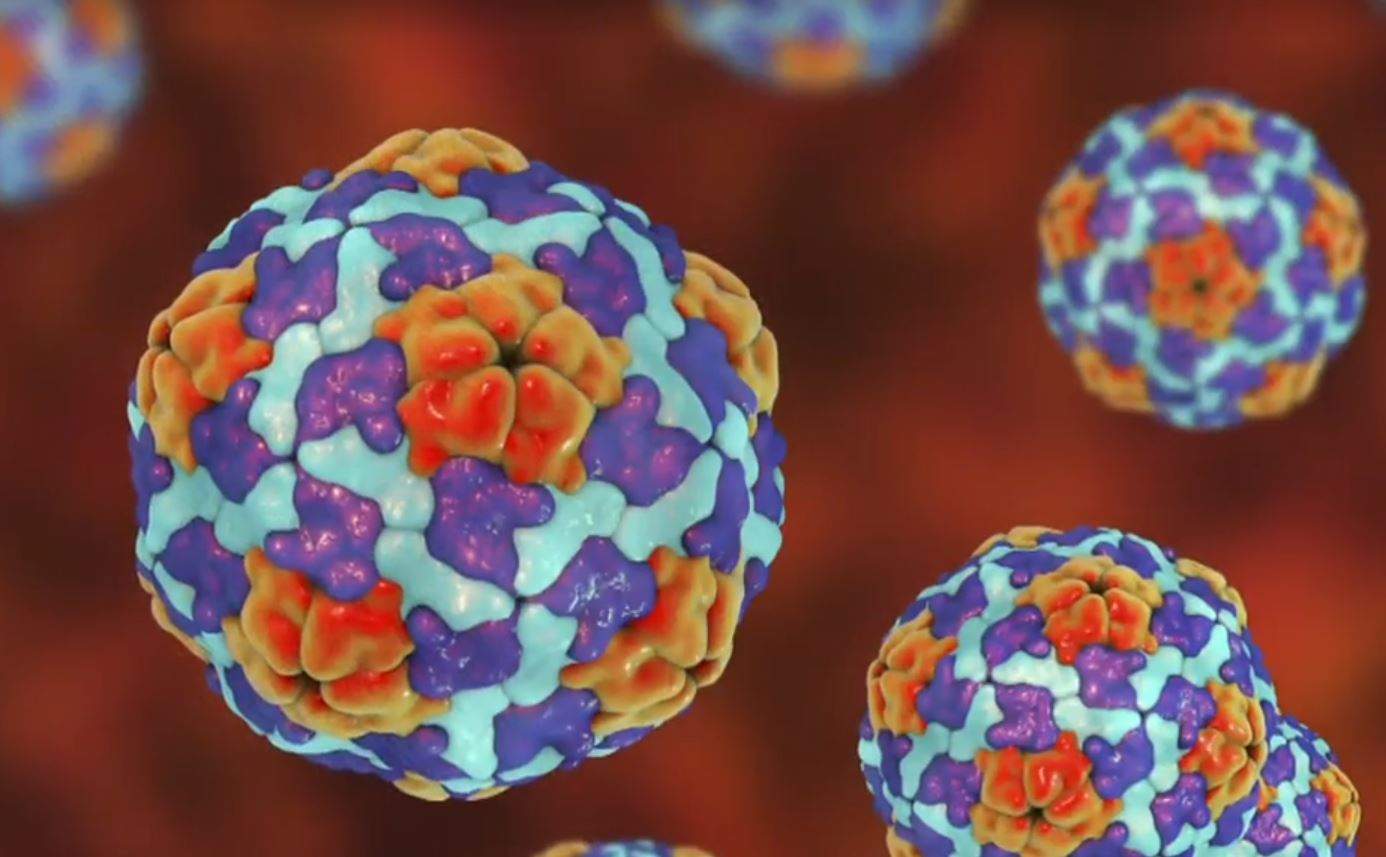
The human papillomavirus is not a monolith. There are over 100 strains, and while high-risk strains 16 and 18 cause roughly 70% to 80% of cervical cancers globally, they do not cause all of them.
The early bivalent vaccine utilized in the initial UK rollouts targeted only those two strains. Even the newer nonavalent vaccines, which cover nine strains, leave a statistical window open.
When you tell a generation of young women that a vaccine has reduced deaths to "zero," they hear one thing: I am immune.
They are not. By focusing exclusively on the success against strains 16 and 18, public health campaigns are inadvertently creating an environment ripe for type-replacement—where rarer, non-targeted high-risk strains potentially fill the evolutionary vacuum. If a woman carries a high-risk strain not covered by the vaccine, and she skips her screenings because she believes she is cured for life, the outcome will be catastrophic.
The Collapse of the Screening Infrastructure
Here is the battle scar from decades in health analytics: human behavior always breaks theoretical medical models.
The greatest triumph in the fight against cervical cancer was never a vaccine. It was the Papanicolaou (Pap) smear and the subsequent implementation of primary HPV screening. Regular cytological and molecular screening catches precancerous cellular changes (cervical intraepithelial neoplasia, or CIN) years before they turn invasive.
The "zero deaths" headline is actively destroying compliance with these screening programs.
- The Compliance Plummet: Attendance for cervical screening among younger women has been on a downward trend for a decade. In some parts of England, coverage for women aged 25 to 49 has dipped below 70%.
- The Inoculation Illusion: Young women frequently confuse being vaccinated with being protected. They assume the smear test is obsolete for them.
- The Funding Threat: When policymakers see a headline proclaiming "Zero Deaths," budget reallocations follow. Resources get shifted away from maintaining aggressive, costly screening reminders and laboratory staff toward other, more visible crises.
If screening compliance drops by another 15%, the rise in cancers caused by non-vaccine strains or missed coverage will easily wipe out the gains made by the vaccine. The safety net is being unraveled precisely because we think we no longer need it.
The Unequal Distribution of Immunity
Public health data loves averages because averages hide failures.
The zero-death statistic assumes uniform vaccine uptake. It ignores the stark socioeconomic and cultural divides in healthcare access. Vaccine coverage is not 100% across the board. In deprived inner-city areas, among certain marginalized ethnic communities, and within migrant populations, uptake is significantly lower than the national average.
These are the exact same demographics where cervical screening attendance is traditionally low.
By treating the vaccinated cohort as a homogenous group that has achieved total victory, the system is blinding itself to localized pockets of extreme vulnerability. We are setting up a future where cervical cancer ceases to be a generalized public health issue and becomes entirely a disease of poverty and systemic neglect.
Dismantling the Premise: Are Vaccines Enough?
Let us address the questions everyone is asking, but answering incorrectly.
Does the HPV vaccine mean I can skip my smear test?
No. This is the most dangerous assumption currently circulating. The vaccine is a shield against specific high-risk strains, not an invisibility cloak against cancer. You still have a cervix; cells can still mutate. Skipping a screen because you were vaccinated in school is medical gambling.
Will cervical cancer be completely eradicated by 2030?
The World Health Organization has set goals, but total eradication is a political talking point, not a clinical reality. Eradication requires 90% vaccine coverage, 70% screening coverage, and 90% access to treatment globally. We are nowhere near those numbers uniformly.
The Direct Action Plan for Real Protection
Stop reading the victory laps in the press. If you want to actually manage your health risk based on objective reality rather than public relations data, follow these steps.
- Verify Your Vaccine Type: Know whether you received the bivalent (Cervarix) or quadrivalent/nonavalent (Gardasil) vaccine. Knowing which strains you are protected against tells you exactly how large your remaining risk window is.
- Treat Screenings as Non-Negotiable: Regardless of your vaccination status, your first cervical screening invitation at age 25 is a mandatory diagnostic event. Treat it with the same urgency as an acute medical emergency.
- Demand Primary HPV Typing: When you get screened, ensure the lab is utilizing primary HPV DNA testing, which identifies the presence of the virus's genetic material before cellular changes even begin.
The celebration is a trap. The data is a snapshot of a moment in time, frozen in a young demographic that hasn't yet reached the age of true disease progression. The needle did its job, but it didn't finish the war. Don't let a headline convince you to drop your guard.