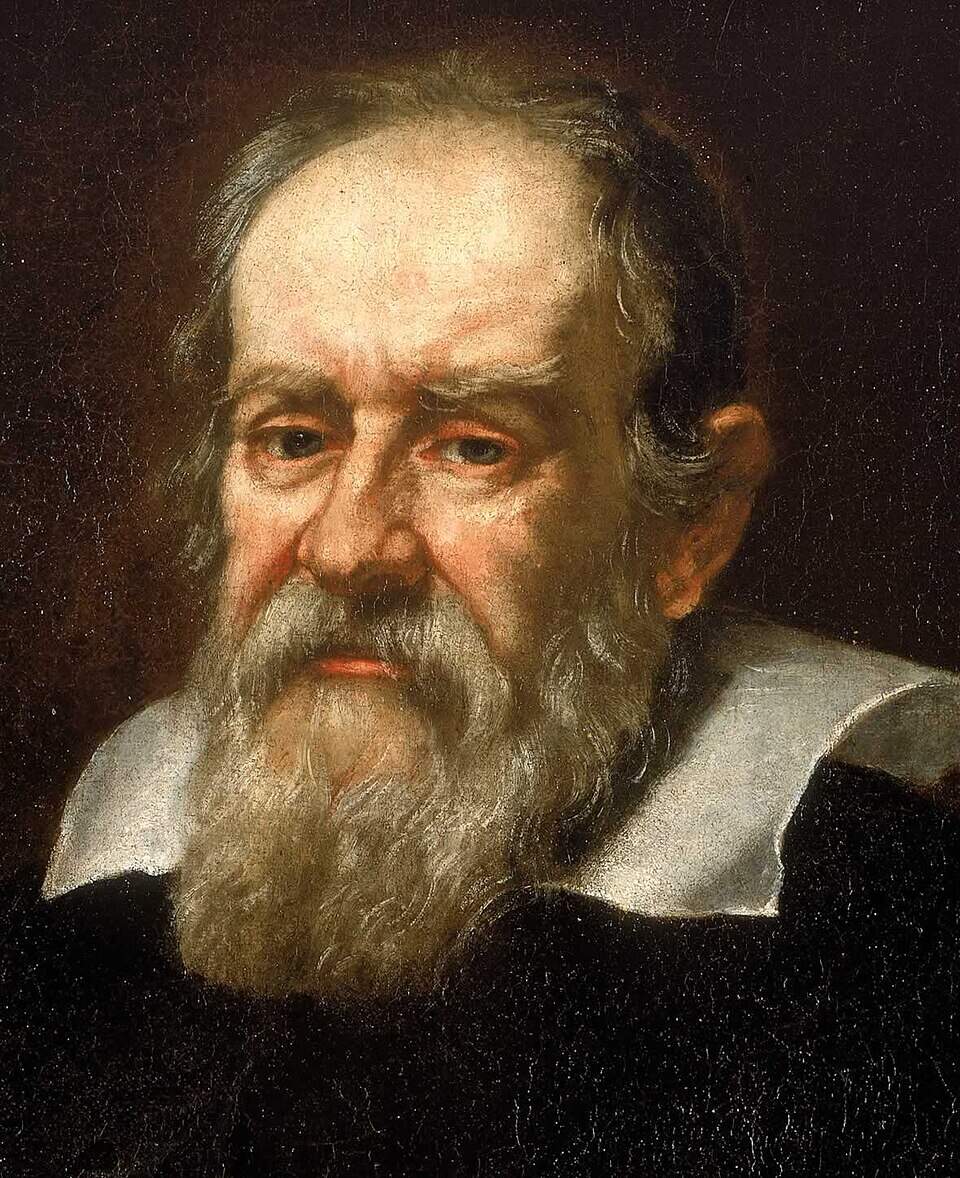
The ink on the page was dark, bleeding slightly into the coarse rag paper of seventeenth-century Italy. Galileo Galilei sat in the dim light of a study in Florence, watching the candlelight flicker against stone walls. He was old, confined to his home by the heavy hand of the Inquisition, stripped of his freedom to roam the hills or peer through his lenses at the moons of Jupiter without scrutiny. Yet, as his quill moved, scratching words that would outlive empires, he captured a truth that had nothing to do with physics and everything to do with the human heart.
Passion is the genesis of genius. You might also find this related story useful: Inside the Congo Ebola Crisis Where 4000 Cases Expose a Broken Containment Playbook.
We have spent centuries getting this backward. We look at the monuments of human achievement—the towering equations, the symphonies that shake the chest, the breakthroughs that alter the trajectory of medicine—and we treat them like rare minerals mined from the earth by lucky accidents. We talk about raw intellect as if it were a genetic lottery ticket. We assume that brilliance is a quiet, sterile thing born in immaculate laboratories by people who never sweat, never bleed, and never doubt.
It is a comfortable lie. Because if genius belongs only to the chosen few, then the rest of us are off the hook. We can clock in, clock out, and consume what others have built, absolved of the burden to create. As discussed in latest coverage by Medical News Today, the effects are notable.
Consider what happens when you strip that comfort away.
Think of a hypothetical physician named Elena, working the graveyard shift in a county hospital in the dead of winter. The fluorescent lights above her desk hum with a low, maddening vibration. Her eyes are bloodshot. Her coffee went cold three hours ago. On the monitor across the room, a patient's vitals are behaving in a way that defies standard textbook logic. Most people would see a data point. Most people would follow the protocol, write the discharge or the standard admission, and let the morning shift sort out the wreckage.
Elena does not do that.
Instead, a strange, restless friction grips her chest. It is not ambition. It is not the promise of a bonus or a plaque on a wall. It is an obsessive, burning curiosity that refuses to let her look away. She pulls up journals she read five years ago. She paces the linoleum hallway, muttering variables to herself. Her heart races not from fear, but from an intense, unrelenting drive to understand a puzzle that refuses to solve itself.
That friction is what Galileo was writing about.
We talk about passion today as if it were a pleasant hobby. We put it on inspirational posters next to stock photos of mountains. But true passion—the kind that acts as the genesis of genius—is rarely comfortable. It is inconvenient. It ruins sleep schedules. It destroys social lives. It makes people obsessive, sometimes difficult to live with, and allergic to half-measures.
History is littered with these obsessive figures. Consider Marie Curie in her drafty, uninsulated shed in Paris, boiling tons of pitchblende down with a heavy iron rod until her arms ached and her skin blistered from invisible radiation. She did not do it because it was safe or practical. She did it because a fire burned inside her that was hotter than the elements she was trying to isolate. The intellectual rigor—the genius—was merely the steering wheel. The passion was the engine. Without the engine, the car stays parked in the driveway, no matter how shiny the paint.
We live in an era obsessed with productivity hacks, optimization, and frictionless paths to success. We want the fruit without planting the tree. We buy planners and download apps designed to squeeze every drop of efficiency out of our working hours. Yet, we often feel hollow. We check off every box on our daily lists, and yet we go to bed feeling like ghosts.
The missing ingredient is almost always the fire.
When you lack an emotional core in your work, every task feels like dragging an anchor through sand. You are constantly negotiating with yourself to just keep going. But when a problem catches fire in your mind—when you genuinely care about the outcome, when the subject matter hooks into your deepest curiosities or grievances—the nature of effort changes. Hours vanish. Fatigue becomes a background hum rather than a brick wall.
This is where the reality of lived experience collides with abstract theory. I remember sitting at a desk years ago, staring at a blank screen while trying to force myself to care about a topic I had zero connection to. The clock mocked me. Each minute stretched like taffy. Every sentence felt like pulling teeth. The technical skill was there, but the soul was absent. The resulting work was flat, lifeless, and forgettable.
Contrast that with moments when an idea takes hold of you like a fever. You wake up at three in the morning with a sentence already forming in your head. You scramble for a notebook before it evaporates. You do not need motivation speakers. You do not need discipline tricks. You are simply chasing a light down a dark hallway because you have to know what is at the end of it.
That is the mechanism of breakthrough.
Genius is not a lightning strike that hits a random person standing in a field. It is the result of standing in the rain for so long, by choice, because you refuse to go inside until you understand why the storm is happening. It is the marriage of relentless, agonizing effort and an unyielding emotional investment.
Galileo knew this as he faced the twilight of his life. He had lost his sight, his freedom, and the support of the institutions he once trusted. Yet his mind remained sharp, fueled by the same unquenchable fire that drove him to map the heavens. He did not need a telescope to see that the universe belonged to those who cared enough to look closely.
We spend so much time teaching people how to think, and so little time teaching them how to care. We hand out toolkits to minds that have never been warmed by a spark.
Stop waiting for the right mood. Stop looking for the shortcut that bypasses the friction. If you want to build something that lasts, if you want to push past the boundaries of what you thought was possible, you have to find the thing that hurts to ignore.
The fire is already there. You only have to stop putting blankets over it.