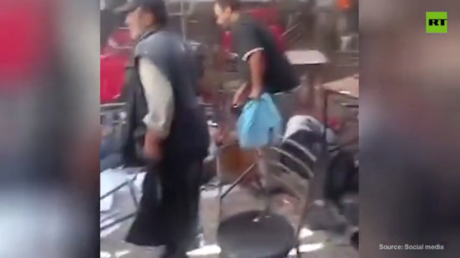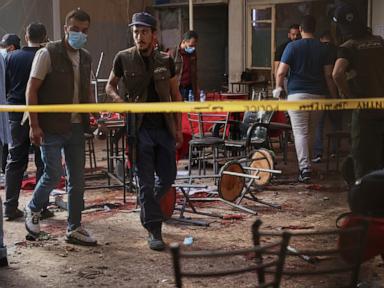
A peaceful afternoon in the heart of Syria capital shattered in seconds. On July 2, 2026, a deadly blast tore through a crowded cafe in the Hejaz area of central Damascus. The venue, situated on Al-Nasr Street near the Palace of Justice, was packed with local patrons, including lawyers working at the nearby judicial complex.
Initial reports from the Syrian Health Ministry confirm that at least six people are dead and 22 others have been injured. Emergency response teams rushed 14 victims to Al-Mujtahid Hospital, while others were routed to the Syrian Red Crescent Hospital. Security forces quickly cordoned off the wreckage as investigators searched for clues.
State media, citing the interior ministry, verified that the devastation was caused by an explosive device planted inside the cafe. It was not a freak accident. It was a targeted attack.
The Real Reality of Security in Post Assad Damascus
This attack did not happen in a vacuum. Ever since former President Bashar al-Assad was toppled in late 2024, Damascus has faced a highly unstable security vacuum. The new ruling authorities have repeatedly claimed they are cracking down on remnant militant factions. They want the world to think they have a handle on things. Clearly, they do not.
This cafe bombing follows a string of violent disruptions that have rocked the capital over the last eighteen months. Just look at the timeline:
- June 2025: A suicide bombing at a Damascus church killed 25 worshipers, an attack later linked to Sunni Islamist groups.
- May 19, 2026: A car bomb detonated right outside a Defense Ministry building, leaving one soldier dead and 18 wounded.
- July 2, 2026: The latest cafe bombing strikes the city center, proof that attackers can still penetrate the highly monitored government district.
Local business owners are terrified. Mohammed al-Zahabi, who runs a glasses shop right next to the targeted cafe, described the moments following the afternoon blast. He felt a massive wave of pressure that shook his entire storefront. When he ran outside, he saw victims lying in pools of blood. He remarked that the horrific scene felt exactly like the dark days of the 14-year civil war.
Political Fallout Amid New Alliances
The timing of the explosion raises serious questions. The bomb went off on the exact same day that Lebanon and Syria signed a major bilateral agreement in Beirut. Syrian Foreign Minister Asaad al-Shaibani met with Lebanese Prime Minister Nawaf Salam to establish a high-level cooperation committee designed to move past the painful historical legacy between the two nations.
While diplomats were shaking hands and pledging to respect mutual sovereignty, a bomb was tearing through a civilian hub back home. No group has claimed immediate responsibility for the attack. However, the operational style points directly toward active insurgent cells aiming to delegitimize the current governing body.
If you are following the geopolitical shifts in the Middle East, this is a stark reminder that changing a regime does not magically erase deep-seated insurgent networks.
For international observers and local citizens alike, the immediate steps forward require a massive overhaul of intelligence sharing within the capital. Until the new government can secure everyday spaces like cafes and markets, real stability remains completely out of reach. Stay away from government-adjacent districts in central Damascus if you are traveling through the region, as these high-profile zones remain prime targets for insurgent networks looking to make a point.
You can watch an on-the-scene report detailing the aftermath and early investigation work via this Damascus Cafe Explosion Update. This short video provides visual context of the security lockdown around the Palace of Justice following the incident.