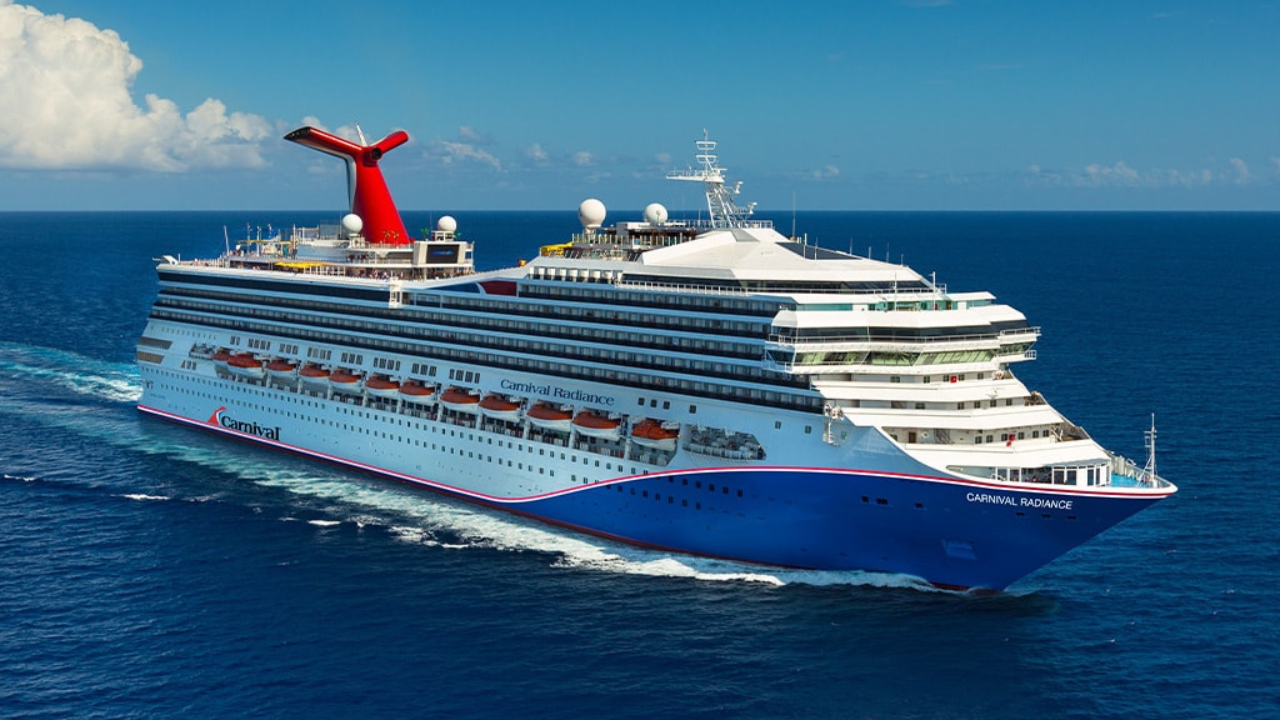
Fourteen tequila shots. Think about that number for a second. Most people would be on the floor long before they hit double digits. When a California woman claimed she was served that much alcohol aboard a cruise ship and subsequently sued, the industry stopped ignoring the issue of liability. A jury eventually sided with her, awarding $300,000. This wasn't just a story about a wild vacation gone wrong. It was a wake-up call for every passenger stepping onto a cruise deck and every line operating in international waters.
Too many travelers treat cruise ships as lawless zones where the normal rules of society stop at the gangway. That is a dangerous mistake. You're entering a unique legal environment the second you board. Understanding how alcohol service policies work—and where the cruise lines fail—is the difference between a fun trip and a legal nightmare.
The Reality of Maritime Alcohol Liability
Maritime law is messy. It’s not the same as walking into a bar in downtown Los Angeles. Cruise lines operate under complex regulations often dictated by the country where the vessel is registered, not necessarily where the passenger lives. This creates a massive gap in how bars are managed.
When this passenger alleged she was overserved, the core argument centered on negligence. Did the staff have a duty of care? Absolutely. Cruise lines have internal policies designed to prevent intoxication. They train staff to spot "signs of impairment." But training and reality rarely match up perfectly. Under pressure to keep the profits flowing and maintain the "party" atmosphere, common sense often vanishes.
The $300,000 verdict shows that juries are tired of the "party at any cost" mentality. If a crew member continues to pour shots for someone who is clearly stumbling, the cruise line is effectively taking responsibility for whatever happens next.
Why Bars Keep Pouring
I’ve spent enough time on ships to know how the dynamic works. You've got an open bar package. The drinks are technically "free" because you already paid for the drink pass. This creates a psychological trap. You feel like you need to drink to "get your money's worth."
The bartenders are often pushed by quotas or simply caught up in the rush of a busy venue. They aren't always looking for the safety of the individual; they are looking for speed. If you’re at a bar in Florida, the bartender has a clear legal risk for serving an obviously intoxicated person. On a cruise, the accountability is harder to pin down. Until now. This verdict changes the calculus. The cost of a lawsuit is now far higher than the revenue from a few extra rounds of tequila.
What You Need to Know Before You Sail
You can't rely on the cruise line to babysit you. It’s on you to understand your own limits and the risks involved. Don't assume that because the staff is serving you, it’s safe to keep ordering.
- Know your policy: Every major line has a code of conduct. If you act out, they have the right to revoke your drink package, confine you to your cabin, or even kick you off the ship at the next port. That’s not a bluff.
- The "Free" Trap: Stop viewing your drink package as a challenge. You don't win by drinking more than you paid for. You win by enjoying your vacation without ending up in the infirmary or a court document.
- Documenting issues: If you see service practices that seem reckless, make a note. Not just for complaints, but for your own awareness of the ship's culture.
The Hidden Danger of Port Laws
Another thing people miss is how local laws apply once you’re off the ship. You might get away with questionable behavior on the ship, but many cruise ports are strict. If you get into trouble due to alcohol in a foreign port, you aren't going to have a friendly US lawyer standing by. You are subject to the laws of that country.
The $300,000 settlement should serve as a boundary marker. Cruise lines are now going to be much stricter about cutting people off. Expect more frequent card-checking and more aggressive intervention by security. They are covering their assets. You should be doing the same.
Protecting Your Vacation
Don't let your next trip become a cautionary tale. If you're traveling with a group, have a system. Assign a sober companion. It sounds uncool, but it keeps the group safe and ensures you don't end up being the one who makes a mistake that leads to a massive payout or a ruined trip.
If you suspect a staff member is pushing drinks on you despite your clear signs of impairment, stop. Walk away. Don't look for a fight; look for your cabin. The cruise line has a duty, but you have the primary responsibility for your health.
When you book your next cruise, skip the "premium" drink package if you know you have trouble saying no. It’s the easiest way to avoid the temptation. Cruises are meant for relaxation, not for pushing your liver or your legal rights to the limit. Keep your head on straight, enjoy the ocean, and leave the tequila shots for the movies. Being the person who knows their limits is the smartest way to travel.