Steam hisses from a brass wand at seven in the morning, cutting through the low hum of grinder burrs and half-awake small talk.
For anyone who has ever worked the opening shift behind an espresso bar, that sound is a kind of secular church bell. It signals normalcy. It promises that the world outside the plate-glass windows is behaving itself, that the biggest crisis of the next four hours will be an oat milk shortage or a jammed receipt printer. Also making waves lately: Stop Blaming ANC Corruption for South Africa's Infrastructure Collapse.
Then the bell above the door jingles, and the script tears in half.
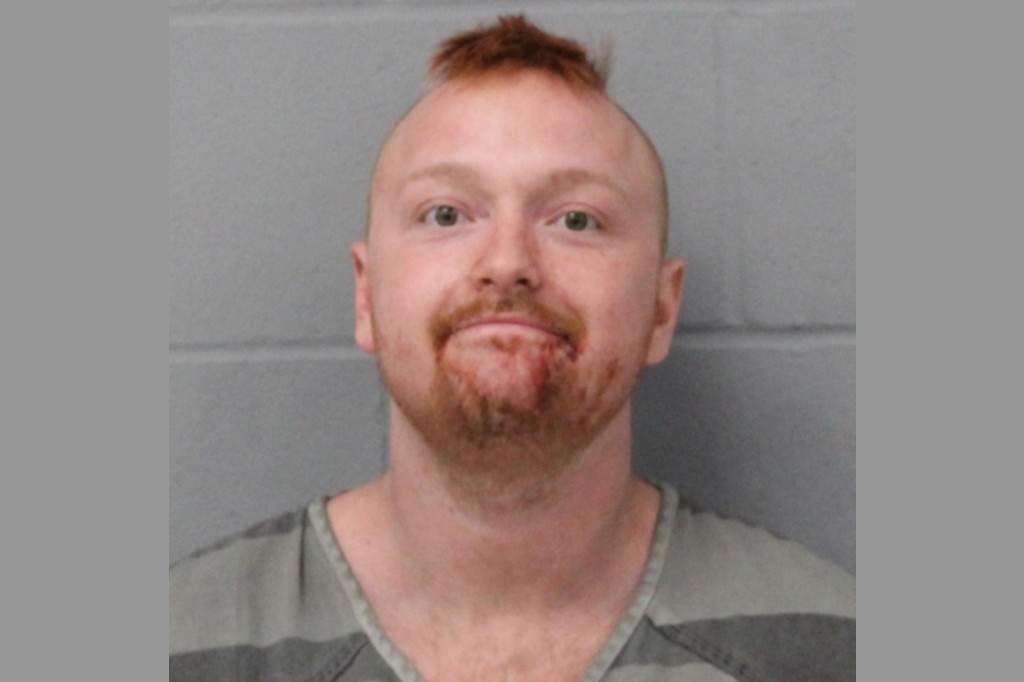
A man walks in wearing the painted rot of a movie monster. Fake blood streaks his jaw. Tattered fabric hangs from his shoulders like burial rags. In October, or near a convention hall, or on a late-night theater run in Texas, a zombie costume barely registers as a threat; it registers as theater, an invitation to smile and look away. Our brains are wired to file theatrical horror under play. We have spent decades training ourselves to laugh at the undead on screens and sidewalks, to treat the macabre as harmless fun. More insights into this topic are detailed by Associated Press.
That conditioning is what makes a real knife in a painted hand so devastating.
When news broke out of Texas that a man dressed as a zombie had been accused of stabbing two people inside a coffee shop, the headlines treated the story like an oddity—a strange, clickable blurb sandwiched between weather alerts and traffic reports. Texas man dressed as zombie accused of stabbing 2 people at coffee shop. Ten words. Cold. Efficient. Forgettable by lunch.
Look closer, though, and the story stops being a weird police blotter curiosity. It becomes an uncomfortable mirror held up to how we inhabit public space, how bystanders freeze when violence wears a mask, and what happens to an ordinary room when the invisible social contract snaps.
The Architecture of an Ordinary Morning
To understand why an attack inside a cafe hits a nerve so differently than a crime on a dark street, picture a hypothetical morning in that very room. Let us invent two regulars—call them Elena, a middle-school teacher grading essays over a cortado, and Marcus, a freelance draftsman nursing his second drip coffee near the front window. Neither of them exists in the police report by name, yet every neighborhood coffee shop in Austin, Houston, Dallas, or San Antonio holds dozens of Elenas and Marcuses on any given day.
They chose that corner table for a specific, unspoken reason.
Sociologists call places like coffee shops "third places"—the neutral ground between the obligations of home and the pressures of work. Think of a third place as an emotional living room shared with strangers. You leave your coat on the back of a chair. You turn your back to the entrance while waiting for your name to be called. You wear headphones that seal out the room. Every one of those tiny habits is an act of radical, everyday trust. You are betting your physical safety on the quiet assumption that everyone else who pushed open that front door agreed to the same unspoken rules.
No shouting. No sudden moves. No weapons.
When a man enters that sanctuary dressed as a walking corpse, the brain encounters a traffic jam of signals. Threat-detection instincts—the ancient wiring in the amygdala that kept our ancestors alive on savannahs—depend on pattern recognition. Normally, visual cues match intent. A scowl, clenched fists, or erratic pacing triggers immediate distance.
A costume scrambles the signal.
Psychologists who study bystander behavior in emergencies describe this lag as normalcy bias colliding with ambiguity. If someone walks into a cafe screaming, people duck. If someone walks into a cafe looking like an extra from a horror film, onlookers pause. They look for the camera crew. They check the calendar. They wonder if it is a prank, a bet, a promotion for a haunted house down the block.
Seconds bleed away during that mental hesitation. And in an edged-weapon attack, seconds are the entire ballgame.
Why Theatrical Violence Clouds Real Danger
We live in a culture saturated with stylized gore. Walk down any suburban aisle in the autumn, scroll through any short-form video feed, or pass a downtown theater district on a Friday night, and blood-splattered makeup is wallpaper.
I remember working late shifts in a downtown service job years ago, watching costumed crowds spill out of bars after midnight. You learn quickly how desensitized a room becomes to fake injuries. Someone could have theatrical latex peeling off their cheek and crimson corn syrup soaking their collar, and the barista would simply ask if they wanted whipped cream on their mocha. Nobody flinches. Nobody reaches for a phone.
That cultural callousness carries a hidden price.
When violence borrows the wardrobe of entertainment, bystanders lose their earliest warning system. By the time the blade flashes and the first victim cries out, the attacker has already crossed the room, closed the distance, and shattered the buffer zone that normally protects strangers in public.
Consider what happens next inside a space built for comfort rather than defense.
Coffee shops are obstacle courses of intimacy. Two-top tables sit eighteen inches apart. Display cases jut into walkways. Heavy ceramic mugs, laptops, tangled charger cords, and narrow aisles trap people in pockets. Unlike a wide city plaza where a crowd can scatter in ten directions, a cafe funnels movement toward a single glass door and a narrow counter.
For the two people stabbed in that Texas coffee shop, there was no dramatic cinematic warning—no swelling orchestra, no slow-motion realization. There was only the sudden, incomprehensible shock of steel meeting flesh in a place built for warmth.
The Myth of the Instant Hero
Whenever headlines like this surface, comment sections quickly fill with armchair tacticians declaring what they would have done. I would have thrown a chair. I would have tackled him before he took two steps. People today have no situational awareness.
It is easy to be brave behind a keyboard. It is entirely different to process acute trauma while holding a paper cup of hot liquid.
Law enforcement trainers and emergency physicians have studied close-quarters knife attacks for decades, and their findings dismantle almost every Hollywood cliché about edged weapons. Unlike a firearm, which announces itself with a deafening crack that instantly sends a room to the floor, a knife is silent. People standing ten feet away often do not realize anyone has been stabbed until they see blood or hear a scream. Even the victims themselves frequently report feeling a heavy punch or a burning thud before realizing they have been cut.
Add the surreal visual of a zombie costume to that sensory confusion, and the room's collective nervous system stalls.
First comes disbelief. Then comes panic—raw, uncoordinated, and loud. Chairs scrape backward against concrete floors. Glass shatters. Someone drops their phone while trying to dial 911 with shaking thumbs. Baristas, trained to steam milk and memorize loyalty orders, suddenly find themselves acting as trauma triage nurses, grabbing clean bar towels to press against bleeding wounds while waiting for sirens to cut through city traffic.
That is the reality erased by a ten-word headline. Two human beings woke up expecting an ordinary day in Texas and ended up fighting through pain, shock, and emergency surgery. A third person—the accused—left behind a trail of wreckage that raises uncomfortable questions about untreated crisis, public safety, and the thin membrane separating bizarre behavior from lethal harm.
The Invisible Aftershocks Behind the Counter
Once the crime scene tape comes down and the floor is mopped, the news cycle moves on within twenty-four hours. Another bizarre headline takes its place. Another viral clip steals the feed.
Inside the coffee shop, though, time moves differently.
Talk to anyone who has survived or witnessed a violent assault in a workplace, and they will tell you that the physical cleanup is the easiest part. The real hauntings live in the sensory triggers that refuse to leave the building.
The jingle of the door chime stops sounding welcoming; it sounds like an alarm. Every person who walks in wearing an oversized coat, face paint, or an unusual outfit triggers an involuntary spike of adrenaline behind the counter. The staff learns to track hands instead of eyes. Regulars quietly stop sitting with their backs to the entrance, choosing corner booths where they can watch the glass front door.
This is the quiet tax that random public violence levies on a community. It does not just injure the people struck by the blade. It shrinks the radius of trust for everyone who loved that room.
In Texas, as across the rest of the country, coffee shops have long served as civic anchors—places where retirees read the morning paper, students cram for exams, and neighbors catch up without spending a fortune. When one of those spaces becomes the backdrop for a bizarre, bloody assault, people do not abandon coffee; they abandon ease. They keep one earbud out. They glance over their shoulders. They carry a faint, lingering suspicion into rooms that used to feel completely safe.
Reading the Room Without Living in Fear
So where does that leave the rest of us the next time we push open the door of a neighborhood cafe?
Living in a state of constant dread is its own kind of defeat. If every eccentric stranger becomes a suspected killer in our minds, we turn public life into an armed camp and surrender the very warmth that makes communities worth living in.
Yet blind trust has its own hazards.
Security specialists who advise hospitality workers and everyday citizens emphasize a middle ground—a calm, habit-based alertness they call relaxed awareness. Think of it less like paranoia and more like checking your mirrors while driving on a sunny afternoon. You are not expecting a crash, yet your eyes still gather information automatically.
In practical terms, that awareness comes down to a few small, unobtrusive choices:
- Notice exits without obsessing over them. When you sit down in a cafe, restaurant, or theater, register where the secondary doors are—not just the front entrance you walked through, since crowds instinctively stampede back toward the door they know, creating deadly bottlenecks.
- Watch behavior, not just outfits. Costumes, eccentric clothes, and theatrical makeup are usually harmless, especially around holidays or local events. What matters is mismatch: rigid posture, fixation on specific targets, concealed hands, or aggressive boundary-crossing that ignores normal social cues.
- Trust your gut when a room feels wrong. Humans pick up micro-signals long before the conscious mind can articulate them. If someone's demeanor makes the hair on your neck stand up, you do not owe anyone politeness at the expense of distance. Step outside. Move behind a solid counter. Create space.
- Know what stops bleeding. In the critical minutes before paramedics arrive at any stabbing or accident, direct, heavy pressure with whatever cloth is available—aprons, bar towels, jackets—saves more lives than panic ever will.
None of these habits require cynicism. They simply restore the balance between openness and readiness that modern life often lulls us into forgetting.
What Remains After the Sirens Fade
A man in zombie makeup accused of stabbing two people in a Texas coffee shop will eventually become a case number on a court docket. Lawyers will argue over intent, mental state, criminal history, and culpability. The legal machinery will grind forward at its slow, procedural pace, reducing a terrifying morning to exhibits, testimony, and sentencing guidelines.
Out on the street, however, the real lesson of that morning has nothing to do with courtroom procedure.
It has to do with how fragile our shared spaces really are, and how easily our brains can be fooled when real danger borrows the face of make-believe. We build glass-walled rooms full of warm light and bitter coffee to remind ourselves that civilization is sturdy, predictable, and kind. Most days, it is.
Still, somewhere in Texas, a barista still unlocks that front door before sunrise, turns on the espresso machine, and listens to the steam hiss into the quiet room—glancing toward the street each time the bell above the glass begins to ring.


