The Flash of Neon and the Weight of History
October arrives with a specific chill in the air, carrying the scent of damp leaves and the distant, sugary promise of miniature candy bars. Shelves fill overnight with plastic skeletons, flickering jack-o'-lanterns, and aisles of hanging fabric designed to transform anyone into something else entirely for a single evening. For most, it is an exercise in harmless theater. You browse the racks, you debate between a vampire and a superhero, you toss a package into your red plastic cart, and you move on.
Behind those aisles, however, stands an invisible architecture of production, distribution, and corporate approval. Hundreds of hands touch every single item before it lands under the fluorescent lights of a retail giant. Designers sketch, buyers select, quality assurance teams review, and executives sign off. Somewhere along that sprawling chain of custody, a massive system failed. For a more detailed analysis into similar topics, we suggest: this related article.
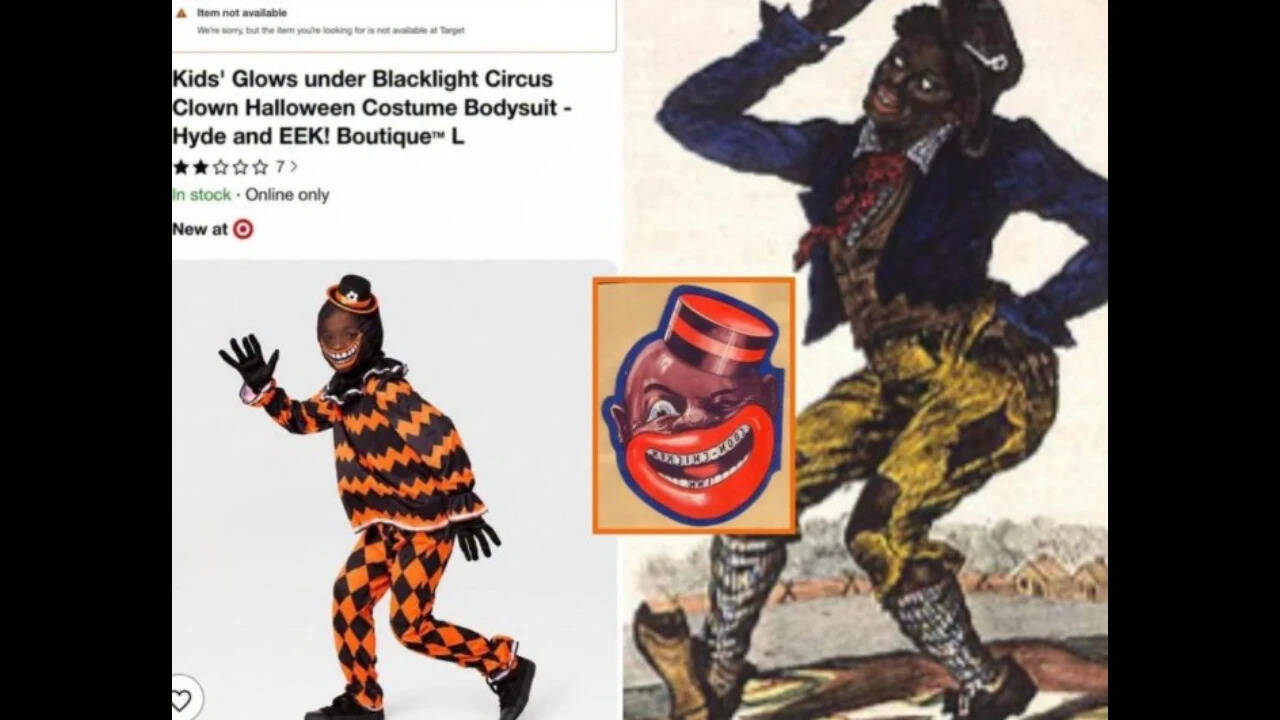
Target found itself at the center of that failure when an item in its seasonal Halloween collection ignited immediate, fierce outcry. The product, a costume featuring elements that heavily leaned into a racist caricature, did not simply miss the mark; it bypassed every single internal check designed to protect the consumer experience.
Panic arrived swiftly in the corporate suites. Apologies were issued. The merchandise vanished from digital carts and physical pegs with quiet urgency. Yet, the rapid removal leaves a lingering question in its wake. How does an institution with billions of dollars in market research, diversity councils, and review boards greenlight a product that echoes centuries of painful, dehumanizing stereotypes? For additional context on this topic, comprehensive reporting is available at NPR.
To understand that failure, we have to look past the corporate press release. We have to look at how standardized corporate environments process cultural artifacts until they are stripped of all meaning, leaving behind only a hollow transaction.
The Machinery of Blind Spots
Consider the modern retail buyer. Their desk is buried under spreadsheets tracking inventory turnover, supply chain delays, profit margins, and regional sales projections. They are evaluated on velocity, on units moved, on hitting aggressive quarterly targets. They operate in a world of numbers.
When a design hits their desk, whether physical or digital, it is rarely viewed through the lens of lived historical trauma. Instead, it is evaluated as an aesthetic package. Does it fit the theme? Is the price point competitive? Will it sell out by mid-October?
(Note: This hypothetical breakdown illustrates the systemic pressures of modern merchandising, where human empathy is routinely crowded out by operational metrics.)
When volume dictates speed, nuance becomes the first casualty. A designer sketching a spooky character might pull inspiration from outdated pop culture tropes, old cartoons, or generic horror archetypes without ever pausing to ask who those tropes originally targeted. The sketch moves to a manufacturer overseas, where local workers execute the specifications without context. It passes through quality control checks focused entirely on flammability standards and toxic dyes.
No one stops to ask: What does this actually represent?
This is the invisible hazard of scale. As corporations grow larger, their internal distance from everyday human reality widens exponentially. The corporate headquarters can feel miles away from the communities that shop in their stores. When a company becomes too big to see the people it serves, it stops listening to the echoes of the past. It becomes entirely possible for a room full of well-meaning professionals to stare directly at a harmful stereotype and see nothing more than a profitable SKU.
The Immediate Aftermath and the Public Reckoning
When the costume first surfaced online, the reaction was not a slow simmer. It was instantaneous. Social media platforms acted as digital town squares where users dissected the product design, pointed out its historical parallels, and directed their fury straight at the retailer's customer service channels.
Images spread across feeds within minutes. For many consumers, the sight was a jarring reminder that cultural insensitivity remains deeply embedded in mainstream commerce. It was not merely a mistake; it felt like a betrayal of trust. Shoppers who walked into those stores expecting a safe, inclusive environment found themselves staring down a caricature that mocked their heritage.
The corporate response followed a familiar, well-rehearsed playbook. Statement drafted. Apology issued. Product pulled.
"We deeply regret this oversight and have removed the item from our stores and website. We strive to create an inclusive environment for all our guests, and this product does not reflect those values."
It is a clean, efficient PR response. But apologies, no matter how carefully worded by legal teams, cannot instantly repair the fracture of trust. For the consumer standing in the aisle, the apology is just words on a screen. The real test is what happens next month, next year, and in the quiet boardrooms where the next round of products is currently being debated.
Bruised trust does not heal simply because an item is scrubbed from a database. It heals through vigilance, through structural reform, and through a willingness to slow down the relentless machinery of profit to listen to the people on the receiving end of the cultural line.
When a retail giant stumbles this way, it exposes a profound vulnerability in how major brands vet their cultural footprint. It proves that diversity initiatives cannot just be bullet points in an annual report or slides in a corporate training seminar. They must be active, breathing filters built directly into the creative process.
The lights in the seasonal aisle will eventually go out. The skeletons will be packed away, the candy replaced by holiday decorations, and the memory of the offending costume will fade into the digital archives.
Yet, the core lesson remains sharp and unyielding. Culture is not a costume you can slip on for a quick profit without consequence. Behind every design on a shelf is a story, a history, and a human being waiting to see if the world has finally learned to look closer.