Contractor fraud in Calgary has transformed from a series of isolated neighborhood disputes into a systemic economic injury. Homeowners across the city find themselves losing life savings, retirement funds, and structural integrity of their houses to predatory operators who exploit regulatory gaps, rising construction costs, and an overburdened municipal licensing framework.
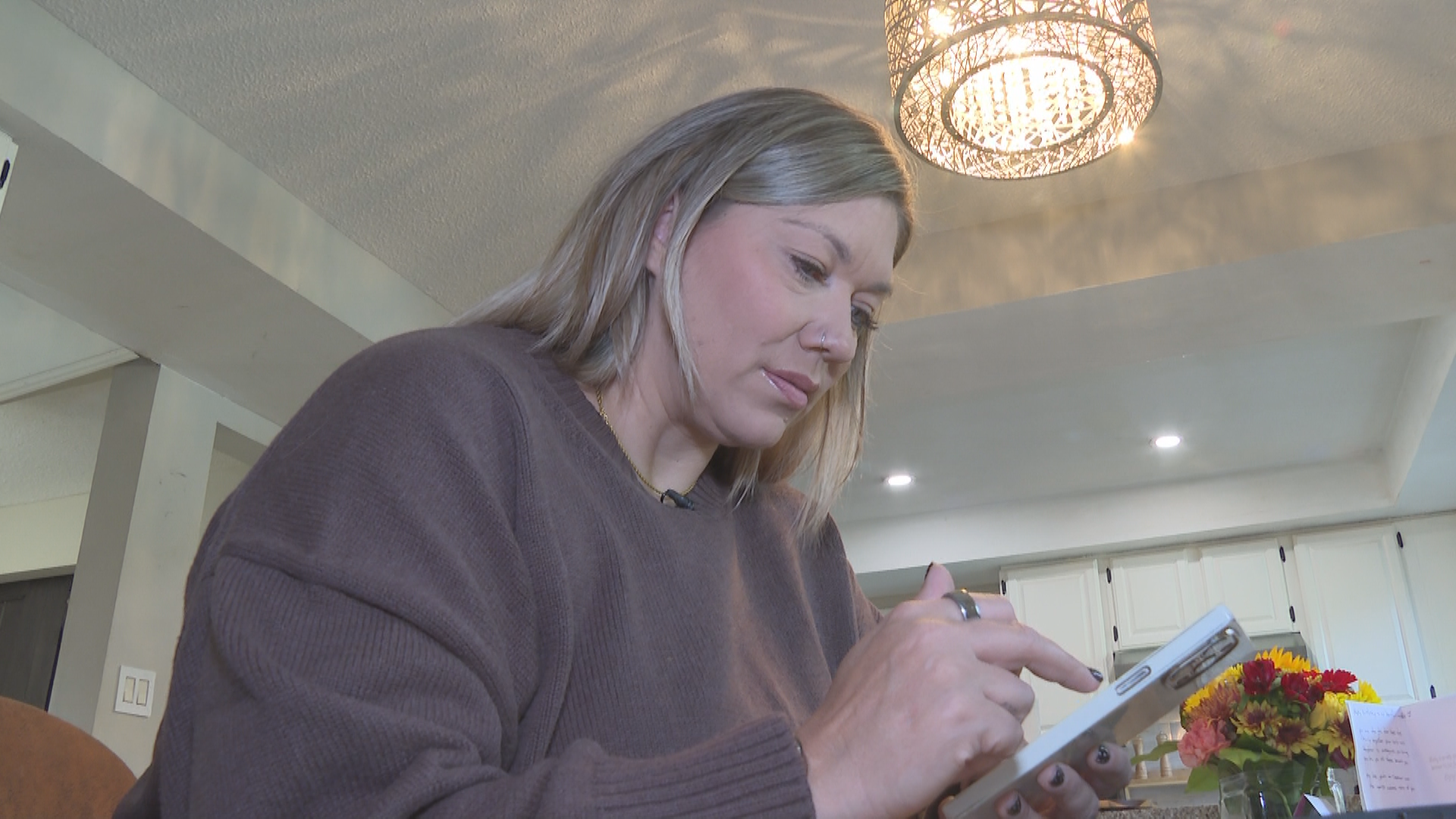
When a Calgary resident stepped forward to share her devastating encounter with a fraudulent renovator who vanished with tens of thousands of dollars, she became the face of a much larger institutional failure. This is not merely about a dishonest tradesperson running off with a deposit. It is a symptom of a broken accountability model where bad actors can cycle through corporate names, abandon half-finished framing and drywall, and leave consumers with empty bank accounts and zero legal recourse.
Understanding why this crisis persists requires looking past the individual bad actors and examining the structural vulnerabilities in how residential construction is regulated, financed, and overseen in Alberta.
The Anatomy of a Runaway Renovation
The mechanics of contractor fraud follow a predictable lifecycle. Rogue operators rarely kick down doors or steal valuables in the night. Instead, they weaponize legitimate construction terminology, professional-looking portfolios lifted from the internet, and an aggressive push for front-loaded cash.
Homeowners planning renovations are caught in a pincer movement. On one side, skyrocketing material costs and supply chain volatility make legitimate bids expensive. On the other side, predatory contractors bait clients with artificially low estimates that defy basic math.
Once the contract is signed, the pattern begins.
- The initial deposit is collected under the guise of ordering specialized lumber, windows, or custom cabinetry.
- Minimal work occurs during the first week to establish a false sense of security.
- A sudden crisis materializes. The contractor claims unexpected structural rot, permit delays, or supply chain bottlenecks.
- A demand for a second, larger progress payment arrives before any inspections happen.
- Communication slows, workers stop showing up, and the phone number goes dead.
This cycle thrives because residential renovation operates largely on trust rather than institutional oversight. While commercial construction requires rigorous bonding, union oversight, and strict milestone-based payment schedules, residential projects between private homeowners and small contractors often rely on vague handshake agreements or poorly drafted one-page contracts.
Regulatory Blind Spots and the Licensing Illusion
Consumers naturally assume that if a business holds a local license, the municipality has vetted their financial stability, trade credentials, and criminal record. That assumption is dangerously false.
Municipal licensing systems often function as little more than tax collection mechanisms. A business license verifies that a fee was paid and an address was provided. It does not audit the company's balance sheet, verify whether the individuals holding the tools actually possess journeyman certification, or track consumer complaints across multiple corporate iterations.
When a fraudulent contractor burns through a business name and ruins a dozen reputations, the owners simply dissolve the corporation, register a new numbered company under a different relative's name, and resume operations within the week. The corporate veil shields them from personal liability, while consumer protection agencies remain chronically underfunded and backlogged.
Furthermore, Alberta's Prepaid Contracting Business Licensing requirements under the Consumer Protection Act mandate specific bonding for contractors who take money before work begins. Yet, unlicensed operators routinely ignore these statutes entirely. Because enforcement is almost entirely complaints-driven rather than proactive, scammers can operate for months or years before enforcement officers intervene.
The Financial and Psychological Toll
The cost of contractor fraud extends far beyond the monetary loss. Homeowners facing tens of thousands of dollars in abandoned construction experience a profound erosion of their sense of security.
When your home—traditionally your most stable financial asset—is left with exposed wiring, ripped-off siding, or a gutted kitchen, the stress penetrates every aspect of daily life. Victims frequently report severe anxiety, marital strain, and deep embarrassment. Society tends to victim-blame construction fraud victims, whispering questions about why they didn't check references more thoroughly or why they paid cash.
This victim-blaming obscures a harsh reality: professional fraudsters are manipulative artists. They use social engineering, urgency, and manufactured empathy to disarm caution. They know how to spot homeowners eager to finish a nursery for an incoming baby or retirees trying to make a home accessible for declining mobility. They weaponize personal milestones against common sense.
Navigating the Pre-Construction Minefield
Protecting oneself against predatory operators requires treating the hiring process like a high-stakes corporate vetting procedure. Polite trust must be replaced by verified documentation.
First, dismantle the pressure to pay massive upfront deposits. Legitimate contractors with healthy cash flow and established credit lines with suppliers rarely demand fifty percent down before a single nail is driven. Standard industry practice typically involves smaller mobilization deposits, followed by strict progress payments tied to completed, inspected milestones.
Second, verify licensing independently through official provincial registries rather than taking a contractor's word or checking their business card. Ask for proof of prepaid contracting licensing if any money changes hands before project commencement.
Third, demand and verify comprehensive insurance coverage. Request a certificate of insurance sent directly from the broker, not a photocopy handed to you by the contractor. Ensure it covers both liability and worker's compensation. If an uninsured worker falls off a ladder on your property, the financial liability can instantly become yours.
The Illusion of Legal Recourse
When fraud occurs, victims quickly discover that the civil justice system is poorly equipped to handle fast-moving asset concealment.
Hiring a lawyer to sue a fraudulent contractor often costs thousands of dollars in retainers. Even if you secure a judgment in court, collecting on that judgment is an entirely separate battle. If the perpetrator has hidden assets, declared bankruptcy, or fled the jurisdiction, a court order is merely an expensive piece of paper.
Police forces frequently classify these disputes as "civil matters" rather than criminal fraud, even when clear intent to deceive is present. Proving criminal intent—that the contractor took money with zero intention of performing the work—requires a high evidentiary threshold that patrol officers rarely have the time or forensic accounting resources to investigate.
Raising the Bar for Industry Accountability
Fixing this crisis requires systemic reform at multiple levels of government and industry.
Municipalities must tie business license renewals to mandatory criminal background checks, active trade certification verification, and consumer complaint tracking. Provincial regulators need to increase fines for unlicensed prepaid contracting to levels that make the crime unprofitable, coupled with active sweeps against non-compliant operators advertising online.
Trade associations and consumer advocacy groups must also modernize how they educate the public. Traditional advice like "get three quotes" is insufficient when bad actors systematically underbid legitimate professionals across the board, knowing that homeowners will naturally gravitate toward the lowest number in an inflationary economy.
Until structural accountability matches the sophistication of modern scams, Calgary homeowners will remain on the front lines of an uneven battle against financial predators who view residential construction not as a craft, but as an easy mark.


