The foreign policy establishment is trapped in a loop of its own making. When mainstream commentators analyze high-stakes international diplomacy, they rely on a textbook model of negotiation that hasn't worked effectively since the Congress of Vienna. They demand predictable processes, polite communiqués, and strict adherence to institutional norms. When a leader breaks these rules, the self-appointed experts immediately label them incompetent.
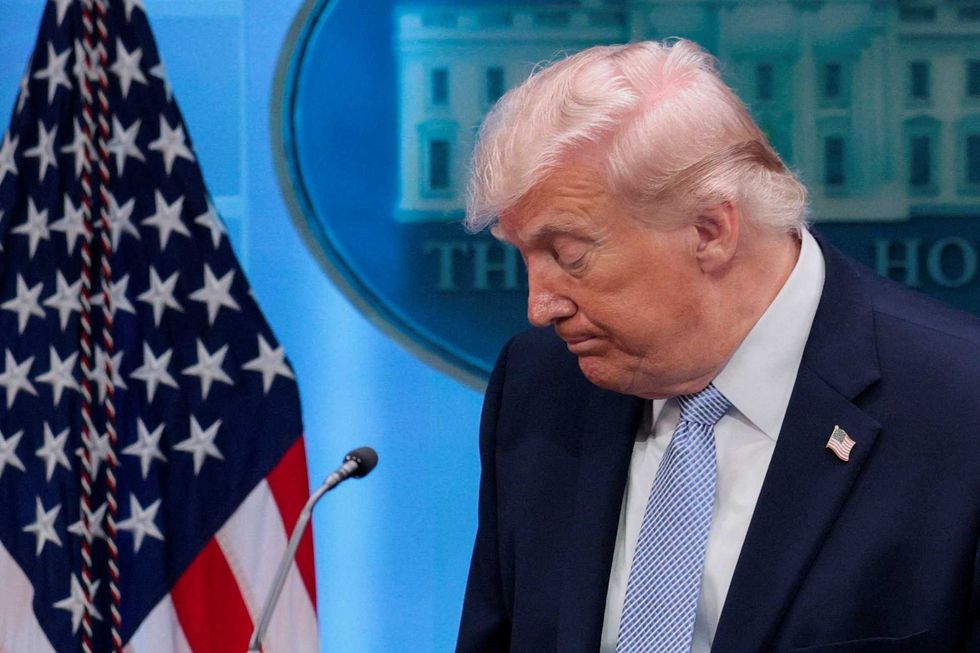
This reaction was perfectly illustrated when a chorus of critics took to the airwaves to rip Donald Trump as "one of the worst negotiators in the world" regarding peace talks. The critique is always the same: his style is too erratic, his demands are too bombastic, and he alienates traditional allies.
This analysis misses the point entirely.
The conventional wisdom regarding geopolitical negotiation is fundamentally flawed because it confuses the process of diplomacy with the objective of strategy. What the establishment calls "bad negotiation" is often a deliberate, highly effective application of game theory that disrupts stagnant, losing positions.
The Myth of the Win-Win in High-Stakes Diplomacy
Mainstream international relations theory loves the concept of positive-sum negotiation. Academics teach that the goal of any summit is to find a mutually beneficial middle ground where all parties leave satisfied.
In the real world, that is a fantasy.
When dealing with deeply entrenched geopolitical conflicts, the status quo exists precisely because a win-win solution is impossible under current parameters. If a simple compromise were available, lower-level bureaucrats would have signed off on it years ago. Major conflicts persist because they are zero-sum games where one side's gain is directly tied to another's loss.
In these environments, traditional polite diplomacy does not resolve conflicts; it merely subsidizes them. It creates an endless cycle of summits, committees, and working groups that prolong the tension while allowing diplomats to collect frequent flyer miles.
True disruption requires changing the payoffs of the game itself. To do that, a negotiator cannot behave predictably.
The Rationality of Irrationality
To understand why traditional critics fail to comprehend unconventional negotiation, look at basic game theory. Specifically, consider Thomas Schelling’s "madman theory" or the strategy of commitment.
Imagine a scenario where two drivers are heading toward each other on a narrow road in a game of chicken. The conventional, "expert" negotiator advises driving at a steady speed, signaling clearly, and hoping the other driver respects the rules of the road so both can safely swerve at the last second.
The contrarian negotiator takes a different approach. They visibly yank the steering wheel off the column and throw it out the window.
Suddenly, the other driver realizes that negotiating, pleading, or playing chicken is useless. The first driver has lost the ability to swerve, even if they wanted to. The burden of avoiding a catastrophic collision shifts entirely to the opponent.
When a leader behaves erratically, threatens total economic disruption, or walks away from long-standing agreements, they are throwing the steering wheel out the window. It is not madness; it is a calculated moveset designed to force an opponent out of a comfortable, dug-in position. The establishment calls this reckless. In reality, it is the only way to break a diplomatic stalemate.
Why the Establishment Hates Friction
The foreign policy apparatus values predictability above all else because predictability protects the institution. I have watched corporate boards and political committees make the exact same mistake. They would rather march steadily toward a predictable, mediocre failure than risk a volatile, unpredictable success.
When a negotiator uses unpredictable tactics, they create massive discomfort for their own team. Bureaucrats hate friction because it forces them to adapt in real time without a pre-approved script.
Consider the standard critique of tariff threats used as negotiation leverage. Economists frequently argue that tariffs hurt domestic consumers and disrupt supply chains. They are correct on the micro-level. But they fail to see the macro-level strategic utility.
A tariff threat is not a permanent economic policy; it is a tool to alter the cost-benefit analysis of the adversary. If an opponent believes you are too rational, too polite, or too worried about short-term market fluctuations to ever impose economic pain, they have no incentive to make concessions. By demonstrating a willingness to absorb short-term domestic pain to achieve a long-term strategic objective, a negotiator fundamentally alters the calculus of the opposing state.
Dismantling the Expert Consensus
Let us address the questions that commentators always ask, which reveal just how broken their perspective is.
The most common question is: How can you build trust with adversaries if you constantly change your position?
This question assumes that international relations run on trust. They do not. They run on power, national interest, and leverage. Nations do not keep treaties because they like each other; they keep treaties because the cost of breaking them is too high.
A negotiator who prioritizes being viewed as "trustworthy" by an adversary has already lost. The goal is not to be liked; the goal is to create a framework where compliance is the adversary's only logical choice.
Another frequent complaint is: Does this style of negotiation alienate traditional allies?
Yes, it does. And sometimes, that is exactly what is required.
Alliance structures often suffer from the free-rider problem. Over decades, allies become complacent, outsourcing their security costs and strategic responsibilities to a central superpower while pursuing their own economic advantages. By creating strategic ambiguity and refusing to offer unconditional guarantees, a leader forces allies to reassess their own contributions. It creates a healthier, more balanced alliance in the long run by eliminating the expectation of a blank check.
The Hidden Cost of the Unconventional Approach
A truly honest assessment requires acknowledging the downside of this contrarian methodology. It is not a silver bullet, and it carries immense risk.
The primary danger is miscalculation. When you rely on high-stakes brinkmanship and strategic ambiguity, the margin for error shrinks to near zero. If the opponent reads your calculated irrationality as a bluff and refuses to blink, you are forced to either execute a highly damaging threat or back down completely, destroying your future credibility.
Furthermore, this strategy requires absolute control over your internal apparatus. If your own team leaks that the erratic behavior is merely an act, the leverage evaporates instantly. It demands a level of internal discipline that open, democratic systems rarely possess for long periods.
Stop Misunderstanding Power Dynamics
The critics who sat in television studios ripping unorthodox peace talks failed to realize that negotiation is not a debating society. It is an exercise in the application of leverage.
The establishment's preferred method—long, quiet consultations that result in toothless agreements—gives the illusion of progress while the underlying crisis worsens. Unconventional negotiation compresses the timeline, forces hidden agendas into the open, and forces adversaries to make hard choices they would otherwise avoid forever.
Do not judge a negotiator by whether they follow the etiquette manual written by the people who haven't won a decisive diplomatic victory in thirty years. Judge them by how effectively they shift the parameters of the game to force a resolution. Anything less is just administrative theater.