Getting your identity hijacked by generative software feels like a violation that lingers long after you close the browser tab. When survivors of digital forgery look to Washington for protection, they expect lawmakers to treat image-based sexual abuse with the urgency of a public crisis. Instead, survivors get stonewalling, political friction, and excuses.
House inaction on vital anti-abuse legislation hits victims as an explicit betrayal. While generative artificial intelligence tools make creating non-consensual intimate imagery cheaper and faster, the machinery of Capitol Hill often grinds to a complete halt over petty rivalries and procedural gridlock.
The Reality of Digital Abuse
The numbers paint a bleak picture of online safety. Studies show that an overwhelming majority of deepfakes circulating online target women and girls without their consent. High-profile figures and everyday citizens alike find their likenesses weaponized into graphic forgeries.
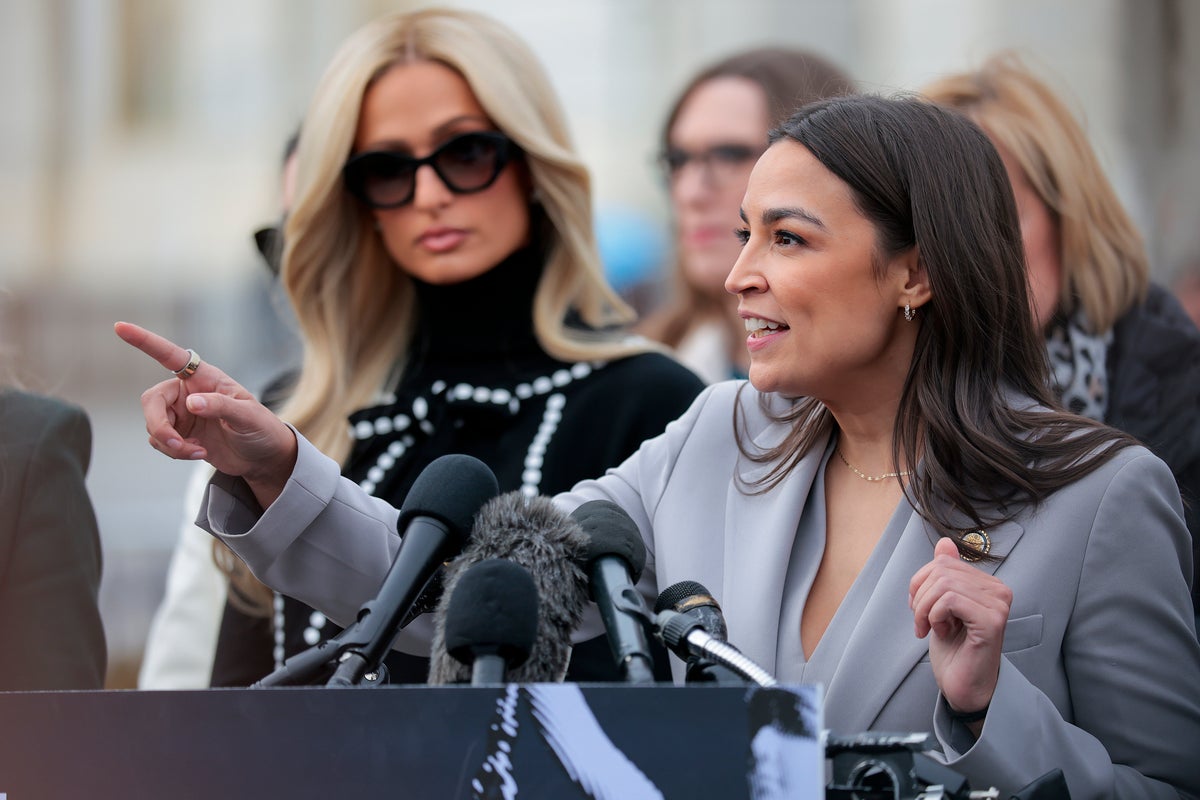
Representative Alexandria Ocasio-Cortez has spoken publicly about the visceral shock of discovering an AI-generated image of herself. That experience mirrors physical assault because the core mechanism is identical. It is about power, domination, and violent public humiliation.
When lawmakers delay or block legislation like the DEFIANCE Act—which aims to give survivors a federal civil right of action to sue perpetrators—they send a dangerous message. They signal that the psychological destruction of digital victims matters less than political posturing.
Where the Legislative Process Breaks Down
Passing federal accountability measures should be straightforward when bad actors use code to ruin lives. Bipartisan momentum exists, yet bills stall in committee rooms due to backroom disagreements.
- Partisan friction: Lawmakers often tie up essential safety bills to score cheap political points.
- Willful ignorance: Some politicians simply do not grasp how fast generative technology evolves.
- Platform lobbying: Tech interests push back against strict compliance mandates, slowing down the legislative clock.
While the TAKE IT DOWN Act established criminal penalties and rapid removal requirements for online platforms, civil recourse for victims remains an uphill battle. Survivors need the ability to hold creators, distributors, and possessors financially accountable. Blocking those pathways leaves millions exposed to ongoing digital harassment with zero legal recourse.
What Needs to Happen Now
Waiting for Congress to fix its internal culture isn't a strategy. Survivors, advocates, and tech accountability groups must keep turning up the heat on stalling representatives. If your congressional representative refuses to back comprehensive federal protections against digital forgery, call their office and demand answers. Real change happens only when the political cost of doing nothing outweighs the comfort of obstruction.
AOC says her anti-deepfake porn Defiance Act is being blocked over 'personal beef'
Note: The video above provides additional context regarding the political hurdles facing anti-deepfake legislation in Washington.