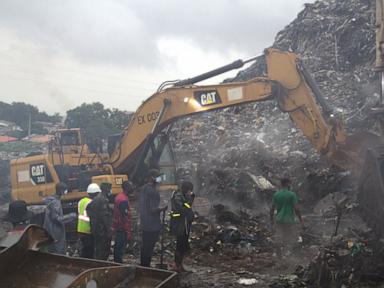
Thirty people died in the middle of the night when a towering mountain of trash collapsed onto a crowded neighborhood in Conakry, Guinea. Heavy seasonal rains turned the massive Dar Es Salam open-air dump into an avalanche of sliding waste. Tents and shacks were flattened instantly.
The disaster struck at roughly two in the morning in the Gbessia commune. Officials confirmed that six people suffered serious injuries while dozens more sustained lighter wounds. Heavy machinery and emergency response teams descended on the site to sift through unstable mounds of refuse. For families like Cire Diallo, who lost five children in the collapse, the tragedy is absolute.
A Closure Order That Came Too Late
The government knew the site was a ticking time bomb. Just days before the catastrophe, the administration announced plans to shut down the Dar Es Salam dump and relocate waste processing outside the capital. Officials cited extreme safety hazards, particularly during the brutal West African rainy season.
Eviction notices went out to locals living in the shadow of the garbage mountain. But notices don't provide alternative housing. Severe poverty leaves millions with few choices other than squatting near hazardous industrial zones. Prime Minister Amadou Oury Bah visited the wreckage to survey the damage, while critics pointed out that warnings failed to translate into swift, preventive evacuations.
The Resource Paradox
It is a bitter contradiction. Guinea sits on monumental natural wealth, holding the world's largest bauxite reserves and massive untapped iron ore deposits. Billions flow through mining ventures, yet infrastructure spending lags far behind. World Bank data shows millions of citizens scraping by on less than four dollars a day. Urban planning often takes a backseat to industrial extraction, leaving densely populated cities vulnerable to predictable environmental shocks.
Open-air dumps sitting adjacent to informal settlements represent a systemic failure across many developing urban centers. Monsoons and torrential downpours amplify these risks year after year, turning neglected garbage sites into vertical hazards.
Search operations continue as authorities try to clear the debris and account for anyone still missing under the tons of waste. Medical teams are treating the injured, but the broader challenge of managing urban waste in rapidly growing African capitals remains completely unresolved.


