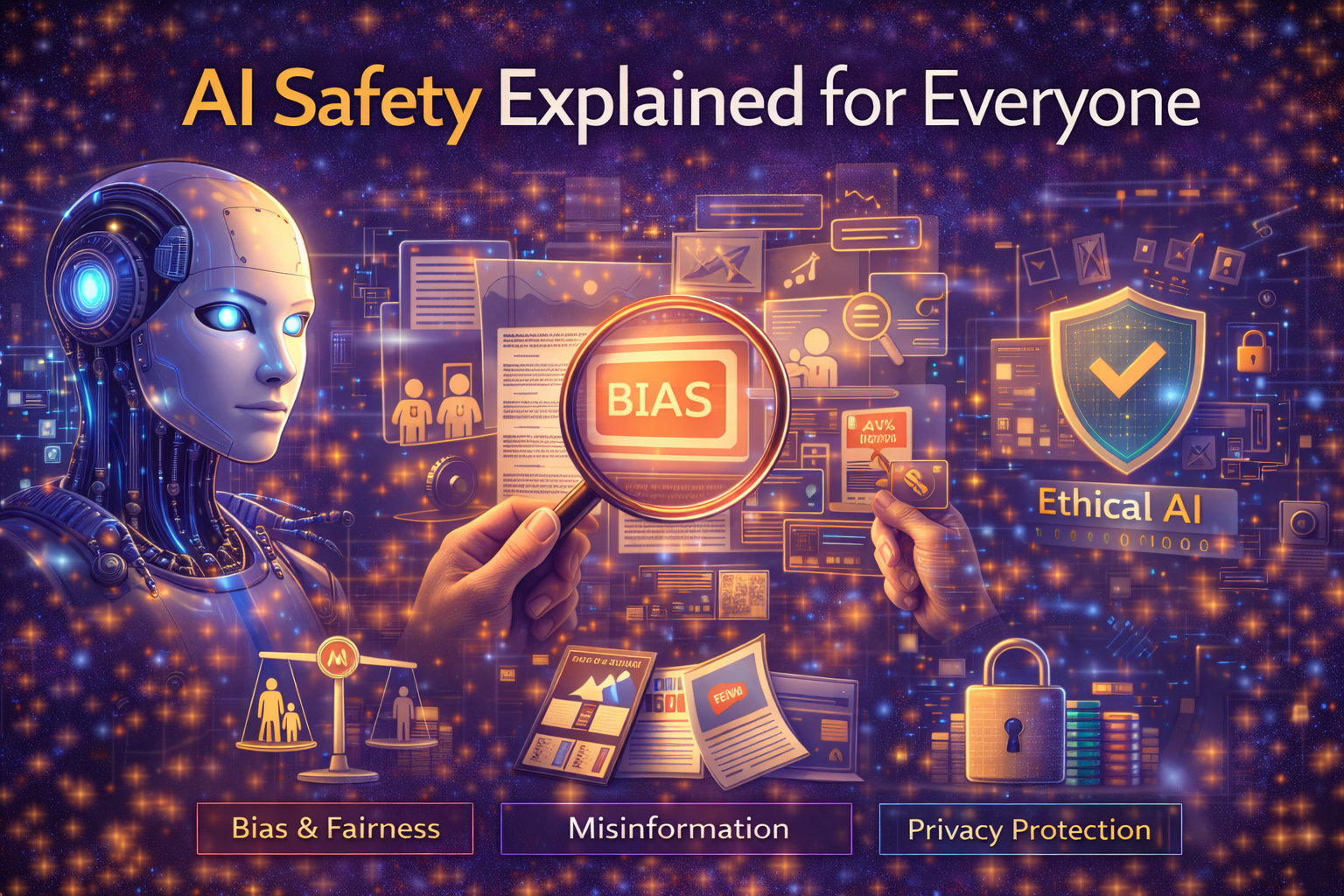
Artificial intelligence pacing has become the latest ideological battleground where commercial self-interest collides with political expedience. When regulatory proposals emerge from corporate boardrooms, the motives are rarely altruistic. Sam Altman calling for regulatory guardrails while Donald Trump aggressively dismisses catastrophic risk exposes a profound fracture in how power views intelligence amplification. One side wants to pull the ladder up through legislative capture. The other views restraint as an unnecessary anchor on national dominance.
Strip away the Washington press briefings and Silicon Valley PR campaigns, and the core disagreement is about speed and control. OpenAI advocates for structured oversight not out of sudden civic virtue, but because established players thrive when compliance costs rise. Startups cannot afford legal compliance teams. Monopolies can. Meanwhile, political operators look at global competition with China and view any domestic deceleration as an unforced error.
This dynamic defines the modern technological landscape. We are watching a high-stakes poker game where the chips are compute clusters and talent pools, and neither player trusts the other.
The Economics of Precaution
Safety theater is good business. When major lab executives testify before Congress wearing expressions of grave concern, they are engaged in a sophisticated form of market fortification. By emphasizing existential risks, they frame themselves as responsible stewards capable of handling dangerous instruments.
Consider the mechanics of regulatory capture in emerging sectors. If a governing body establishes strict testing thresholds, third-party audits, and licensing requirements for foundational models, the barrier to entry shifts drastically. A couple of engineers in a garage can no longer train a frontier model if they require millions in compliance capital.
The strategy works because fear sells better than open markets. When the public hears warnings about recursive self-improvement and loss of human control, they demand government intervention. The irony is that the intervention requested usually cements the market position of the firms already leading the race.
Altman positioning OpenAI as a cautious architect of artificial intelligence pacing is a masterclass in this positioning. He wants the world to believe that only a select few organizations possess the maturity to manage exponential scaling.
The Political Counter-Narrative
Donald Trump operates from a fundamentally different philosophical premise. In his view, deceleration is synonymous with defeat. The logic is brutally straightforward. If American firms slow down to appease risk modelers, foreign adversaries will accelerate to fill the vacuum.
This perspective resonates with industrialists who view technology policy through a geopolitical lens. To the political right, safety concerns often look like bureaucratic obstruction designed to handicap domestic enterprise. The insistence that catastrophic risks are overstated stems from a pragmatic skepticism of administrative expansion. Why surrender economic momentum based on theoretical models of machine superintelligence when tangible economic gains are on the table today?
The friction between these worldviews creates an unstable policy environment. You have labs lobbying for rules they can easily absorb, counterbalanced by political figures who view any friction on capital as hostile.
The Reality of Algorithmic Vulnerability
Beneath the political posturing lies the actual engineering reality. Current large language models are sophisticated pattern matchers operating on astronomical amounts of scraped data. They do not possess sentient agency, hidden motivations, or malicious intent.
However, they do present acute, immediate hazards that have little to do with science fiction nightmares. Automated disinformation campaigns, credential theft at scale, algorithmic bias in hiring, and the automated generation of social engineering attacks are happening right now.
When political leaders downplay risk, they often conflate existential sci-fi scenarios with mundane operational vulnerabilities. Dismissing the risk of artificial intelligence entirely because machine consciousness is a distant abstraction ignores the very real damage malicious actors can inflict using off-the-shelf weights.
Conversely, when corporate leaders hype existential risk, they distract from labor displacement, copyright infringement, and energy grid strain. Both narratives serve to obscure the mundane, grinding realities of technological disruption.
The Infrastructure Bottleneck
The debate over pacing is ultimately constrained by physics and economics, regardless of what politicians or executives claim. Training frontier models requires staggering amounts of electricity, specialized silicon, and cooling infrastructure.
You cannot simply will a thousandfold increase in intelligence into existence without power plants and fabrication facilities. The real governor on progress is not government legislation or corporate restraint, but the physical limits of semiconductor supply chains and energy grids.
When leaders argue about whether to hit the accelerator or the brakes, they are ignoring the fact that the road itself is running out of asphalt. Power utilities are already pushing back against data center expansion. Water supplies for cooling are facing local resistance.
The collision between political ambition and corporate survival will not be resolved by a legislative compromise or a presidential decree. It will be settled by the hard limits of capital expenditure and resource availability.
The race continues because stopping is economically catastrophic for any single actor. If one lab pauses, its competitors capture the market. If one nation halts development, its rivals secure technological hegemony.
We are locked into an upward trajectory driven by competitive anxiety. The rhetoric in Washington and San Francisco will continue to shift as elections pass and markets fluctuate, but the underlying momentum remains entirely unchecked.