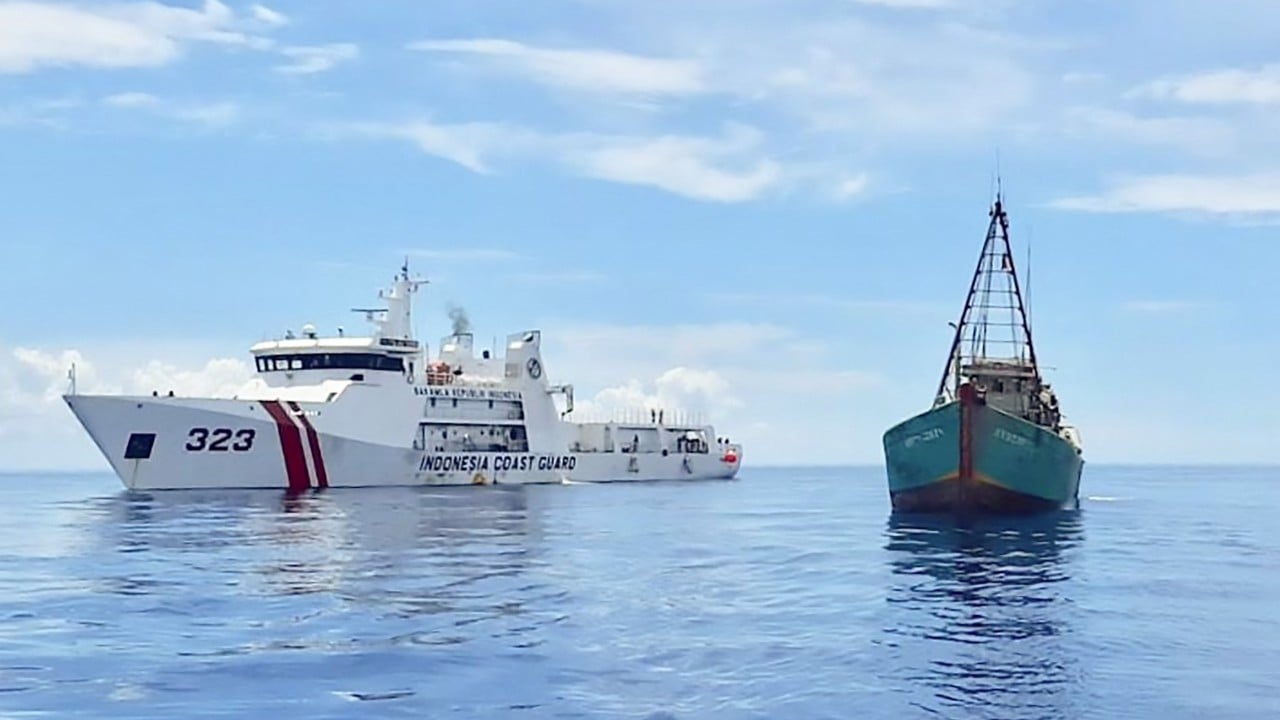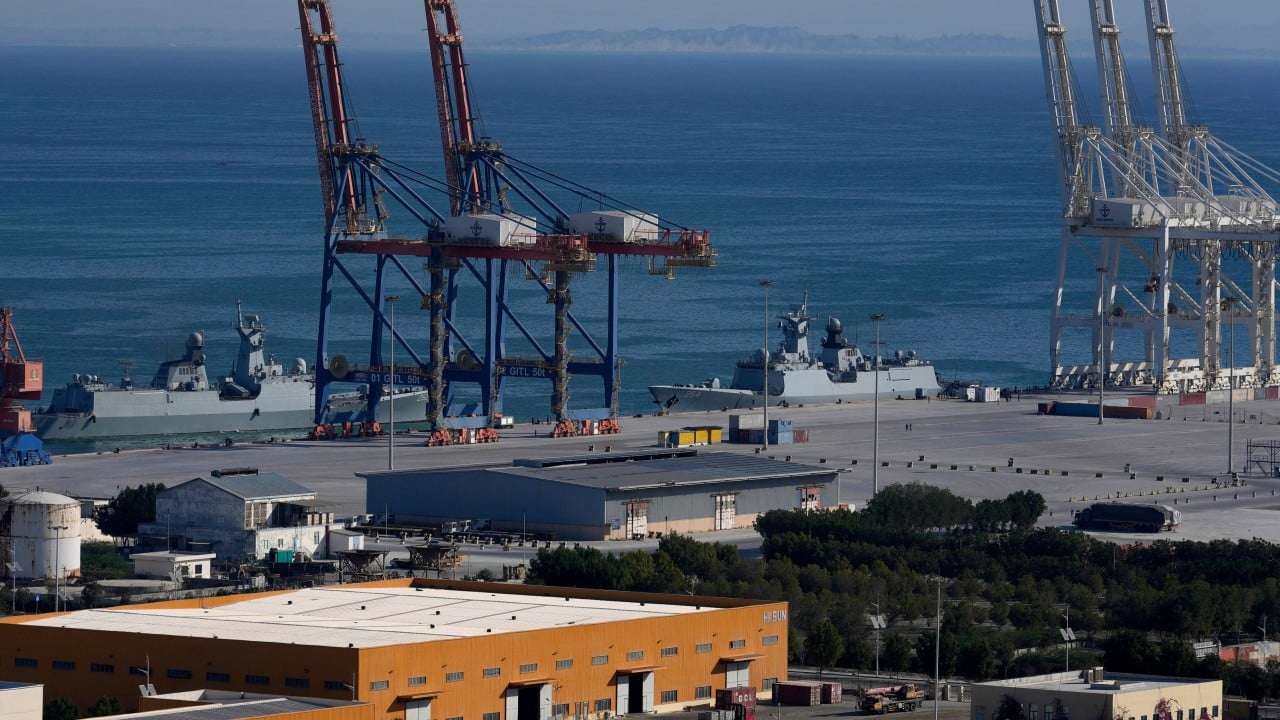
Two naval vessels scraping paint in international waters rarely triggers a diplomatic panic. When those ships belong to India and Pakistan, however, a minor navigational error transforms instantly into a high-stakes geopolitical standoff.
The incident in the Arabian Sea, which prompted both New Delhi and Islamabad to summon each other’s senior diplomatic representatives, laid bare the fragility of maritime confidence-building measures in one of the world's most heavily militarized corridors. It is an event that exposes how quickly routine operations can slip toward confrontation when mutual suspicion forms the baseline of bilateral relations.
The Anatomy of a Maritime Mishap
Modern warships are equipped with advanced radar suites, automatic identification systems, and bridge teams trained to calculate collision avoidance vectors down to the fraction of a degree. Yet accidents happen. Heavy commercial traffic, adverse sea states, or momentary lapses in watchkeeping can compress reaction times from hours to seconds.
Maritime collisions between rival states carry an inherent ambiguity. Military analysts look immediately beyond the mechanical details of rudder angles and engine telegraphs to examine intent. Was this a genuine navigational failure resulting from crowded shipping lanes and electronic interference, or was it a calculated game of tactical chicken pushed one meter too far?
Neither capital is waiting for a joint maritime commission to sort out the truth. Instead, both foreign ministries moved with practiced speed to summon high commissioners and deputy high commissioners, issuing formal demarches designed to establish narrative dominance before the initial wake had even settled. In the theater of South Asian statecraft, perception remains the primary currency.
The Fragile Architecture of Arabian Sea Deconfliction
The Arabian Sea serves as a critical artery for global commerce and energy transit, flanked by littoral states with deeply entrenched security dilemmas. Decades of naval modernization programs have flooded these waters with frigates, destroyers, submarines, and intelligence-gathering craft from both sides of the border.
In theory, bilateral agreements exist to prevent kinetic escalation at sea. Protocols governing the treatment of diplomatic personnel, communication links between maritime headquarters, and pre-notification procedures for missile tests are designed to act as shock absorbers.
In practice, those mechanisms are only as reliable as the political will behind them. When bilateral ties remain frozen—as they have since the 2019 revocation of Jammu and Kashmir's special status—hotlines gather digital dust and formal communication channels default to adversarial posturing. A collision at sea ceases to be a mere coast guard matter; it becomes a stress test for crisis management structures that have been systematically hollowed out by years of diplomatic neglect.
Domestic Audiences and the Urgency of Retaliation
To understand why a bruised hull on an offshore patrol vessel or frigate warrants a midnight diplomatic summons, one must examine the domestic political topography of both nations.
In both countries, foreign policy is frequently consumed through the lens of internal security and nationalist pride. State media and domestic broadcast networks thrive on high-decibel confrontations. A perceived slight on the high seas cannot be quietly resolved through backchannel naval consultations without inviting political vulnerability from domestic critics and opposition factions.
Summoning a diplomat is a visible, measurable act of displeasure. It tells the domestic electorate that the government is vigilant, unyielding, and prepared to contest every inch of sovereign space, whether on land or at sea. It matters little that naval experts privately acknowledge the statistical inevitability of occasional close-quarters incidents in congested waters. The political imperative demands friction, not resolution.
Beyond the Hull Damage
As the diplomatic notes are filed and the public posturing recedes from the evening news bulletins, the underlying strategic reality remains unchanged. The Arabian Sea will continue to host overlapping patrols, intelligence sweeps, and competitive posturing by two nuclear-armed neighbors whose maritime doctrines are shaped by historical trauma rather than cooperative security frameworks.
The minor scrape of steel against steel serves as an early warning indicator. It demonstrates that as naval fleets expand and operational tempos accelerate, the margin for error in the region is shrinking toward zero.
Next time, the weather might not be as forgiving, and the bridge teams might not react with the split-second restraint required to turn a potential disaster into a diplomatic shouting match.