The aroma hits you the second the automatic sliding doors hiss open. It is a warm, rich wave of seasoned salt, roasting fat, and crisping skin. It smells like Sunday afternoon. It smells like home.
Follow that scent to the back of almost any American supermarket, and you will find them spinning slowly under the golden glow of heat lamps. Rotisserie chickens. They are cheap, they are deeply comforting, and they are entirely cooked. For a tired parent pulling a double shift, they are a lifeline. For a college student stretching a final twenty dollars, they are three days of protein. For a deeper dive into similar topics, we recommend: this related article.
But for millions of Americans, that golden light marks a hard, invisible border.
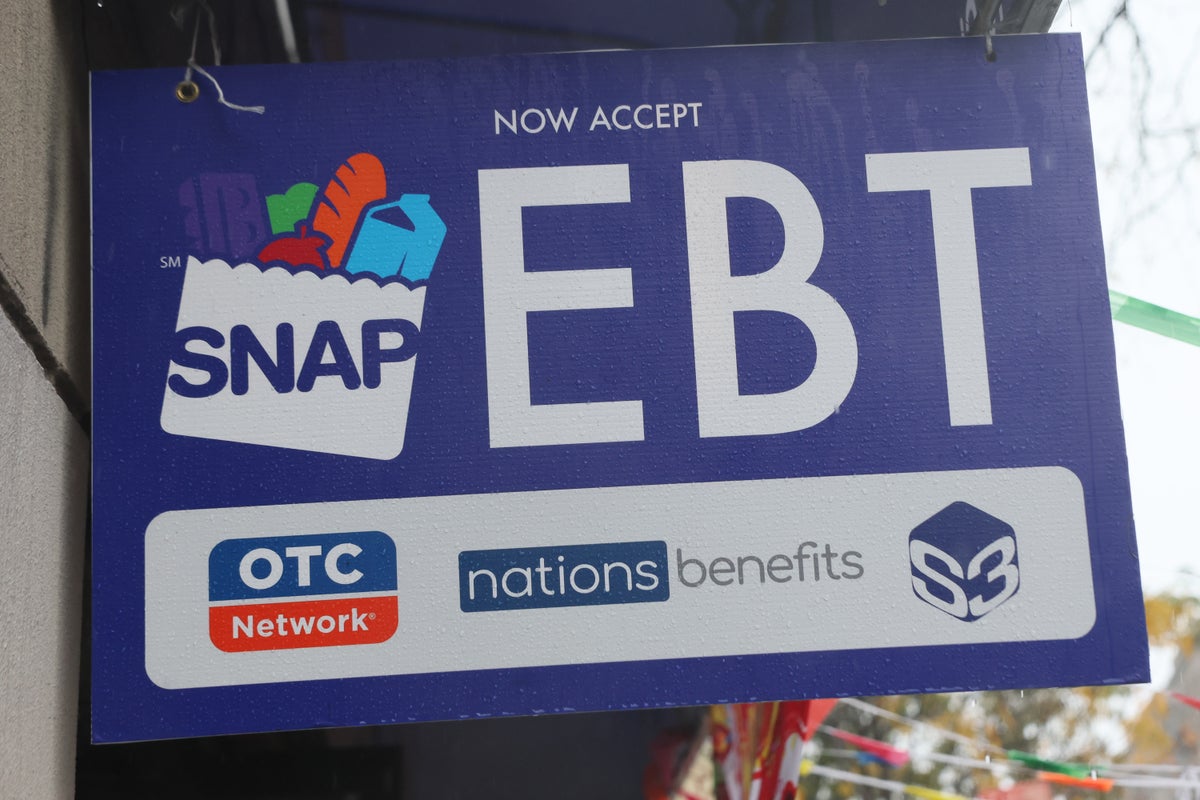
If you pay with a plastic card loaded with federal food stamps, officially known as the Supplemental Nutrition Assistance Program (SNAP), you can buy a raw, ice-cold chicken covered in plastic wrap. You can take it home, find a working stove, spend an hour of electricity cooking it, and feed your family. But if you reach for the hot, fully cooked bird sitting six inches away on the heated shelf, the register will beep. The transaction will fail. To get more background on the matter, in-depth reporting can be read at USA Today.
A bureaucratic wall separates the cold chicken from the hot one. It is a restriction born in a different era, designed for a world that no longer exists. Now, a quiet legislative push is attempting to tear that wall down, altering the daily reality of grocery shopping for over forty million people.
The Anatomy of an Empty Kitchen
Consider a hypothetical shopper named Elena.
Elena is forty-two, lives in an apartment with a temperamental gas stove, and works as an assistant manager at a retail pharmacy. Her shifts end at seven in the evening. Her two kids need to eat, do homework, and get to bed. When she walks into the supermarket with her electronic benefits transfer (EBT) card, she is not looking for a culinary adventure. She is looking for time.
Time is the one commodity Elena cannot afford, yet the law mandates she spend it.
Under the current federal rules, SNAP benefits cannot be used to purchase hot foods or foods ready for immediate consumption at the point of sale. The logic, drawing back to the origins of the program in the mid-twentieth century, was simple enough. The government wanted to ensure tax dollars were spent on groceries to be prepared at home, preventing funds from being used at fast-food restaurants or luxury delis. Food assistance was meant for ingredients, not convenience.
But the line between ingredient and convenience has blurred into oblivion.
Elena stands in front of the deli counter. A cold, pre-packaged club sandwich is eligible for SNAP. A hot container of soup is not. A refrigerated, pre-cooked meatloaf that she has to microwave at home is perfectly fine. The identical meatloaf kept warm under a heat lamp is contraband.
This is not just a quirk of policy. It is a daily tax on the poorest shoppers. To eat the food she can legally buy, Elena must possess a functioning kitchen, the money to pay her utility bills, and the physical hours required to chop, sear, and clean. If her stove is broken, or if her electricity was cut off this month, her options shrink dramatically. She is forced to rely on cold, shelf-stable, and often heavily processed items.
The system essentially penalizes the lack of infrastructure. It demands that a recipient possess not just hunger, but a fully operational domestic life.
The Historical Ghost in the Machine
To understand why a hot chicken is a political battleground, you have to look at the architecture of American welfare. The program was built during an era when the typical American household featured a single breadwinner and a full-time homemaker who had the hours to devote to scratch cooking.
That world is gone.
Today, the vast majority of SNAP recipients who can work do work. They are the people stocking shelves overnight, cleaning hospital rooms, and driving delivery vans. They do not have a dedicated homemaker waiting at home to turn a raw turnip and a bag of dry beans into a stew.
The restriction creates a strange, unintended psychological weight. Imagine standing in a crowded grocery line, your kids whining at your hip, your feet aching from an eight-hour shift on concrete floors. You slide your EBT card through the reader. The screen flashes an error code because a container of roasted potato wedges chanced to be warm when the cashier scanned it. The people behind you shift their weight. They look at their watches. You feel the heat rise in your neck.
Shame.
It is an efficient tool for keeping people small. The current law accidentally codifies this shame by drawing an arbitrary line between what is deemed a "luxury" and what is deemed a "necessity." Somehow, in the calculus of federal policy, the application of heat transformed a basic agricultural product into an impermissible indulgence.
The absurdity becomes even clearer when you look at how grocery stores operate today. Supermarkets have evolved. They are no longer just warehouses for raw ingredients; they are hybrid spaces, part pantry, part kitchen. The modern grocery store sells convenience because modern life demands it. By locking SNAP users out of that specific evolution, the law keeps them anchored to a past that everyone else has been allowed to leave behind.
The Cost of Cold Food
There is a health tax to this arrangement as well.
When a family cannot buy a hot, nutritious meal on a night when time and energy are depleted, they do not suddenly find the strength to assemble a balanced dinner from scratch. They look for the easiest, cheapest alternative that requires no cooking. Often, that means boxes of sodium-heavy crackers, sugary cereals, or shelf-stable pastries.
The law attempts to guide people toward wholesome cooking, but by restricting hot food, it frequently drives them straight into the arms of highly processed items.
The irony is thick. A program designed to improve nutrition ends up restricting access to one of the most straightforward, whole-protein options in the entire store. A rotisserie chicken contains minimal ingredients. It is lean. It is versatile. Leftovers can be used for lunches, soups, and sandwiches for days. Yet, because it is sold hot, it remains forbidden.
Change, however, is creeping through the halls of government.
Lawmakers have introduced legislation aimed at permanently removing this barrier, allowing SNAP benefits to cover hot foods across the board. The argument for the shift is grounded in simple human dignity and economic reality. Proponents argue that giving families the agency to choose how their food is prepared is not a radical concession. It is common sense.
A Matter of Dignity
Opponents of the change often voice fears of misuse. They worry about federal funds flowing to fast-food chains or corporate restaurants, arguing that the program should remain strictly tied to traditional grocery shopping. They envision a slippery slope where food stamps lose their connection to fundamental nutrition.
But the proposed changes largely focus on the grocery store environment itself. It is about leveling the playing field within the very aisles where SNAP is already accepted. It is about letting a mother buy the same chicken that her neighbor buys, without a bureaucratic filter deciding that her lack of wealth means she must also lack the right to a quick dinner.
Think back to Elena.
If the law changes, her evening routine transforms. She walks into the store. She picks up a hot chicken, a bag of pre-washed salad, and a loaf of bread. She pays with her card. The machine approves the purchase without a sound. She goes home, unboxes the food, and sits down with her children. They eat together. There are no pots to scrub, no gas burners to fight with, and no lingering sense that she has been weighed by her government and found wanting.
She gets an hour back. An hour to talk to her children. An hour to breathe.
The debate over hot foods in the food stamp program is not truly about rotisserie chickens, nor is it about grocery store layouts or legislative semantics. It is about how we view poverty in America. It is about whether we believe that people facing financial hardship deserve the same modern grace periods and conveniences that the rest of society takes for granted.
We have spent decades treating convenience as a reward for success, rather than a necessity for survival in a fast-moving world. By changing a few lines of text in a massive farm bill, we can change the texture of Tuesday nights for millions of families. We can let them take the hot food home.