The air inside the Vienna hotel room smelled of stale espresso and dry-cleaned suits. It was July 2015. Outside, the summer heat baked the cobblestones, but inside, a group of exhausted diplomats stared at a document that had taken twenty months of sleepless nights to draft. When the Joint Comprehensive Plan of Action—the Iran nuclear deal—was finally signed, people cheered in the streets of Tehran. In Washington, there were sighs of relief. For a brief moment, the world felt a little safer, as if a wire had been successfully clipped on a live bomb.
But treaties are not written in stone. They are written on paper, and paper burns.
To understand why the ghost of this deal still haunts global politics today, you have to look past the dense jargon of centrifuges and enriched uranium. You have to look at the human calculus of fear and survival. The conflict between Iran and the West is often presented as a dry timeline of sanctions and compliance reports. In reality, it is a high-stakes psychological thriller where every player is trapped by their own history.
Imagine a neighborhood where two houses face each other, both owners convinced the other is waiting for the cover of night to burn their home down. One neighbor builds a massive security fence; the other buys a shotgun. Every action meant to secure peace only confirms the other side's worst fears. That is the cycle that has governed relations between Washington and Tehran for decades.
The 2015 agreement was an attempt to break that loop. Iran agreed to mothball the vast majority of its gas centrifuges, pour concrete into the core of its plutonium reactor, and open its doors to the most intrusive international inspections in human history. In exchange, the world promised to lift the crushing economic sanctions that had choked the Iranian economy, allowing ordinary citizens to buy medicine, sell oil, and reconnect with the global marketplace.
It was a delicate balance of levers and gears. Then, someone threw a wrench into the machine.
The year 2018 brought a sudden shattering of the status quo. When the United States unilaterally walked away from the table and reimposed a policy of "maximum pressure," the economic shockwave hit Iranian households instantly. This was not a abstract policy shift. It was a father in Isfahan realizing his monthly salary now bought half as much meat. It was a mother searching three different pharmacies for imported cancer medication that was suddenly stuck behind a wall of banking restrictions.
When diplomacy fails, the vacuum is never left empty. It is filled by the hardliners.
In Tehran, the political factions who had argued that the West could never be trusted were vindicated overnight. The leverage shifted. Iran responded not by backing down, but by doing exactly what the deal had prevented: spinning the centrifuges again, purifying uranium to higher and more dangerous levels, and limiting the access of international monitors.
Consider what happens when uranium enrichment reaches 60 percent purity. It is a technical milestone, but more importantly, it is a psychological threshold. It is the moment where the distance between a civilian energy program and a nuclear weapon shrinks from years to mere weeks. You can hear the ticking of the clock getting louder.
The question that now hangs over the entire Middle East is simple: Is the diplomatic path dead, and is war the only remaining option?
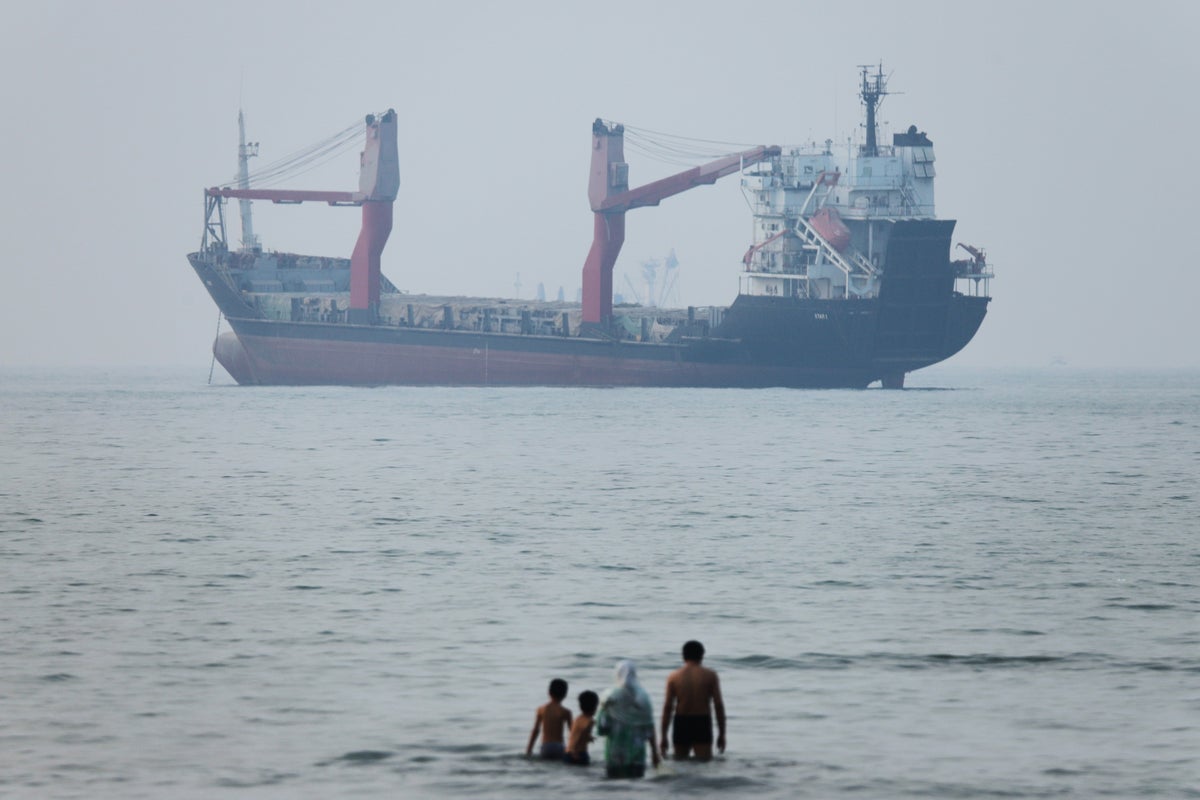
To answer that, we have to look at the shadow war that is already being fought. It does not look like the wars of the twentieth century, with massed tanks crossing borders. It happens in the dark. It is a line of malicious code crashing the cooling systems of an enrichment facility in Natanz. It is a satellite-guided machine gun striking a top nuclear scientist on a highway outside Tehran. It is a drone strike on a commercial tanker in the Gulf of Oman.
Every one of these covert actions is a gamble. The strategists who plan them believe they are deterring war by raising the cost of defiance. But history suggests a darker truth. Miscalculation is the most common trigger for catastrophe. A single drone strike that kills the wrong person, a cyberattack that accidentally cripples a civilian hospital, and the shadow war spills into the daylight.
The tragedy of the current impasse is that both sides are operating on completely rational logic based on entirely different premises.
Washington looks at Iran’s support for regional militias, its ballistic missile program, and its rhetoric, seeing an existential threat to its allies and global stability. Tehran looks at the history of Western intervention in the region, the military bases ringing its borders, and the sudden abandonment of past promises, seeing a regime change strategy wrapped in diplomatic language.
They are speaking different languages, using the same dictionary.
Meanwhile, the technology does not wait for politicians to find their courage. The knowledge required to build a nuclear weapon cannot be unlearned. Even if a new document is signed tomorrow, the ghost copy of the blueprints remains etched into the minds of scientists and the hard drives of secure servers. The leverage has permanently shifted.
We often treat international relations like a game of chess, a clean sequence of moves and countermoves. But chess pieces do not bleed. They do not lose their savings. They do not watch their children grow up under the shadow of potential annihilation. The real stakes of this conflict are found in the quiet anxieties of millions of people who just want to live their lives without checking the news every morning to see if the sky is falling.
The clock in the desert keeps ticking. The gears are turning faster now, driven by a momentum that becomes harder to stop with each passing month. The diplomats may eventually return to Vienna, sitting in the same rooms with the same stale espresso, but the paper they are trying to piece back together is badly scorched. The next time the wire needs to be clipped, the hands on the shears will be shaking.