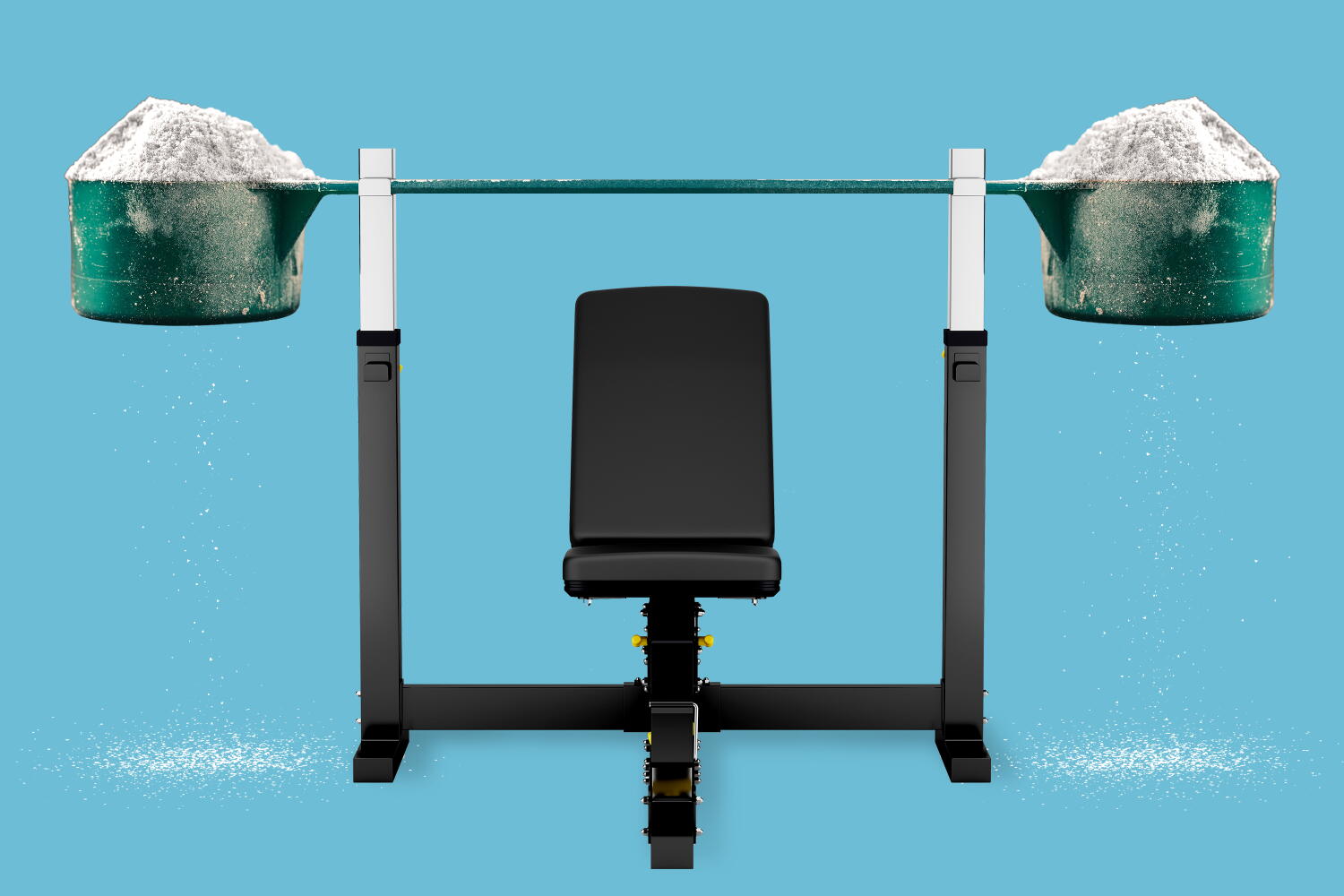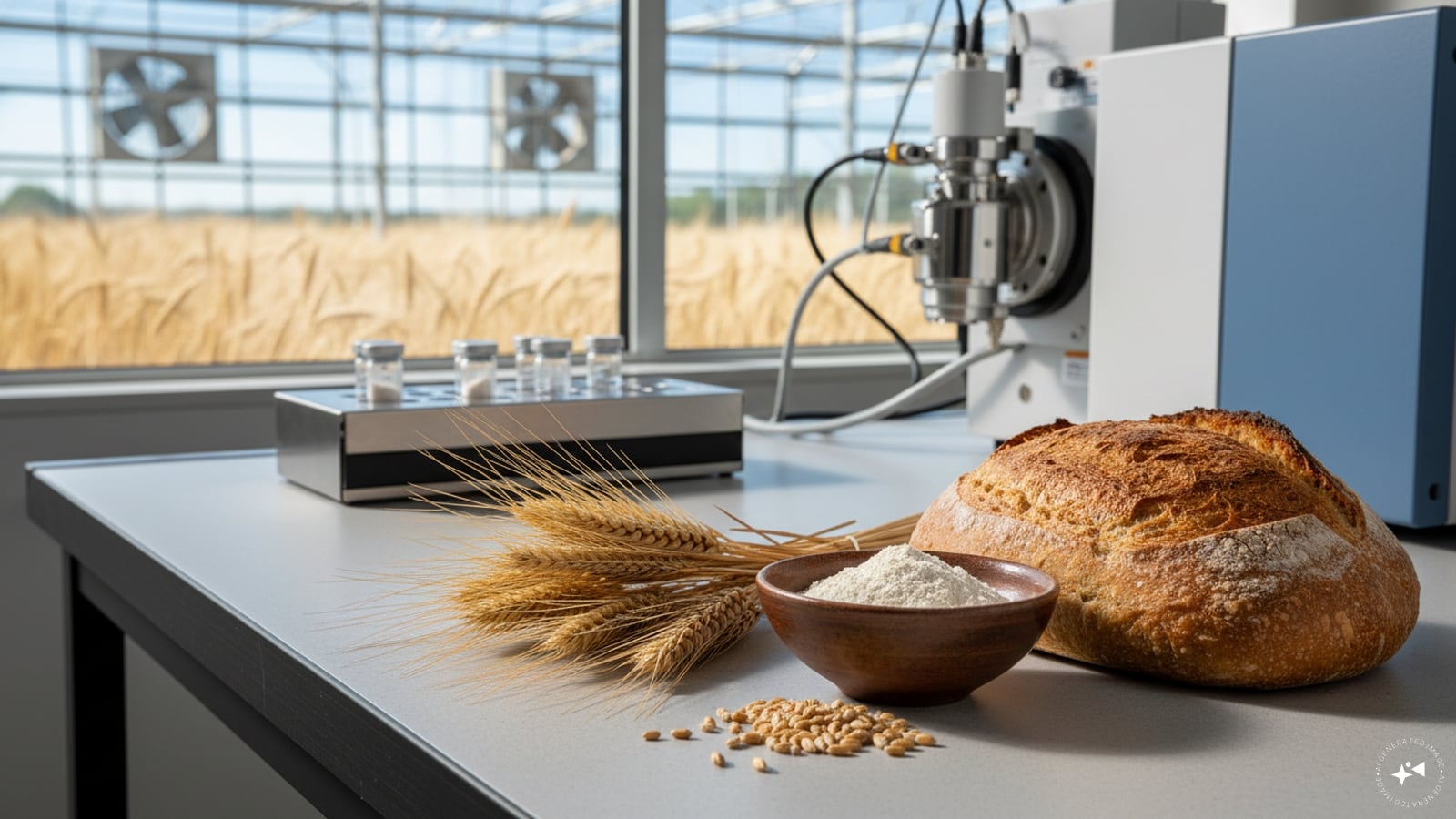
Bread isn't just bread anymore. Every single loaf on supermarket shelves relies on a delicate balance of proteins that give dough its elastic stretch, its airy rise, and that satisfying chew. Without glutenins and gliadins, your morning toast turns into a dense brick. Right now, that entire system faces a slow-motion disruption.
Rising global temperatures and climbing carbon dioxide concentrations are actively changing how crops grow. Plants don't just endure the weather; they react to it on a molecular level. Recent agricultural research highlights a troubling shift in how wheat develops its core nutritional and structural blocks. When exposed to heat stress and heavy CO2 environments, the fundamental protein composition of wheat undergoes structural changes.
You might wonder why this matters. It matters because our entire food supply chain depends on predictable crop yields and reliable quality. If the protein inside wheat alters, baking processes fail, nutritional values shift, and the agricultural economy has to scramble to catch up.
The Chemistry Behind the Crisis
Let's look at what actually happens inside a wheat stalk when the thermometer climbs. Wheat is a cool-season crop. It thrives when temperatures stay within a specific, comfortable range during the grain-filling stage—that crucial window where the plant packs starch and protein into the developing kernels.
Turn up the heat during this window, and the plant panics. High temperatures shorten the grain-filling period. The plant stops accumulating protein at the normal rate. Starch accumulation often outpaces protein synthesis, leaving you with kernels that are bloated with empty carbohydrates and stripped of valuable protein mass.
It gets worse. The ratio of specific proteins changes. The large polymers responsible for strong dough elasticity can break down or fail to form correctly. Bakers already deal with seasonal variations in flour quality, but future warming trends threaten to introduce permanent baseline shifts.
Normal Conditions -> Balanced starch and protein accumulation -> Strong, elastic dough
Heat Stress       -> Accelerated starch, stunted protein   -> Weak, crumbly structure
Researchers using open-air field facilities to simulate future climate conditions have found consistent patterns across multiple varieties of winter and spring wheat. The total nitrogen concentration in the grain drops. Since nitrogen is the primary building block of plant protein, less nitrogen means lower nutritional quality.
Beyond the Bakery
The consequences stretch far past artisanal bakeries and commercial pasta factories. Wheat provides roughly twenty percent of the calories and protein consumed by the human population globally. In many developing regions, wheat-based foods represent the primary defense against malnutrition.
When the protein content in staple wheat drops by even a small percentage, millions of people absorb less daily protein. Micronutrients often follow the same downward trajectory. We are looking at a scenario where staple foods become less nutritious simply because the atmosphere holds more carbon and the soil stays warmer for longer stretches.
Farmers aren't sitting still, though. Agronomists are racing against time to breed heat-tolerant wheat cultivars that can maintain their protein profiles under severe environmental stress. Traditional breeding methods take years, sometimes decades. Genetic markers help speed up the process, but nature moves slowly compared to the pace of industrial emissions.
What Farmers and Breeders Are Doing Now
If you talk to modern agronomists, they'll tell you the old playbook for growing wheat is dead. You can't rely on historical weather patterns when every summer breaks previous records.
Breeders are turning to wild relatives of modern wheat. These ancient varieties survived harsh droughts and brutal heat waves without human intervention. By crossing commercial lines with resilient wild ancestors, scientists are identifying genetic traits that protect protein synthesis during heat waves.
Management practices on the farm level also have to adapt. Precision nitrogen management helps ensure plants get nutrients precisely when they need them, offsetting some environmental stress. Yet, no amount of fertilizer can completely counteract the physiological shock of a prolonged heat dome over the Midwest or the European breadbasket.
The next time you slice into a fresh loaf, realize that the quiet chemistry holding that slice together is facing an unprecedented environmental stress test. Protecting our food supply means acknowledging these microscopic shifts long before they empty our grocery shelves.