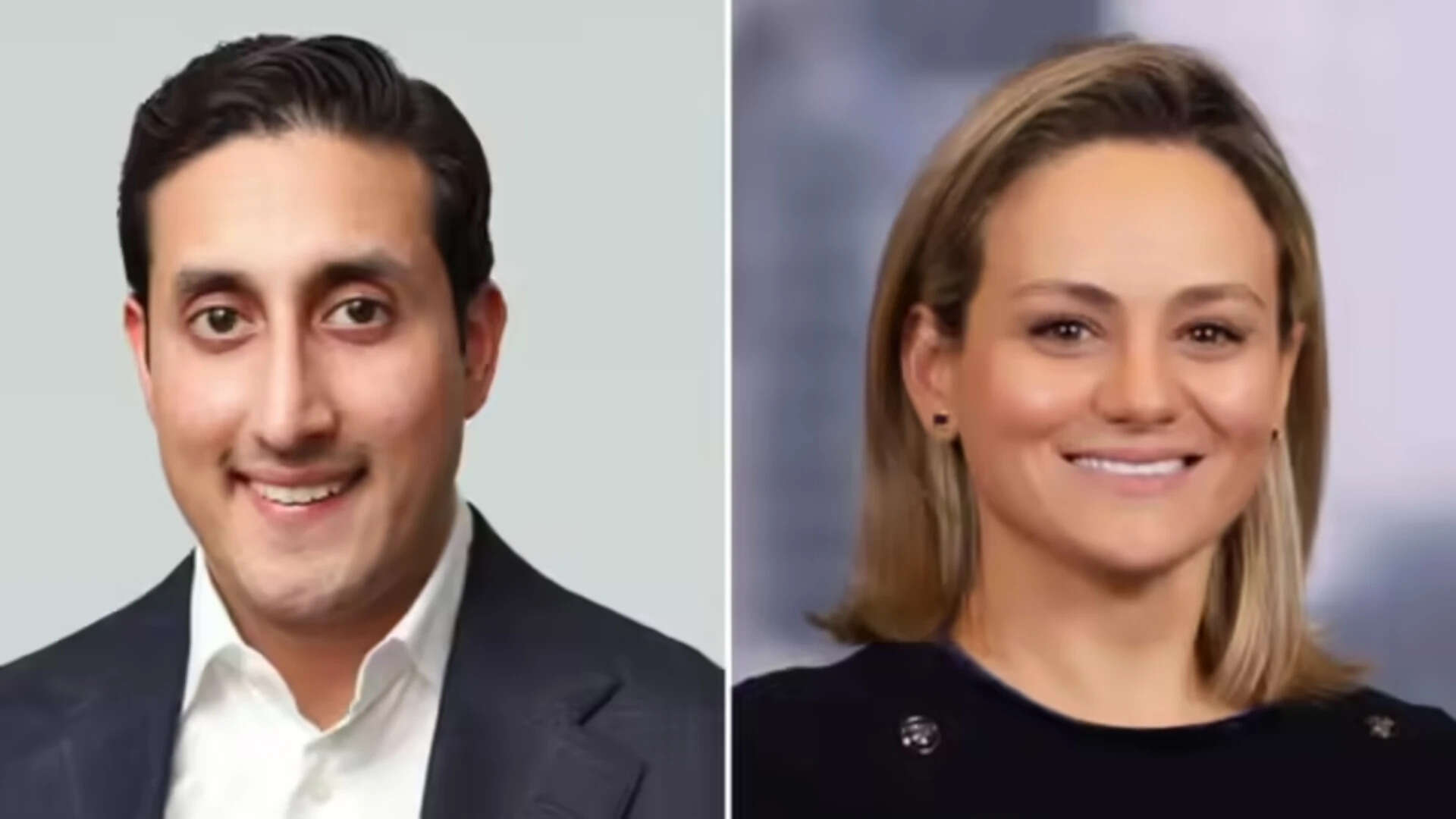
Legal battles often come down to who has the biggest gun in the room. In the brewing legal storm between Chirayu Rana and Lorna Hajdini, Rana just rolled out a heavy artillery piece that has the legal world talking. By bringing on a legal team with a track record of taking down some of the most protected figures in high society, Rana isn't just filing a lawsuit. He's sending a message.
The move to hire Spencer Kuvin—the attorney famous for representing several of Jeffrey Epstein’s victims—changes the entire energy of this dispute. It moves the conversation from a standard civil disagreement into something much more aggressive. When you hire someone who spent years navigating the dark, complex web of the Epstein case, you're looking for more than a settlement. You're looking for a total victory. Discover more on a similar subject: this related article.
Why the choice of Spencer Kuvin matters
Lawyers are like surgeons. Most can handle the basics, but only a few are specialized in high-stakes, high-pressure trauma. Spencer Kuvin falls into that second category. His involvement in the Epstein litigation wasn't just about law; it was about persistence against massive power imbalances.
By choosing Kuvin, Chirayu Rana is signaling that he believes there’s a narrative here that requires a specific kind of aggressive advocacy. This isn't a lawyer you hire for a quiet mediation. You hire Kuvin when you want the public to see the evidence and when you want the opposition to know you aren't backing down. It suggests that Rana's team sees a pattern or a level of severity in the allegations against Hajdini that justifies this level of firepower. Additional journalism by Al Jazeera highlights similar views on this issue.
The backstory of the Rana and Hajdini dispute
While the headlines focus on the lawyers, the core of the case involves serious allegations that have been bubbling under the surface for a while. Chirayu Rana, a figure with significant business interests, claims that Lorna Hajdini engaged in conduct that warrants legal intervention.
The specifics of these lawsuits often get buried in legal jargon, but it basically boils down to a breakdown of professional and personal trust. When things reach the point of a lawsuit involving high-profile attorneys, the bridge hasn't just burned—it's been demolished. Rana’s side is pushing for accountability, while Hajdini’s defense will likely have to pivot quickly to match the intensity Kuvin brings to the table.
Legal strategies in high profile lawsuits
In a case like this, the first few months are about positioning. Kuvin is known for a "scorched earth" approach to discovery. That means he'll likely go after every email, every text message, and every witness who can shed light on Hajdini’s actions.
Most people think lawsuits are won in the courtroom. They aren't. They’re won in the months of grueling paperwork and depositions that happen beforehand. If Rana’s team can find a "smoking gun" in the digital records, the case could end before it ever hits a jury. Hajdini now faces the daunting task of defending her reputation against a legal team that specialized in breaking down some of the most secretive people on the planet.
The Epstein connection and its psychological weight
Let’s be honest. Mentioning Jeffrey Epstein in any legal context immediately cranks the volume to ten. Even though the lawsuit against Lorna Hajdini is a separate matter, the association with Kuvin brings a certain "vibe" to the proceedings. It frames the case as a battle for justice against someone who might have felt they were untouchable.
It’s a classic PR move as much as a legal one. It puts Hajdini on the defensive from day one. Instead of just fighting a lawsuit, she’s fighting the implication that she belongs in the same category as the people Kuvin usually goes after. It's a heavy burden for any defendant to carry.
What happens when the spotlight gets too bright
High-profile cases like Rana v. Hajdini often take on a life of their own in the media. With Kuvin involved, you can bet that every filing will be analyzed by legal experts and tabloid readers alike. This creates a pressure cooker environment.
For Lorna Hajdini, the strategy has to be more than just "not guilty." She has to find a way to discredit the narrative that Rana is building. If she can't, the sheer momentum of Rana's legal team might overwhelm her defense. We’ve seen this happen in countless celebrity and high-net-worth disputes—the side that controls the narrative usually wins the war of attrition.
The reality of litigation costs
Cases involving attorneys of this caliber aren't cheap. We're talking about hundreds of thousands, potentially millions, in legal fees. Chirayu Rana is clearly willing to invest heavily in this outcome. This level of spending tells you two things. First, he has the resources to see this through to the bitter end. Second, he is personally invested in the result.
When one side has "infinite" resources compared to the other, the legal system can become a test of endurance. Can Hajdini keep up? Can she afford the same level of counsel? If not, the disparity in legal representation might be the deciding factor long before a judge makes a ruling.
Navigating the fallout
Regardless of the outcome, both parties will likely see their reputations changed by this. In the digital age, a lawsuit isn't just a court record. It's a permanent part of your Google search results. For Rana, this is about clearing his name or righting a perceived wrong. For Hajdini, it's about survival in the court of public opinion.
The next steps involve a series of pre-trial motions that will determine what evidence is allowed. Watch for Kuvin to push for maximum transparency. He’ll want as much of this on the public record as possible. Hajdini’s team will likely do the opposite, seeking to seal documents and keep the proceedings quiet.
Keep an eye on the discovery phase. That’s where the real story is hidden. If you're following this case, don't just look at the headlines—look at the motions to compel evidence. That’s where the cracks usually start to show. This isn't going to be a quick process. It’s going to be a long, drawn-out fight where the last person standing wins.


