The mainstream financial press is obsessed with the surface-level optics of trade deals. They see the Trump-Xi summit, they see the lifting of a fourteen-year ban on US beef, and they scream "diplomatic breakthrough." They look at Brazilian exporters and see "alarm." They are missing the entire chessboard.
China didn’t open its doors to American beef because it wanted to play nice with Washington or because it felt a sudden urge for Nebraska corn-fed ribeye. It opened those doors to create a brutal, calculated ceiling on Brazilian pricing power. This isn't a trade concession. It is the tactical weaponization of market access.
The Brazil Trap and the Myth of American Dominance
For over a decade, Brazil enjoyed a cozy, near-monopolistic stranglehold on the Chinese beef market. JBS and Marfrig became titans by feeding the rising Chinese middle class. But dependency is a two-way street. When you are the only major supplier, you have leverage—until the buyer decides to build a rival.
By bringing the US back into the fold, China effectively neutralized Brazil’s ability to dictate terms. The "alarm" felt by Brazilian exporters isn't about lost volume; it’s about the death of their margin.
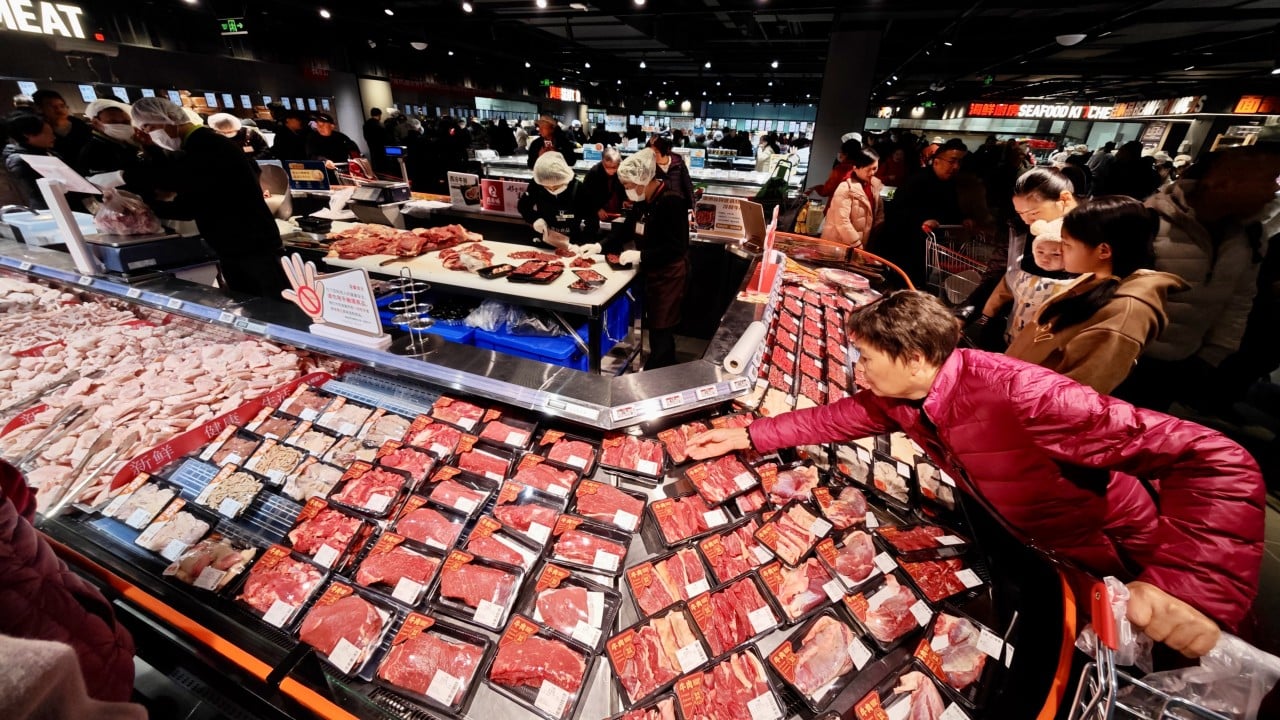
The "lazy consensus" argues that US beef is too expensive to compete with Brazilian grass-fed product. That’s a fundamental misunderstanding of how the Chinese cold chain works. China isn't buying American beef to replace Brazilian ground beef in mass-market hot pots. They are buying it to capture the high-end hotel and restaurant (HRI) sector, forcing Brazil to stay in the low-margin basement.
The Logistics of Price Suppression
Let's look at the math. US beef production is tied to grain cycles and intensive feedlot operations. It is a premium product with premium costs. Brazil, conversely, operates on vast pasture lands with lower overhead.
If China were a rational, free-market actor, they would stick with the cheapest protein source. But the CCP doesn't optimize for cost; it optimizes for control. By integrating US beef into their supply chain, they create a permanent "shadow supply." The moment Brazilian exporters try to raise prices due to currency fluctuations or environmental regulations, Beijing simply shifts its procurement quotas toward North American ports.
I’ve watched commodities traders get liquidated because they assumed "supply and demand" governed these movements. It doesn't. State-owned enterprises (SOEs) like COFCO don't care if they overpay for a few thousand tons of Iowa brisket if it helps them break the back of a Brazilian pricing hike across 200,000 tons of silverside.
Why the Traceability Argument is a Smoke Screen
One of the biggest lies told in the wake of the US-China beef deal is that "stringent quality standards" and "traceability" were the holdups.
- The Claim: China needed to ensure US beef was free of Ractopamine and growth hormones.
- The Reality: China imports from countries with far lower transparency than the US whenever it suits their strategic interests.
The "traceability" requirement is actually a technical barrier to entry that China can dial up or down like a thermostat. When they want to punish the US, they find a "trace" of a banned substance and shut down a Tyson plant in Kansas. When they need to squeeze Brazil, they suddenly find the US systems to be "world-class."
It is a bureaucratic faucet. By requiring cattle to be under 30 months of age and demanding rigorous documentation, China ensures that the US supply remains "fragile"—meaning it can be switched off for "technical reasons" the moment a political dispute arises in the South China Sea.
The Hidden Cost of the Corn Connection
There is a deeper layer to this that most analysts ignore: the corn-beef arbitrage.
The US doesn't just export beef; it exports "value-added corn." Because China has struggled with its own domestic corn production and stockpiling efficiency, importing US beef is effectively a way to import high-quality American calories without the logistical nightmare of moving bulk grain.
By pivoting toward US beef, China is outsourcing the environmental and water costs of cattle finishing to the American Midwest. They are essentially renting US soil and water, then importing the finished protein. This isn't a trade win for the US; it’s a resource drain that China has dressed up as a "concession."
People Also Ask: Is US Beef "Better" Than Brazilian?
This is the wrong question. In the world of global trade, "better" is a function of utility, not taste.
- Is it safer? Generally, yes, due to USDA oversight. But China’s "safety" concerns are almost always proxy battles for geopolitical leverage.
- Is it cheaper? No. It never will be.
- Will it dominate the market? Never. It isn't meant to. It's meant to be a 10% market share player that dictates the pricing of the other 90%.
The Reality of the "Summit Success"
Politicians love a signing ceremony. It makes for a great photo op. But the US cattlemen celebrating this deal are walking into a monopsony trap.
When you export to China, you aren't selling to "the Chinese people." You are selling to a handful of state-monitored entities. They now know exactly what it costs to produce a pound of beef in the US. They know your margins. They know your feed costs. And they will use that data to ensure you never make enough profit to diversify away from them.
Brazil learned this the hard way. They expanded their herds, cleared land, and built massive processing hubs specifically for the China trade. Now, Beijing has introduced a competitor to ensure those Brazilian hubs never see a cent of "excess" profit.
The Strategy for Survival
If you are a producer or an investor, stop looking at the "opening" of a market as a victory. Look at it as the beginning of a volatility cycle.
- Stop chasing the "China Premium." It’s a bait-and-switch. The moment you become dependent on that export volume, you lose your pricing power.
- Invest in domestic processing. The real weakness in the US beef industry isn't "market access"—it’s the fact that four companies control over 80% of the slaughter capacity. China knows this. They will play those four companies against each other until the American rancher is the one subsidizing Chinese dinner plates.
- Watch the "Technical Bans." Ignore the headlines about "Trade Wars." Watch the "Sanitary and Phytosanitary" (SPS) filings. That is where the real war is fought. When a single plant in Nebraska gets banned for a clerical error, that’s a signal that China is re-balancing its leverage back toward South America.
The "restoration" of trade isn't a return to normalcy. It is the implementation of a sophisticated, multi-polar protein strategy designed to keep every supplier—whether they are in Mato Grosso or Montana—in a state of permanent, anxious competition.
Brazil is right to be alarmed. But the US should be even more concerned. They just gave China the remote control to their domestic protein market, and they did it for a headline.
The next time a summit "breaks a deadlock," don't look at what was gained. Look at who just lost their seat at the head of the table. In this case, it’s everyone except Beijing.