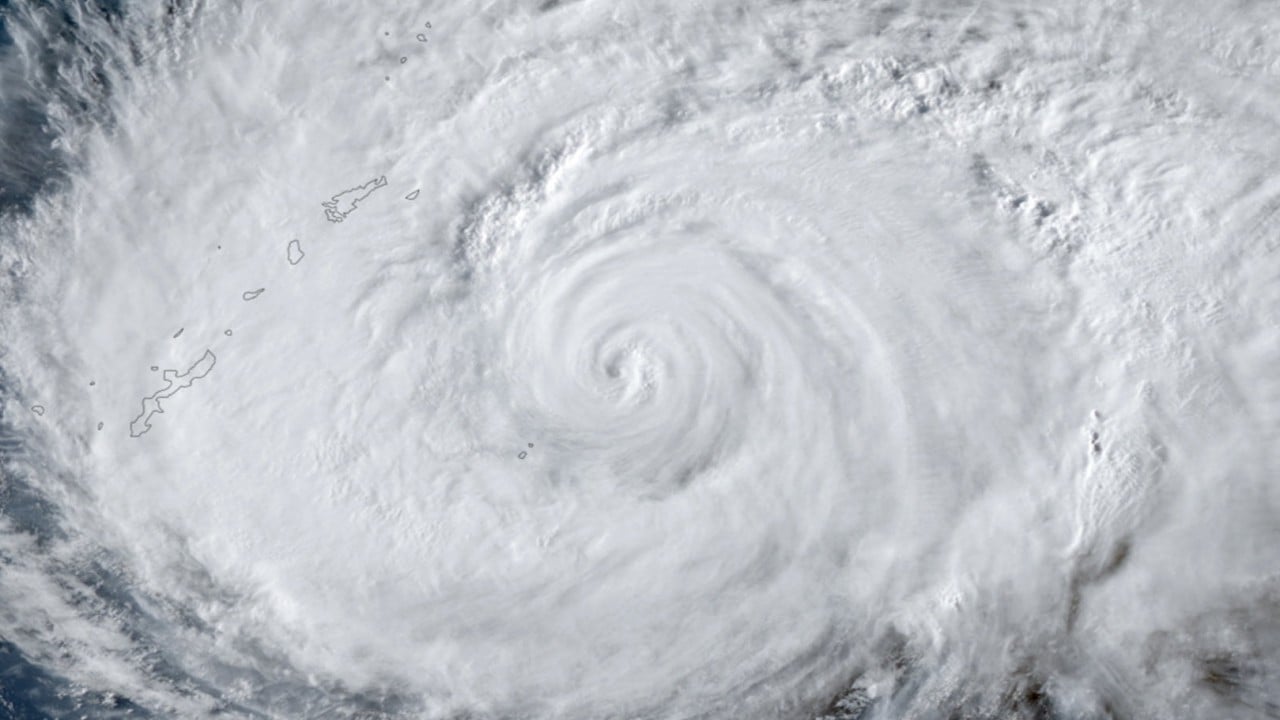
When a massive storm churns toward the coast, standard emergency response protocols usually involve thousands of officials walking riverbanks, checking seawalls manually, and shouting warnings through handheld megaphones. That manual era is ending fast. As Typhoon Dolphin barrels toward the East China Sea, regional authorities aren't just sandbagging doors. They're deploying aerial drone fleets and artificial intelligence models to watch over geographic zones spanning many times the area of Zhejiang province.
You might wonder why traditional methods no longer cut it. Climate patterns are shifting, storms are intensifying faster, and coastal populations have exploded. Waiting for a human observer to spot a hairline crack in an earthen dam during a midnight downpour is a recipe for disaster. Let's look at how automation is rewriting disaster management in real time.
Replacing the Foot Patrol with Autonomous Eyes
If you've ever tried to inspect a fifty-mile stretch of coastal embankment in a gale, you know how hopeless it feels. Darkness, driving rain, and howling winds make visual checks nearly impossible for ground teams.
China's recent deployment shifts that burden entirely to machines. Unmanned aerial vehicles equipped with thermal imaging and high-definition optical sensors now sweep across river basins and tidal flats long before a storm makes landfall. These aren't hobbyist toys. They fly pre-programmed autonomous grids, scanning for structural failures, rising water levels, and stranded vessels in commercial fishing ports.
- Speed: An inspection that used to take ground crews three grueling days on foot now finishes in roughly two hours.
- Coverage: Single flights capture data across vast terrain networks, feeding live video feeds directly back to regional command centers.
- Audio Warning: Built-in loudspeakers broadcast automated evacuation commands directly to remote villages before flooding isolates them.
The Brains Behind the Storm Response
Hardware is only half the equation. Gathering terabytes of aerial footage is useless if human analysts drown in data. This is where machine learning steps in to make split-second decisions.
Artificial intelligence algorithms process thermal and visual feeds instantly. If a drone detects abnormal seepage along an embankment or a sudden slope collapse, the software flags the exact GPS coordinates and pings the nearest emergency team's mobile terminal.
Instead of treating every square inch of coastline with equal urgency, predictive models prioritize high-risk zones based on historical weather patterns, tide levels, and soil saturation data. You get a targeted defense system that allocates scarce rescue resources exactly where they're needed most, cutting down response times from hours to minutes.
Logistics on Autopilot
Storm preparation doesn't stop at the water's edge. Once high winds and torrential rain hit inland expressways and bridges, highway management becomes a chaotic puzzle.
Smart infrastructure networks now integrate weather sensors directly with traffic control systems. Along major transit corridors like the Lin'an-Jiande Expressway, automated systems track real-time visibility and wind velocity, shifting digital signage and bridge operating modes autonomously as conditions worsen. Traffic bottlenecks clear faster because regional dispatchers see blockages on integrated digital dashboards rather than waiting for confused phone calls from stranded drivers.
What This Means for Global Disaster Management
We are watching a fundamental pivot in how humanity handles extreme weather events. Relying purely on grit and manpower during a crisis is becoming obsolete. By combining autonomous aerial coverage with predictive data processing, coastal regions can spot structural failures before they trigger catastrophic floods.
If your local municipal agency is still managing emergency responses with clipboards and walkie-talkies, it's time to demand an upgrade. Look toward automated monitoring frameworks and build redundancy into your early-warning systems today, because the next major weather anomaly won't wait for you to catch up.