The Western media loves a David versus Goliath narrative, especially when Goliath is the US Treasury and David is a state-backed oil giant in Beijing. When headlines scream that China has ordered its domestic refineries to ignore US sanctions on Iranian or Russian crude, the armchair analysts immediately start typing about the death of the dollar and the end of American hegemony. They are missing the point. This isn't a rebellion. It’s a calculated accounting exercise.
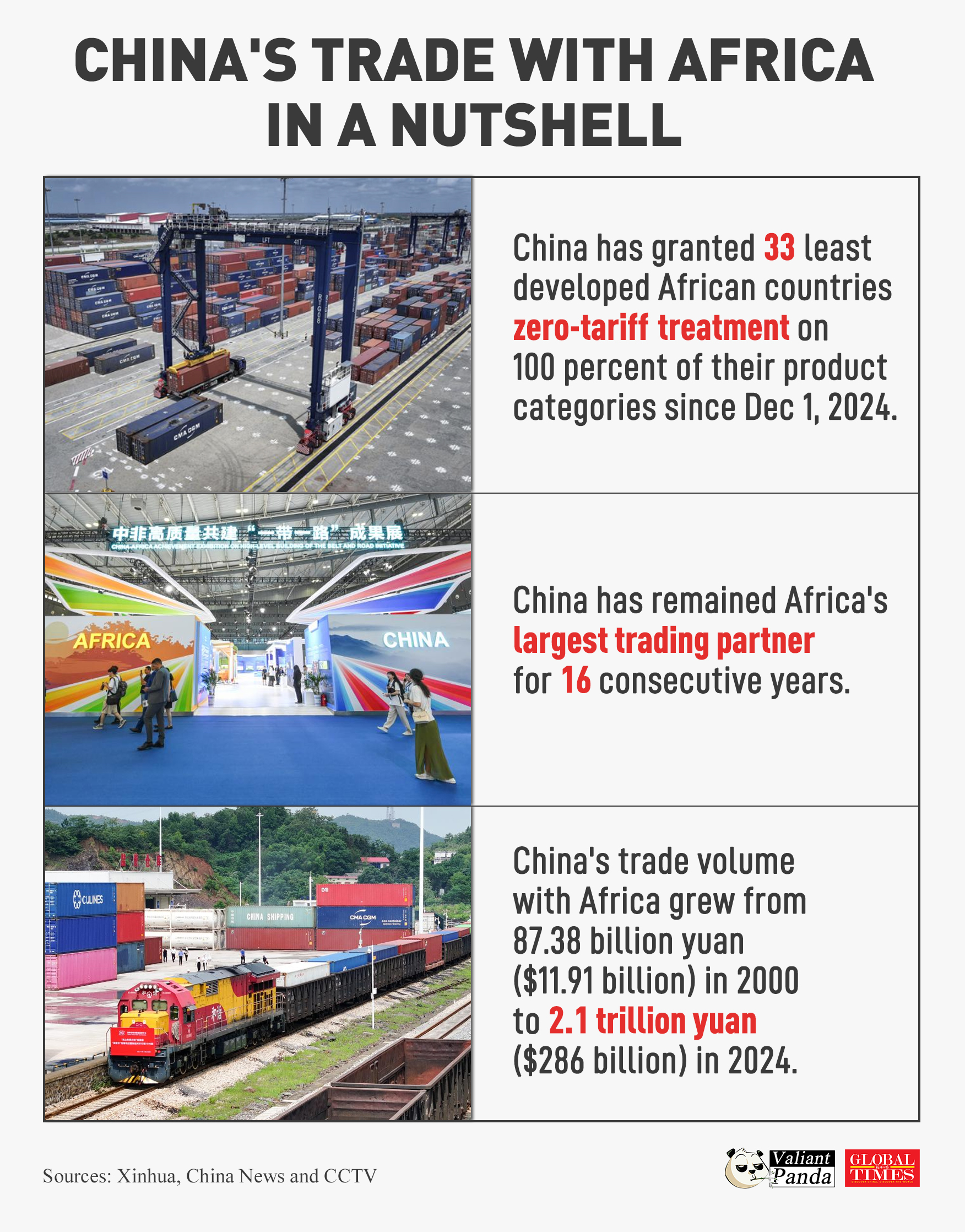
Mainstream reporting treats these "orders" as a sudden escalation. It’s actually the status quo finally putting on a suit and tie. For years, the "teapot" refineries in Shandong province have been the world’s most effective laundry mat for sanctioned molecules. By formalizing the defiance, Beijing isn't starting a fight; they are streamlining a supply chain that Washington already lacks the teeth to bite. Recently making headlines in this space: How Chinas expanded zero tariff policy actually changes African trade.
The Myth of the Sanction Wall
The biggest lie in energy geopolitics is that sanctions stop the flow of oil. They don't. They just create a "transparency tax." When the US places a cap or a ban on a regime, the oil doesn't disappear into the ground. It simply changes its paperwork. It becomes "Malaysian Blend" or "Omani Grade" through a series of ship-to-ship transfers in the middle of the night.
By ordering refineries to ignore these sanctions, China is removing the middleman. They are tired of paying the 10% premium to the shadow fleet operators and the murky brokers in Dubai who facilitate the "illegal" trade. Beijing is betting that the US cannot afford to sanction the massive Chinese state banks that would handle these direct payments. If the US Treasury targets ICBC or Bank of China, they aren't just hitting a refinery; they are pulling the pin on a grenade tucked inside the global financial system. More insights regarding the matter are explored by Investopedia.
Washington knows this. Beijing knows they know it. The "order" is a bluff-check on American resolve.
Why Your "Expert" Analysis of the Petrodollar Is Wrong
Every time a headline like this drops, the "End of the Dollar" crowd comes out of the woodwork. They argue that buying oil in Yuan is the silver bullet that will kill the Greenback. This is a fundamental misunderstanding of how global liquidity works.
The dollar’s power doesn't come from oil. It comes from the fact that everyone—including the Chinese—still wants to hold US Treasuries because they are the most liquid, deep, and transparent assets on earth. You can buy Iranian oil in Yuan, but what does Iran do with those Yuan? They buy Chinese manufactured goods. It’s a closed loop. It’s a barter system with extra steps. Until the Yuan is fully convertible and China opens its capital account—which they won't, because the CCP demands total control—it cannot replace the dollar.
China’s order to ignore sanctions isn't an attempt to replace the dollar; it’s an attempt to decouple their essential energy needs from Western political whims. It’s defensive, not offensive.
The Teapot Refinery Trap
We need to talk about the "teapots." These independent refineries account for about 20% of China’s total imports. In the past, the central government used them as a buffer. If the US got angry about Iranian imports, Beijing could shrug and blame "rogue" independent actors.
By issuing a formal order, the Chinese government is absorbing that risk. This signals a massive shift in internal Chinese politics. The CCP is consolidating the energy sector. They are telling the teapots, "You don't need to hide anymore, but you do need to follow our script." This isn't about trade freedom; it’s about total state capture of the energy margin.
If you are a trader sitting in London or Singapore thinking this opens up a "free market" for sanctioned crude, you’re going to get burned. This move makes the trade more opaque, not less. The state will now dictate the price, the volume, and the winners. The "discount" on sanctioned oil that used to go to the refineries will now be captured directly by the state.
The Sanction Paradox: Why Complexity Favors Beijing
Sanctions are only effective against transparent, rule-following entities. The moment you push a trade into the shadows, you lose all leverage. The US has created a Frankenstein’s monster: a massive, parallel global economy that operates entirely outside of the SWIFT system and dollar-clearing banks.
- The Shadow Fleet: There are now hundreds of aging tankers with no clear ownership and "ghost" insurance policies.
- The Non-Western Insurance Gap: China is building its own P&I (Protection and Indemnity) clubs to insure these cargoes.
- The Digital Yuan: While still in its infancy, the mBridge project (a multi-CBDC platform) is designed specifically to bypass the New York clearing house.
The "order" from Beijing is the final piece of this infrastructure. It’s the legal framework that tells Chinese companies they will be protected by domestic law when they break international "norms."
The Brutal Reality for Western Investors
If you're waiting for the US to "crack down" and stop this, stop holding your breath. The US is currently the world’s largest oil producer, but it’s also a country terrified of $5-a-gallon gasoline. If Washington actually enforced sanctions to the point of removing 2-3 million barrels of "sanctioned" oil from the Chinese market, global prices would moon.
The US government is essentially subsidizing China’s cheap energy. By not enforcing sanctions strictly—because they fear inflation at home—the US allows China to buy oil at a $10-$20 discount per barrel compared to what Japan or South Korea pays.
We are living in a world where the "policeman" is too broke and too scared to make an arrest, so the "criminal" has decided to stop running and start a legitimate business in broad daylight.
The Actionable Truth
Stop looking at this as a geopolitical "event." Look at it as a supply chain optimization.
For those in the energy sector, the "alpha" isn't in predicting a war; it's in understanding that the global oil market has officially split in two. There is the "Transparent Market" (expensive, regulated, dollar-based) and the "Opaque Market" (discounted, state-mandated, multi-currency).
China just announced they are the headquarters of the Opaque Market.
If you are a logistics provider, an insurer, or a tech firm providing tracking services, your "landscape" just got a lot more dangerous. You are being forced to choose a side. You cannot play in both pools anymore. The "seamless" global trade era is dead.
The real risk isn't a naval blockade in the Strait of Malacca. The risk is that the Western financial system becomes irrelevant to the world’s largest energy consumer. China isn't ignoring US sanctions because they want to fight. They are ignoring them because, for their specific goals, the sanctions no longer exist.
The paperwork has finally caught up to the reality on the water. Stop calling it a defiance and start calling it an inauguration.
The US Treasury just found out that "illegal" is a relative term when the person breaking the law owns the bank, the refinery, and the dock.