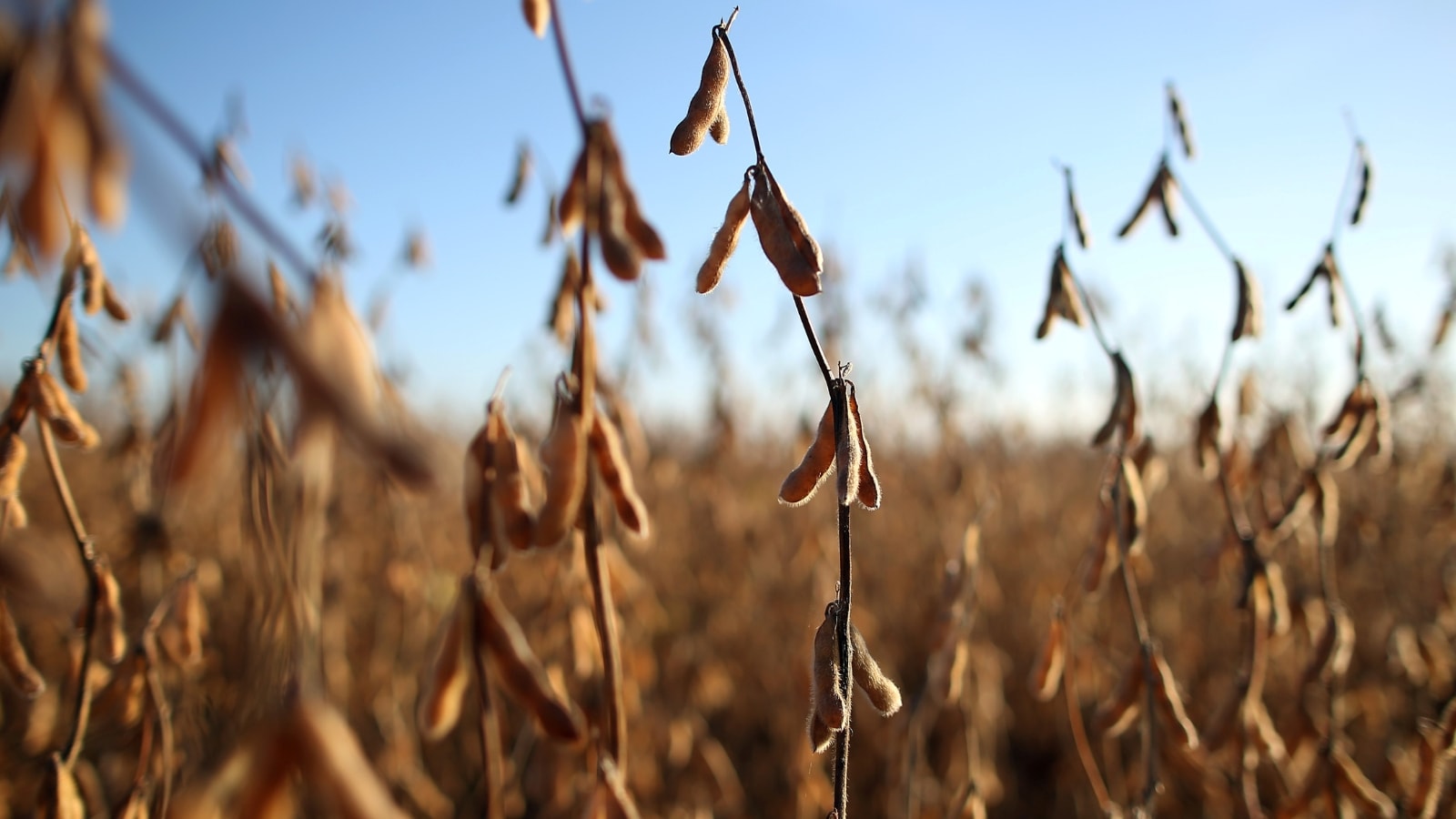
Trade talk in the grain pits usually feels like a broken record, but this week's headlines from the Trump-Xi summit in Beijing hit a different frequency. US Trade Representative Jamieson Greer just dropped a "double-digit billion" dollar promise for annual agricultural purchases over the next three years. If you're a farmer in Illinois or Nebraska, that sounds like a payday. If you're a trader on the Chicago Board of Trade (CBOT), it’s a bit more complicated.
The initial reaction was a predictable pop. Soybean and corn futures jumped as the news broke, fueled by the hope that China would finally absorb the massive surplus of American grain. But look closer. By the time the markets closed on Thursday, May 14, those gains were already evaporating. Soybeans for July delivery actually fell nearly 3%, sliding under the $12 per bushel mark.
Why the sudden U-turn? Because "commitments" aren't contracts.
The Gap Between Trade Promises and Real Demand
Markets hate a vacuum, and right now, the specific details on when and how much China will buy are missing. Trump says Beijing will buy "a lot of soybeans," and there's talk of 25 million metric tons (MMT) annually through 2028. That's a massive step up from the 12 MMT we've seen recently, but the "when" matters as much as the "how much."
Right now, the USDA's weekly export data tells a depressing story. Last week, soybean sales hit a marketing-year low of just 102,100 tons. China bought some, but it was "routine" at best. They're not rushing in with a blank check just yet.
China’s play is purely tactical. They’re using agricultural purchases as a lever in broader trade negotiations. It’s a stabilizing tool for them, not a sign of desperation. They’ve spent the last two years getting cozy with Brazil, which has a massive supply of cheap beans and fewer geopolitical strings attached. To get China to pivot back to the US, the price doesn't just have to be competitive; it has to be worth the political risk.
Biofuels and the Supply Squeeze
While everyone is staring at the South China Sea, the real story for corn might be closer to home. The USDA’s May WASDE report projected US soybean stocks to drop to 310 million bushels by the end of the 2026/27 season. That’s tighter than anyone expected.
Domestic demand is doing the heavy lifting here. Biofuel blending mandates are expanding, and the crush demand is keeping floor prices higher than they would be if we were just relying on exports. Corn is in a similar boat. Even with a projected production of nearly 16 billion bushels, a tightening long-term outlook and high crude oil prices are keeping the floor from falling out.
Brazil is Still the Gorilla in the Room
You can't talk about US futures without talking about Brazil. They’ve essentially stolen the US's lunch money in the Chinese market. Last year, US ag exports to China plummeted to roughly $8.37 billion—a far cry from the $24.41 billion seen in 2024.
Brazil's production costs are lower, and their infrastructure is finally starting to catch up. When a Chinese buyer looks at a US cargo vs. a Brazilian cargo, the "special relationship" with America doesn't mean much if the Brazilian bean is 20 cents cheaper.
Honestly, the only reason US corn looks attractive to China right now is that their own domestic prices have spiked due to bad weather. Imports in the first quarter of 2026 trebled compared to last year. They need the grain, but they'll shop at the cheapest store until they're forced otherwise.
Weather Risks and the Super El Niño
If trade wars aren't enough to make you sweat, the weather will. Meteorologists are tracking a 96% chance that El Niño continues through next winter. They're calling it a "Super El Niño."
Usually, this means a wetter summer for the Corn Belt. In theory, that's great for yields—more rain equals more grain. But in a market already struggling with a supply overhang, a record-breaking harvest could actually tank prices further, regardless of what China promises to buy.
What This Means for Your Portfolio
If you're trading these moves, don't get caught in the headline trap. "China to buy more" is a great headline for a Tuesday, but it rarely sustains a rally through Friday without a signed purchase order.
- Watch the Basis: Pay more attention to the cash prices at your local elevator than the flashy CBOT numbers. If the basis isn't narrowing, the "demand" is just paper talk.
- Follow the Biofuel Mandates: This is the real "quiet" demand. If blending requirements stay high, the downside for corn and beans is limited, regardless of what happens in Beijing.
- Wait for the Export Sales Report: Don't believe a trade deal until the USDA's Thursday morning report confirms the sales. That’s the only data point that actually moves the needle long-term.
The market is currently in a "show me" phase. We've heard the promises before. Until those 25 million tons actually start moving through the Pacific, any price spike is likely a profit-taking opportunity rather than the start of a new bull run. Stay skeptical and keep your eyes on the physical movement of grain. That’s where the truth is.