When public officials start treating political dissent like urban warfare, democracy is in trouble. Local politics gets messy, but criminalizing protest crosses a dangerous line.
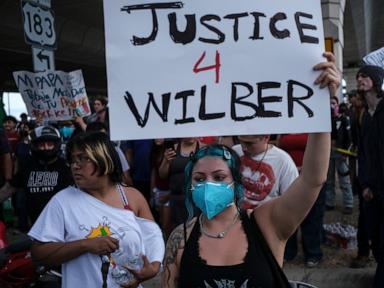
Take the recent case in Texas where a city council candidate found themselves slapped with a riot participation charge following demonstrations over a controversial Immigration and Customs Enforcement shooting. Instead of answering community concerns about law enforcement transparency, the state chose a heavy-handed courtroom battle. It is a playbook designed to intimidate grassroots challengers and silence public anger.
The Chilling Effect on Local Dissent
Political campaigns are supposed to be arenas for fierce debate. Candidates take to the streets, rally voters, and challenge the status quo. When local candidates face heavy criminal charges for showing up at demonstrations, the message to everyday citizens is loud and clear: step out of line and risk your liberty.
We have seen this script before. Civil disobedience has a long, necessary history in American politics. From labor strikes to civil rights marches, the people who built our modern political framework frequently broke minor rules to highlight major injustices. Slapping a "riot participation" label on a political candidate protesting a federal enforcement action stretches legal definitions to a breaking point. It treats assembly as a criminal enterprise.
Why the ICE Shooting Protests Hit a Nerve
To understand why local leaders and candidates put themselves on the front lines, look at the underlying catalyst. Tensions around federal immigration enforcement have boiled over repeatedly, especially following high-profile incidents where community members were shot or injured during targeted vehicle stops.
When federal agencies operate with limited local accountability, communities demand answers. Mayors, city councils, and local activists get caught in the crossfire because constituents want protection and transparency. When local authorities respond to public grief and outrage with riot charges rather than dialogue, they escalate an already volatile situation.
The Politics of Overreach
Filing severe charges against political candidates doesn't restore order. It politicizes the justice system. Voters can smell manufactured outrage from a mile away. When prosecutors stretch statutes to criminalize protest participation, they turn ordinary political figures into martyrs and shift public sympathy squarely onto the accused.
If you want to run for office, you expect mudslinging, negative ads, and tough town halls. You shouldn't expect a criminal record simply for standing shoulder-to-shoulder with constituents demanding answers from law enforcement.
Moving Past Intimidation
Suppression rarely achieves long-term stability. Communities that feel ignored will only push harder. Local governments need to realize that transparency is the only antidote to civil unrest. Ducking behind criminal charges to silence critics only deepens public distrust.
Stand up for your right to question authority. Support leaders who face down intimidation, and demand accountability from every level of government before the next crisis hits.
Watch coverage of the protests and legal fallout
This video provides a direct look at the protests and the law enforcement response that led to the controversial charges against local demonstrators.