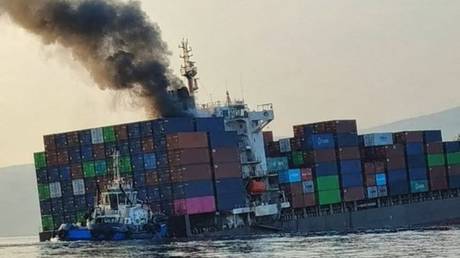
When a multi-thousand-container vessel or a supertanker goes down in one of the world's tightest maritime chokepoints, the ripples don't just stay in regional waters. They hit supermarket shelves, energy bills, and supply chains thousands of miles away almost instantly. Recent reports and conflicting claims regarding vessels striking naval mines or taking hits from unknown projectiles in the Strait of Hormuz have laid bare just how fragile global logistics really are.
If you've been following the escalation, you know the narrative isn't simple. Iranian state media and the Islamic Revolutionary Guard Corps have repeatedly claimed that commercial vessels—ranging from big cargo haulers to crude oil tankers—ignited and sank after running afoul of sea mines in restricted or unauthorized zones. On the flip side, international maritime monitoring groups like UKMTO and Western defense sources frequently point to unidentified projectiles, drone activity, or targeted attacks. Sorting through the fog of war requires looking past the propaganda and examining what these disruptions actually mean for the global economy.
The Chokepoint That Feeds the World
The Strait of Hormuz isn't just a stretch of water. It's an economic aorta. Roughly a fifth of the world's petroleum consumption and massive amounts of containerized cargo pass through this narrow gap between Oman and Iran daily. When safety breaks down here, shipping lines don't get to choose a convenient detour. There is no easy alternate route for a mega-ship hauling thousands of containers of manufactured goods from Asian factories to Western markets.
Insurance companies watch these developments like hawks. The moment reports surface of container ships or tankers burning and sinking, marine war risk insurance premiums skyrocket. Shippers face an impossible choice: pay exorbitant fees that get passed directly down to consumers, or pause sailings altogether.
Dissecting the Claims and Counterclaims
Let's look at how these incidents are reported versus reality. When state bodies claim that ships ignored warnings or turned off their tracking transponders before hitting a mine, maritime experts get deeply skeptical. Modern commercial captains don't willingly sail blind into active conflict zones unless forced by navigation errors or severe tracking glitches.
At the same time, the presence of floating hazards or targeted projectiles means the threat environment is entirely dynamic. Whether an incident stems from a drifting naval mine deployed during regional maneuvers or a precision strike from an unmanned aerial vehicle, the operational outcome remains identical: hulls breach, crews face mortal peril, and multi-million-dollar cargoes end up at the bottom of the Gulf.
What This Means for Everyday Supply Chains
You might think regional flashpoints in the Middle East only matter if you trade oil futures. That's a massive blind spot. Modern manufacturing relies on just-in-time logistics. When container ships carrying retail goods, electronics, and industrial components are delayed, diverted, or destroyed, inventory shortages cascade globally.
- Freight Rates Surge: Carriers rerouting or dealing with heightened risk demand higher fees.
- Schedule Reliability Plummets: Port congestion builds up as ships bunch together waiting for security clearances.
- Consumer Costs Rise: Importers absorb the pain and quickly pass those extra costs on to you.
Navigating this new normal means businesses can no longer treat geopolitical shipping risks as black swan events. Supply chain resilience has transitioned from a corporate buzzword into a literal survival metric. Companies relying on single-source manufacturing paths or rigid shipping lanes are taking heavy losses every time regional tensions spike.
The situation in the Gulf remains volatile, unpredictable, and entirely unforgiving to unprepared operators. Keeping a close eye on real-time maritime advisories isn't just for shipping executives anymore—it's how anyone tracking global economics understands where prices are heading next.



