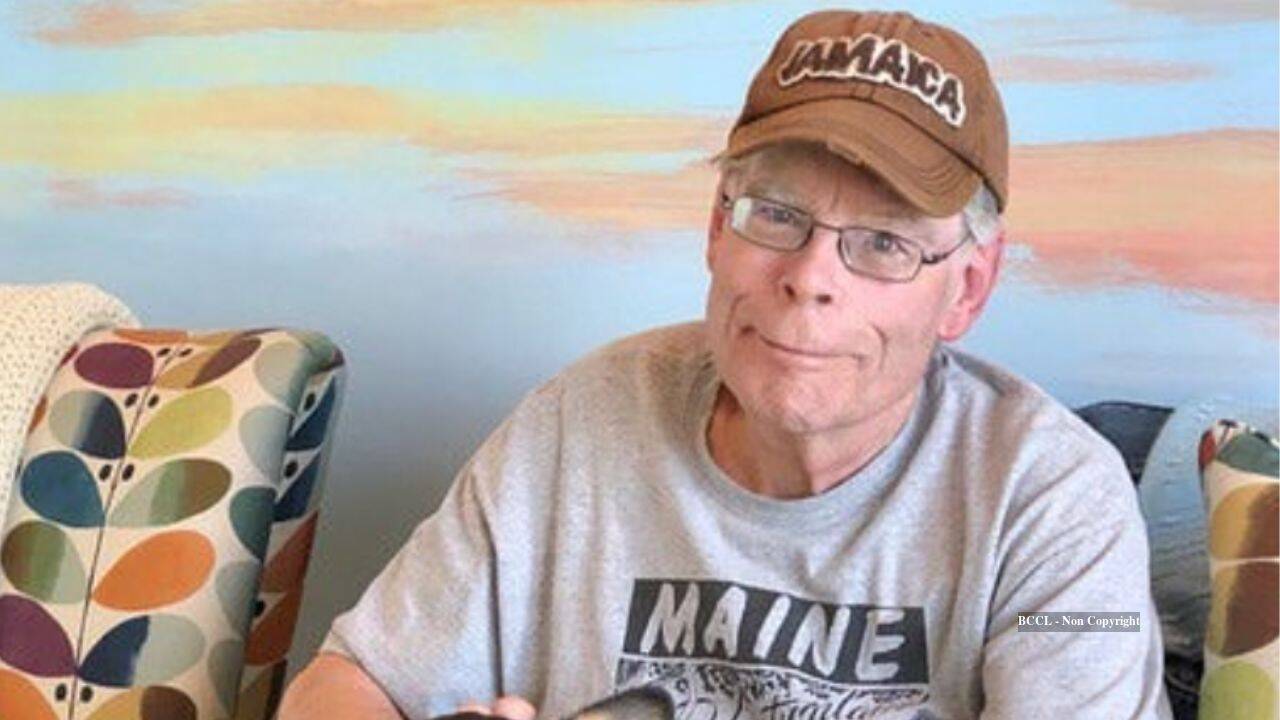
Every winter, the narrative plays out with predictable clockwork precision. Temperatures drop in northern New England, heating oil prices spike past reason, and the media scrambles to find a feel-good story about neighbors rescuing neighbors. Recently, a high-profile radio fundraiser backed by Stephen King hauled in over two hundred and forty thousand dollars to keep Maine homes warm.
Cue the applause. Cue the heartwarming human interest segments. Cue the collective sigh of relief that philanthropy swooped in to save the day once again. Building on this idea, you can find more in: The Myth of Iranian Control Over the Red Sea Militias.
It is a comforting illusion. It is also an absolute systemic failure disguised as charity.
When a community has to rely on horror novel royalties and morning-show pledge drives to prevent its citizens from freezing in their living rooms, the system is not working. We are mistaking a symptom-treatment band-aid for a structural cure. While everyone is busy praising the generosity of donors, nobody wants to ask why working families in one of the most resource-rich nations on earth are one cold snap away from a catastrophe that requires a radio telethon to fix. Experts at Associated Press have shared their thoughts on this situation.
I have spent years watching energy markets and public policy collide in rural America. I have seen community action agencies stretched so thin their phone lines ring busy for days while people sit in forty-degree kitchens trying to decide whether to buy heating oil or groceries. Charity is noble, but charity is what you turn to when policy has already surrendered.
The Math Of Misery
Let us look at the raw numbers with zero sentimentality. Heating a modest home through a brutal Maine winter takes hundreds of gallons of oil or thousands of kilowatt-hours of electricity. When prices surge, the gap between a household income and basic survival widens by thousands of dollars per family.
A quarter of a million dollars sounds like a massive pile of money when you see it in a press release. Spread it across thousands of households facing energy insecurity in a state with freezing winters, and you realize it is a drop in an empty bucket. It buys a few tanks of oil here, a few emergency deliveries there, and then it vanishes.
Meanwhile, the structural drivers of the crisis remain completely untouched. Energy infrastructure in the Northeast remains chained to volatile global oil markets and aging distribution networks. Housing stock in rural towns is notoriously drafty, leaky, and energy-inefficient, acting as a thermal sieve that bleeds expensive heat straight into the snow.
Throwing cash at the end-stage emergency without upgrading the building envelope or reforming utility pricing structures is like bailing out a sinking ship with a teaspoon while praising the crew for staying positive. It keeps people afloat for another hour, but it guarantees they will drown tomorrow if the storm keeps blowing.
The Philanthropy Trap
We have built an economy that treats basic human survival as a lottery. If you live in an area with a wealthy benefactor, an active local radio station, or a generous donor base, you might get a check. If you live in a town three counties over without the media spotlight, you freeze in silence.
This is the dark side of modern philanthropy worship. We love the celebrity hero narrative because it lets the rest of the system off the hook. It tells us that we do not need regulatory reform, aggressive weatherization programs, or wealth redistribution through taxation, because a rich author and a group of local DJs can just pass
Why Charity Radiothons Are Ruining Real Communities
news, business
Every winter, public radio stations roll out the same tired script. A wealthy benefactor steps up, a few local celebrities hold court behind microphones, and a quarter of a million dollars gets scraped together to buy heating oil for freezing families. The headlines applaud the generosity. The public feels a warm glow of civic virtue.
It is a theatrical distraction masking a systemic failure.
When Stephen King’s foundation funneled money into Maine to help residents pay heating bills through a radio fundraiser, local media treated it as a triumph of human spirit. They missed the forest for the kerosene. We are celebrating the fact that citizens in a developed nation must rely on the literary royalties of a horror novelist and the emotional blackmail of a radiothon to survive a seasonal drop in temperature.
That is not community resilience. That is a symptom of institutional rot.
Let us look at the mechanics of how we handle seasonal poverty. For decades, the playbook has remained unchanged: wait until the first blizzard hits, panic, rely on private philanthropy, and pat ourselves on the back for putting a temporary thumb in a structural dike. This approach relies on a lazy consensus. The consensus dictates that charity is a virtue, that wealthy donors are saviors, and that the energy market’s failures can be fixed with bake sales and pledge drives.
I have watched public policy initiatives stall out for years while politicians wait for a billionaire to write a check. It creates a moral hazard. When philanthropy steps in to absorb the shock of volatile energy prices and stagnant wages, it relieves the pressure on the entities actually responsible for public welfare. It acts as an absolute subsidy for inaction.
To understand why this model is broken, you have to look at the baseline economics of energy access in rural America. Heating oil is a commodity subject to brutal geopolitical swings, yet infrastructure modernization gets sidelined in favor of emergency relief funds. We pour millions into emergency fuel assistance while state utility regulators approve rate hikes for legacy grid maintenance.
The traditional narrative treats the heating crisis as an act of God. It is treated like a sudden blizzard or an unexpected freeze. But cold weather is not an emergency in Maine; it happens every single year, right on schedule. Treating a predictable annual climate event with ad-hoc charity is the equivalent of failing to patch your roof all summer and then throwing a neighborhood fundraiser when it rains inside your living room.
Consider the alternative. Imagine a policy framework where home energy efficiency is treated as a mandatory utility baseline rather than a luxury upgrade for homeowners with capital. Instead of raising $241,820 to buy expensive oil to burn through leaky walls, what if that capital was leveraged to completely retrofit the housing stock of an entire county?
The math is not complicated. Emergency heating funds treat the symptom while ensuring the disease remains profitable for fuel distributors. When you subsidize the purchase of high-cost energy through donations, you guarantee a steady floor for oil companies. You are essentially laundering philanthropic dollars straight into the balance sheets of fuel suppliers, who have zero incentive to modernize or lower costs because they know a telethon will bail out their customer base when prices spike.
Critics of this view argue that pragmatism requires us to accept any help we can get. If someone is freezing today, they need oil today, not a ten-year structural housing overhaul. That objection sounds compassionate, but it is actually a recipe for perpetual crisis. Of course, nobody should freeze in the dark. But acknowledging the immediate human need does not require us to praise the system that creates the need in the first place.
If you want to fix rural heating poverty, stop holding radiothons. Start penalizing landlords who rent uninsulated properties. Strip tax exemptions from energy utilities that fail to hit modernization benchmarks. Shift public spending away from crisis response and lock it into long-term geothermal and heat-pump transitions that break the state's addiction to imported fossil fuels entirely.
As long as we reward billionaires for playing savior and media outlets for romanticizing our collective failure, nothing will change. The next time you hear a broadcaster pleading for emergency heating donations, do not reach for your wallet to feel good about yourself. Ask why the wealthiest society in human history is still running its safety net on a bake sale.
Stop funding the band-aid. Tear down the machine that causes the wound.