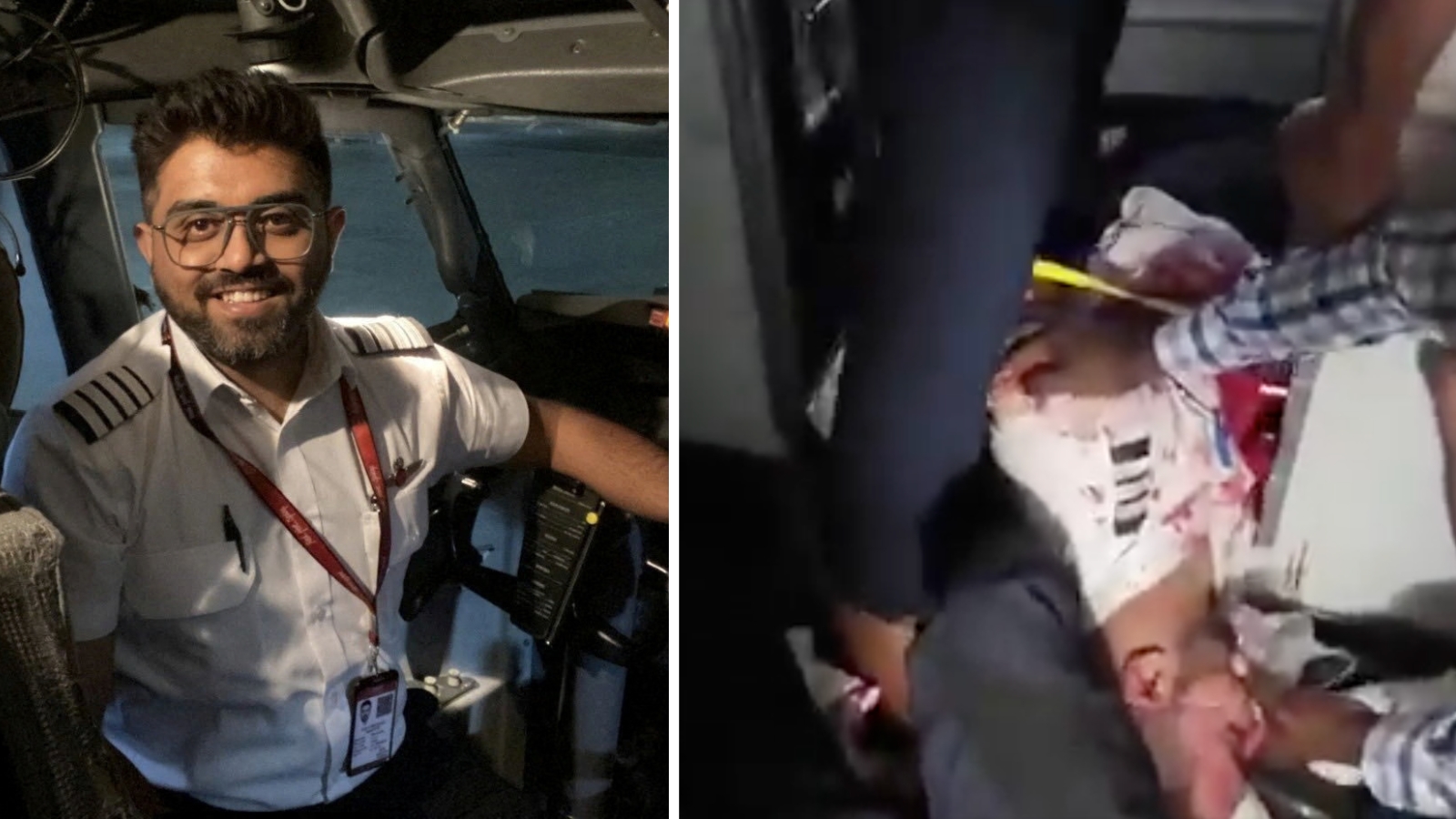
When flydubai flight FZ1073 from Dubai to Tel Aviv plunged more than 14,000 feet in under 30 seconds, the people on board were facing a nightmare scenario. Up front, Captain Smit Machchhar was fighting a brutal, bloody battle for his life inside a locked cockpit.
The horrific mid-air emergency shocked the aviation world. His co-pilot unexpectedly turned on him with violent intent, plunging the Boeing 737 MAX 8 into a terrifying nosedive. What followed next came down to sheer instinct, raw grit, and split-second survival decisions that saved 174 lives. Meanwhile, you can explore related events here: The Hands That Steady The Sky.
Inside the Cockpit Chaos
Commercial aviation relies heavily on sterile, predictable routines. Pilots train for engine failures, severe weather, and electrical fires. They do not train to defend themselves against a rogue crew member armed with an axe or knife inside a confined flight deck.
Reports and subsequent investigations revealed that Captain Machchhar took brutal blows to his head and arms as he blocked the attack. Bloodied and severely wounded, he collapsed onto the flight deck floor. With the aircraft nose-diving steeply and automated alarms screaming, the situation looked entirely hopeless. To see the full picture, check out the recent report by Condé Nast Traveler.
Instead of giving up, Machchhar made a choice that changed the outcome. He knew that if he stayed down, everyone on that aircraft was gone. Dragging himself across the floor while losing blood, he reached up and managed to hit the emergency cockpit door release switch.
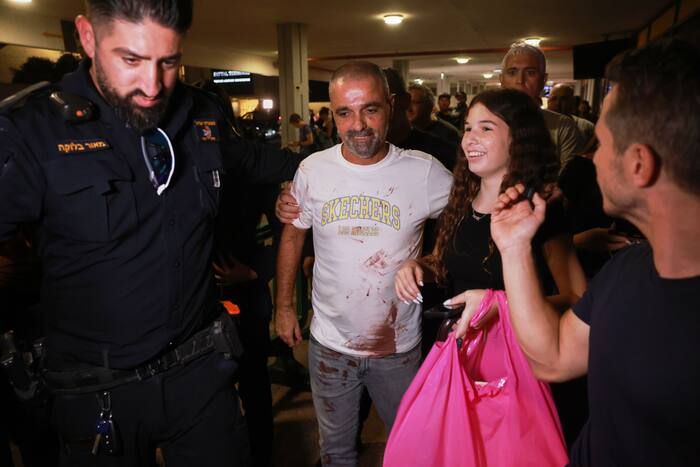
That single action broke the seal. Passengers and crew rushed the flight deck, overpowering the attacker while off-duty pilots stepped in to stabilize the aircraft. The flight diverted urgently, landing safely in Tabuk, Saudi Arabia.
Emergency Surgery and the Airlift to the UAE
After touching down in Saudi Arabia, Machchhar was rushed straight to a hospital in Tabuk. He underwent emergency surgery for severe wounds to his arms and head. Medical teams worked around the clock to stabilize his condition.
Once he was deemed stable enough for travel, a coordinated diplomatic and medical effort arranged for Captain Smit Machchhar to be airlifted out of Saudi Arabia directly to the UAE. High-ranking officials, including the Indian Ambassador, visited him promptly to honor his immense courage, calling him a true hero.
Tributes quickly poured in from global leaders. Indian Prime Minister Narendra Modi connected via video call to praise his indomitable spirit. Israeli Prime Minister Benjamin Netanyahu also acknowledged the gravity of the averted disaster. Back home in India, families and state officials celebrated his survival, recognizing that his refusal to quit prevented an unimaginable catastrophe.
The Broader Security Fallout
Incidents like this force the aviation industry to confront uncomfortable truths. Commercial cockpits are designed to keep external threats out. They are rarely engineered to manage internal threats when a trusted crew member goes rogue.
Security experts around the world are re-evaluating protocols. Questions about psychological screening, crew monitoring, and emergency cockpit access are back at the forefront of airline boardrooms. When a system relies entirely on absolute trust between two pilots, a betrayal of that scale exposes deep vulnerabilities.
Yet, the story of flight FZ1073 remains anchored by human resilience. Captain Machchhar's recovery is ongoing, but his legacy on flight safety is already cemented. He didn't just fly a plane; he wrestled control back from the edge of oblivion.
Flydubai captain on the cockpit battle to save his plane
This video features an exclusive interview detailing the intense cockpit struggle and how the crew managed to survive the harrowing ordeal.