The Petty Optics of Border Politics
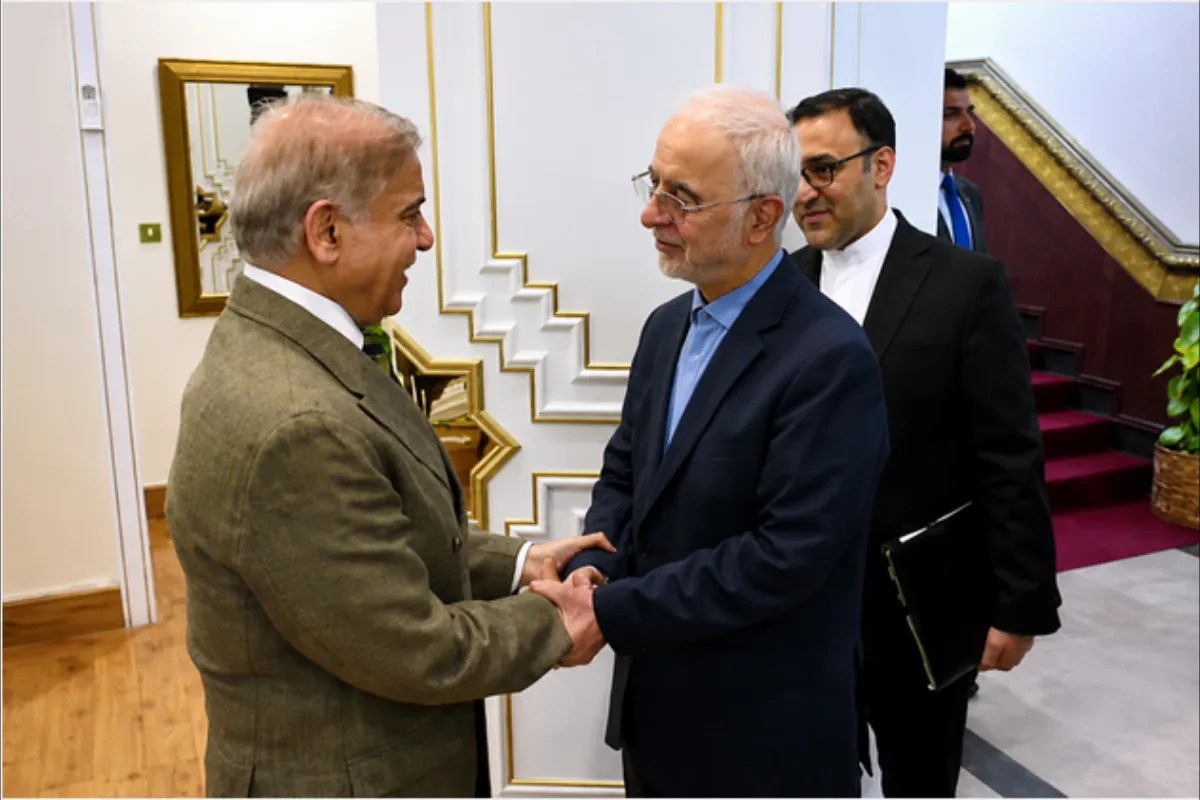
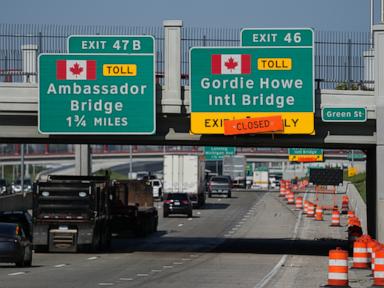
The media loves a good diplomatic snub. When news broke that Canadian officials pulled the plug on a joint ribbon-cutting ceremony for a major cross-border bridge following a fresh round of American tariff threats, headlines universally painted it as a decisive, principled stance.
It was nothing of the sort. Recently making waves lately: Why India and ASEAN Are Urgently De Risking Their Supply Chains in 2026.
Canceling a ceremonial photo op while millions of dollars in cross-border trade hang in the balance is not a show of strength. It is public relations masquerading as statecraft. Industry insiders who actually track trade corridors know the uncomfortable reality: headlines about canceled handshakes obscure the fact that critical supply chains remain completely exposed to protectionist volatility.
While politicians trade performative slaps on the wrist to satisfy domestic voters, the actual infrastructure of North American commerce continues to run on outdated assumptions. A bridge is a physical manifestation of mutual economic dependence. Refusing to cut a piece of silk ribbon across it changes absolute zero on a balance sheet. More details on this are detailed by NBC News.
The Illusion of Symbolic Retaliation
Let us call this what it is: passive-aggressive governance.
When a trade partner threatens tariffs, the standard playbook demands a response. But when a government lacks the economic leverage to launch direct counter-measures without harming its own domestic consumers, it retreats to symbolic gestures.
I have watched public sector leadership waste months managing news cycles instead of fixing systemic supply chain vulnerabilities. The playbook is always the same:
- Identify a high-visibility event with zero functional impact on the economy.
- Issue a stern press release announcing a withdrawal or cancellation.
- Allow commentators to frame the move as "sending a strong message."
- Quietly proceed with technical negotiations behind closed doors while doing nothing to resolve the core structural dispute.
The Hard Truth: Symbolism is cheap. Retaliation that carries real weight requires economic leverage, strategic diversification, and structural resilience—none of which are built by boycotting a photo opportunity.
What the Media Misses About Cross-Border Infrastructure
The standard media narrative frames cross-border logistics as a series of political negotiations between sovereign leaders. In reality, modern trade networks operate largely in spite of political posturing, not because of it.
+-----------------------------------------------------------------------+
|                       THE DIPLOMATIC THEATER                          |
|  [Tariff Threats Issued] ---> [Ribbon-Cutting Canceled] ---> [Media]  |
+-----------------------------------------------------------------------+
                                   |
                                   v
+-----------------------------------------------------------------------+
|                        THE ECONOMIC REALITY                           |
|  [Supply Chain Delays] -> [Increased Costs] -> [Consumer Inflation]   |
+-----------------------------------------------------------------------+
When tariffs enter the picture, the real damage happens at the operational level. Freight forwarders, automotive manufacturers, and agricultural exporters do not care whether two politicians hold a pair of oversized scissors together. They care about freight clearance times, regulatory alignment, and duty drawbacks.
The Real Cost Drivers in Border Logistics
- Regulatory Friction: A single day of uncertainty regarding tariff schedules forces logistics managers to reroute shipments, reclassify goods, or hold inventory in bonded warehouses—costing millions in working capital.
- Infrastructure Bottlenecks: Physical crossings require decades of capital planning. Tying the celebration of physical completion to temporary political spats trivializes the massive private and public investment required to build long-term trade corridors.
- Consumer Pass-Through: Tariffs are paid by the importing companies, not the foreign nation. Political grandstanding does nothing to absorb those costs; they roll directly downhill to the end consumer.
Dismantling the Mainstream Narrative
The conventional view suggests that standing firm in public forces the opposing administration to recalibrate its posture. History proves otherwise.
Protectionist policies are rarely driven by logical economic calculations that can be swayed by diplomatic cold shoulders. They are driven by domestic political imperatives. When a presidential administration leverages tariffs as a core policy pillar, an canceled event in a border town does not trigger a strategy review in Washington. It serves as political red meat for the administration's base, confirming their belief that foreign partners are uncooperative.
By opting for high-profile snubs, domestic leaders unwittingly hand the opposing side a political talking point while failing to protect their own exporters from the underlying financial threat.
How Smart Operators Should Actually Handle Political Volatility
If canceling ceremonies is useless, what is the actual strategy for businesses and policy makers facing sudden tariff shifts?
Stop treating cross-border trade like a political debate and start treating it like a risk management exercise.
Build Redundancy into the Physical Supply Chain
Relying heavily on a single diplomatic corridor without flexible logistics routing is operational negligence. Companies that survive trade shocks maintain multi-modal routing options and alternative customs clearance points to bypass localized bottlenecks.
Reclassify and Deconstruct Supply Components
Tariff schedules are notoriously complex. High-performing trade compliance teams do not wait for national leaders to settle disputes; they audit their bill of materials down to the sub-component level, identifying tariff-engineering opportunities to legally minimize duties under existing trade agreements.
Focus on Hard Contracts, Not Soft Bilateral Relations
Diplomatic goodwill vanishes the moment an election cycle hits. Long-term commercial agreements must incorporate specific trade disruption clauses, currency hedging strategies, and explicit burden-sharing terms for sudden tariff adjustments.
Stop Clapping for Empty Gestures
The public appetite for symbolic political drama has distracted from the cold realities of international trade. A completed bridge is an economic engine; it moves trucks, powers factories, and sustains regional employment. It performs these functions regardless of whether politicians stand on the span for a three-minute photo.
Real economic defense is quiet, technical, and expensive. It happens in compliance offices, boardrooms, and port facilities—not in front of a bank of press cameras. Until leaders prioritize structural economic resilience over public relations stunts, industries will remain entirely vulnerable to the next midnight policy shift.