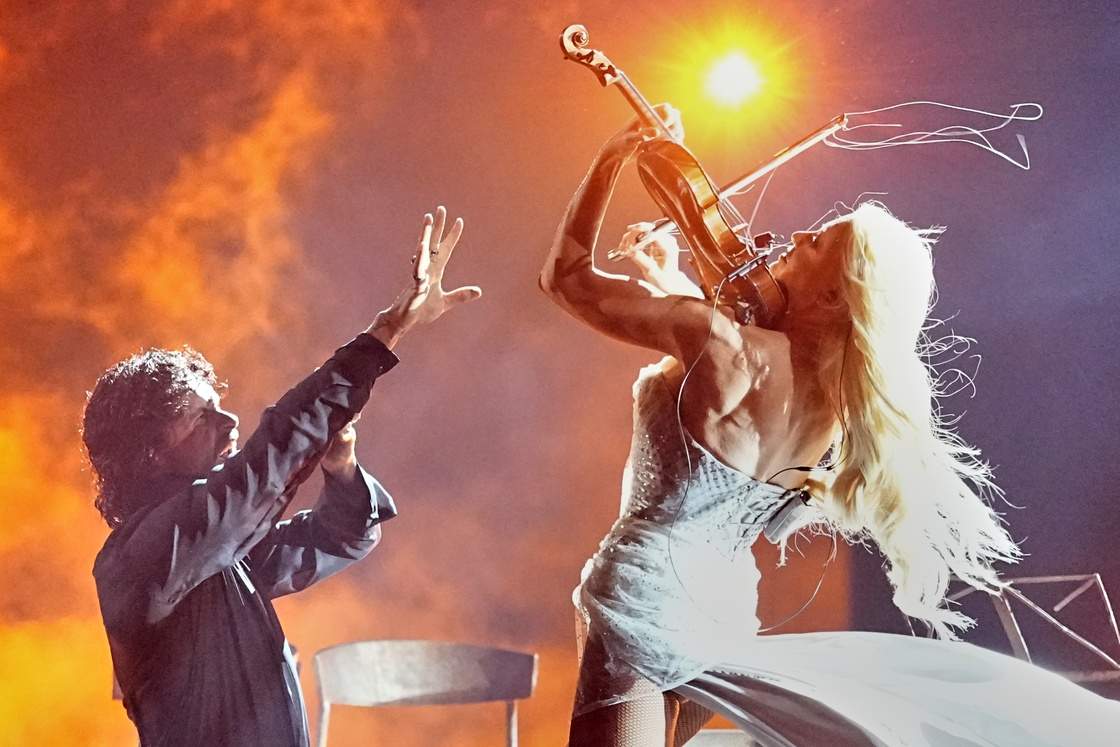
The rumors are over. On Canada Day, the European Broadcasting Union (EBU) and CBC dropped a bombshell: Canada is officially entering the Eurovision Song Contest in 2027. If your first reaction is to pull out a map and wonder when Nova Scotia drifted across the Atlantic, you aren't alone.
This isn't a bizarre one-off invitation like Australia received back in 2015. It is a permanent systemic shift. Canada has officially joined the club, and the rules of engagement are about to change for both North American music fans and European traditionalists. If you liked this piece, you might want to check out: this related article.
The Loophole That Brought Canada to the Party
Most people assume you need to be a European nation to sing on the Eurovision stage. That is simply wrong. Geography has very little to do with the contest rules.
To compete, a country's national public broadcaster must hold full membership in the EBU. CBC/Radio-Canada quietly secured full EBU membership, paving the way for their formal entry announcement. This means Canada isn't crashing the party as a guest. They bought a house on the street. For another angle on this development, refer to the latest coverage from GQ.
Unlike Australia, which debuted straight into the Grand Final as a special anniversary guest, Canada faces the standard grind. They will enter the semi-finals just like everyone else. If the Canadian act doesn't deliver a killer track, they will pack their bags before the grand Saturday night broadcast.
The 2027 contest is headed to Bulgaria, following Dara’s massive victory for the country. Canada's rookie artist will step right into a high-stakes, politically charged arena in Sofia.
How the Canadian Selection Process Will Play Out
Everyone wants to know how Canada will pick its first representative. While CBC promises granular details later this year, we already know the structural pathways based on how the EBU operates.
Broadcasters generally choose between two distinct routes:
- The National Selection: Think Sweden’s massive Melodifestivalen or Italy’s Sanremo. This involves a multi-week, televised tournament where the public and jury vote on a winner.
- Internal Selection: This is the corporate shortcut. The broadcaster works behind closed doors with record labels to handpick an established artist and a polished song.
Given the massive cultural divide between English-speaking Canada and Quebec’s vibrant music scene, an internal selection risks alienating half the country. A televised national final would bridge that gap, giving Indigenous, French, and English artists an equal shot at the global stage.
The Rules Canada Must Follow
Eurovision isn't a standard talent show. It is a strict legal framework disguised as a glittery pop festival. CBC will have to navigate a minefield of regulations to avoid immediate disqualification.
The Three-Minute Limit
Every song must be three minutes or shorter. Not 3:01. Not 3:05. If a Canadian artist brings a sprawling indie-rock anthem or a complex hip-hop track, it needs to be cut down with surgical precision.
Absolute Live Vocals
Backing tracks are allowed for instruments, but every single lead and backing vocal must be performed completely live on stage. There is no lip-syncing, and heavy pitch-correction software is strictly banned during the live broadcast.
The Age Restricton
Any performer standing on that stage must be at least 16 years old on the day of the first semi-final.
No Political Manifestos
The EBU bans political messaging, flags of non-participating states, and commercial branding in the lyrics or staging. Given the current geopolitical climate, the EBU checks every lyric line by line.
The Secret History of Canadians Winning Eurovision
While 2027 marks the country's official debut, Canadian DNA is all over the history books of this competition. The EBU rules allow broadcasters to hire talent from anywhere in the world.
The most famous example is Céline Dion. In 1988, the Swiss broadcaster looked across the Atlantic, spotted a young French-Canadian powerhouse, and recruited her to sing "Ne partez pas sans moi." She won the contest by a single point, launching her global career.
She isn't the only one. Natasha St-Pier represented France in 2001, finishing in fourth place. More recently, Quebec’s La Zarra brought her signature theatrical style to Liverpool in 2023, representing France with the disco-infused track "Évidemment."
Canada has been exporting top-tier musical talent to Europe for decades. The only difference now is that the maple leaf will actually appear on the scoreboard.
Geopolitics Behind the Musical Shift
You can't talk about Eurovision without talking about politics. Canada’s sudden move toward the EBU aligns closely with Prime Minister Mark Carney’s public efforts to build stronger ties with European institutions. With shifting political winds in Washington, Ottawa is deliberately looking across the Atlantic to secure its cultural and diplomatic footprint.
At the same time, the EBU desperately needs this expansion. The contest has faced intense pressure over the last few years, including broadcast blackouts and artist boycotts regarding Israel's participation. Bringing in a massive, culturally rich nation like Canada injects fresh energy and crucial funding into an organization navigating rocky institutional waters.
Your Next Steps to Prepare for 2027
If you want to follow Canada's journey from day one, don't wait for the May 2027 broadcast. The real work happens over the next few months.
First, keep an eye on CBC’s official press room. They will release the formatting rules for song submissions before the end of the year. If you are an independent Canadian songwriter or artist, start working on your three-minute pop tracks now. The submission windows open early, and the competition will be fierce.
Second, tune into the national selection broadcasts if CBC opts for a public tournament. That is where the real drama happens, and it gives fans the power to shape the nation's debut footprint on the global stage.
https://www.youtube.com/watch?v=qEbvkY5gAcA
This video offers a great breakdown of the geopolitical reasons behind Canada's decision to join Eurovision and how the move shifts its cultural alignment toward Europe.