Everybody loves a good foreclosure romance story.
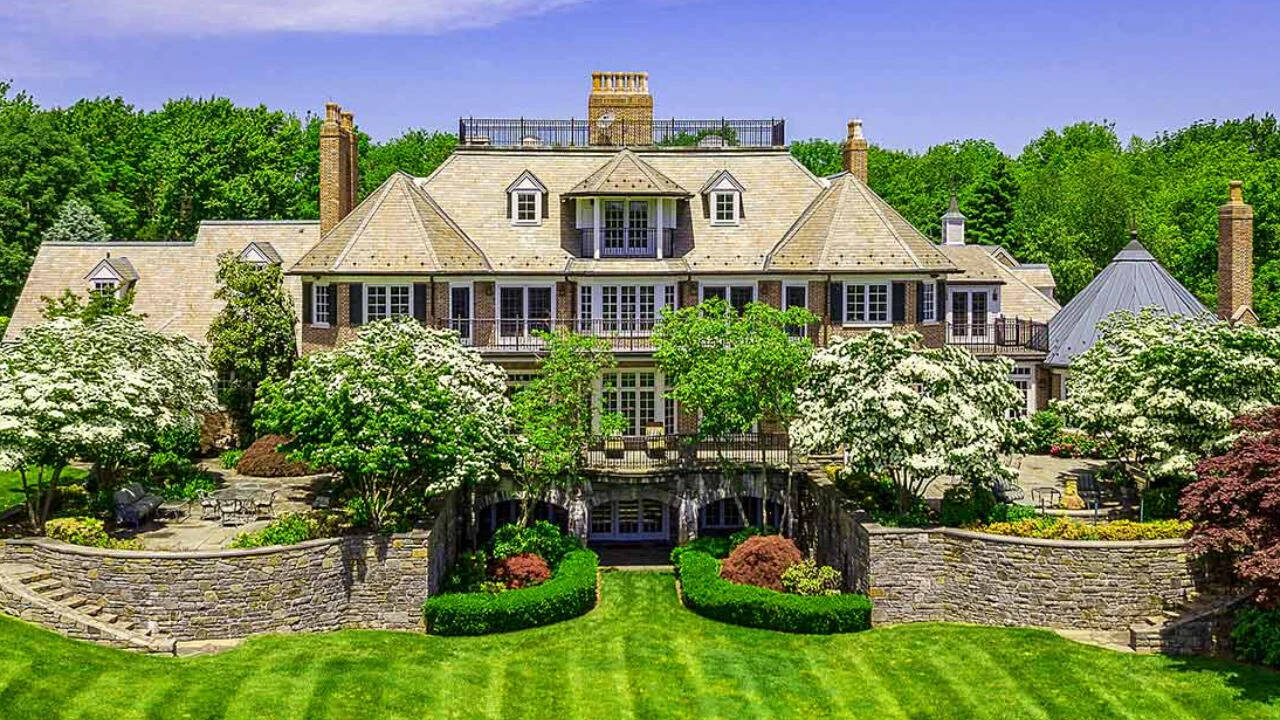
You see the headlines. A fifteen-thousand-square-foot New Jersey monster compound paired with a hundred and two acres of private land goes up on the auction block. The public gasps. The dreamers salivate. They look at the listing photos and imagine hosting sixty of their closest acquaintances by an Olympic-sized pool, sipping vintage wine while the sun dips beneath the tree line.
It sounds like winning. It is actually a slow-motion liquidation event disguised as a lifestyle upgrade.
I have watched otherwise intelligent founders and corporate executives blow seven figures on rural acreage and architectural white elephants, treating a trophy asset like an appreciating security. They ignore the math because the square footage feels like status. Then reality arrives in the form of property tax assessments, maintenance crews that treat your driveway like a municipal project, and an illiquid asset class that drops off a cliff the second local zoning changes or high-end buyer demand evaporates.
Let us dismantle the romantic consensus surrounding mega-estate auctions.
The Myth of the Discounted Trophy
The primary delusion driving crowds to distress sales of massive properties is the illusion of a bargain.
When a multi-million-dollar compound with triple-digit acreage heads to auction, amateur buyers assume they are stealing it. If a sprawling estate originally built for ten million dollars hits the block with a fraction of that reserve price, people lose their minds. They calculate the price per square foot and decide they are financial geniuses.
They are missing the entire point of carrying costs.
A fifteen-thousand-square-foot footprint does not sit quietly in the woods waiting for you to visit on weekends. It breathes cash. HVAC systems running in empty wings require constant calibration to prevent mold from devouring million-dollar millwork. Slate roofs require specialized craftspeople who charge five figures just to fix a winter storm breach. Private security systems, landscape management for acreage, well water purification, backup diesel generators—this is not a house. It is a commercial enterprise with zero revenue.
When you buy a massive estate at a discount, you are not buying a discount. You are buying a liability with deferred maintenance attached. The previous owner did not walk away because they got bored. They walked away because the cash burn exceeded the utility.
Acreage is a Vanity Metric
Let us talk about the land. One hundred and two acres sounds majestic. It sounds like feudal lordship.
In practice, unmanaged acreage in the Northeast is a massive chore wrapped in ecological liability. If it is wooded, you are fighting invasive species, dead ash trees threatening structures, and county brush-clearing mandates. If it is open land, you are either leasing it to a local farmer for pennies an acre or paying someone to bush-hog it twice a year so it does not turn into a briar patch.
True utility comes from density and accessibility, not the sheer volume of dirt you own. A hundred acres of fragmented topography with steep slopes and wetlands gives you privacy, sure, but it also isolates you. Try getting high-speed fiber laid down a half-mile private drive. Try getting a contractor to show up on a Tuesday morning when your septic pump fails.
The market knows this. That is why massive rural spreads take years to clear, even when priced aggressively. The wealthy buyers who can afford to maintain these properties have migrated toward urban penthouses, hyper-connected suburban enclaves, or master-planned communities where someone else handles the infrastructure. They do not want a kingdom to defend. They want a lock-and-leave box that works.
Liquidity is the Only Metric That Matters
Real estate agents love to talk about appreciation. They point to historical land values and tell you that dirt never goes down.
That is a comforting fairy tale told to people who have never tried to exit an illiquid position in a down cycle.
Liquidity is the oxygen of wealth. When you lock up a massive percentage of your net worth in a single, hyper-niche asset like a fifteen-thousand-square-foot compound in New Jersey, you have tied your financial survival to a very narrow slice of the demographic pie. How many buyers exist at any given moment who want a sprawling mega-estate requiring an army of staff? A handful. When you need to sell quickly—due to a market shift, a partnership dissolution, or a liquidity crunch—that handful vanishes.
You end up holding a bag of bricks while property taxes compound annually. You slash the price by thirty percent. Then forty percent. By the time it clears, the carrying costs and transaction friction have wiped out any theoretical gains you thought you were locking in at the auction.
Smart capital does not park itself in monuments. It stays mobile.
The Real Play
If you actually want luxury, stop buying square footage and start buying optionality.
Stop looking at rural mega-compounds as investments. If you want a weekend retreat, buy something modular, modern, and manageable—three thousand square feet on five acres. Something that can be closed down in twenty minutes, heated efficiently, and sold in thirty days if your priorities change.
Keep your capital liquid. Put it into assets that generate yield rather than assets that generate invoices.
The next time you see a headline about a massive estate going under the hammer, admire the architecture, check the auction results out of morbid curiosity, and thank your lucky stars you are smart enough to watch from the sidelines.