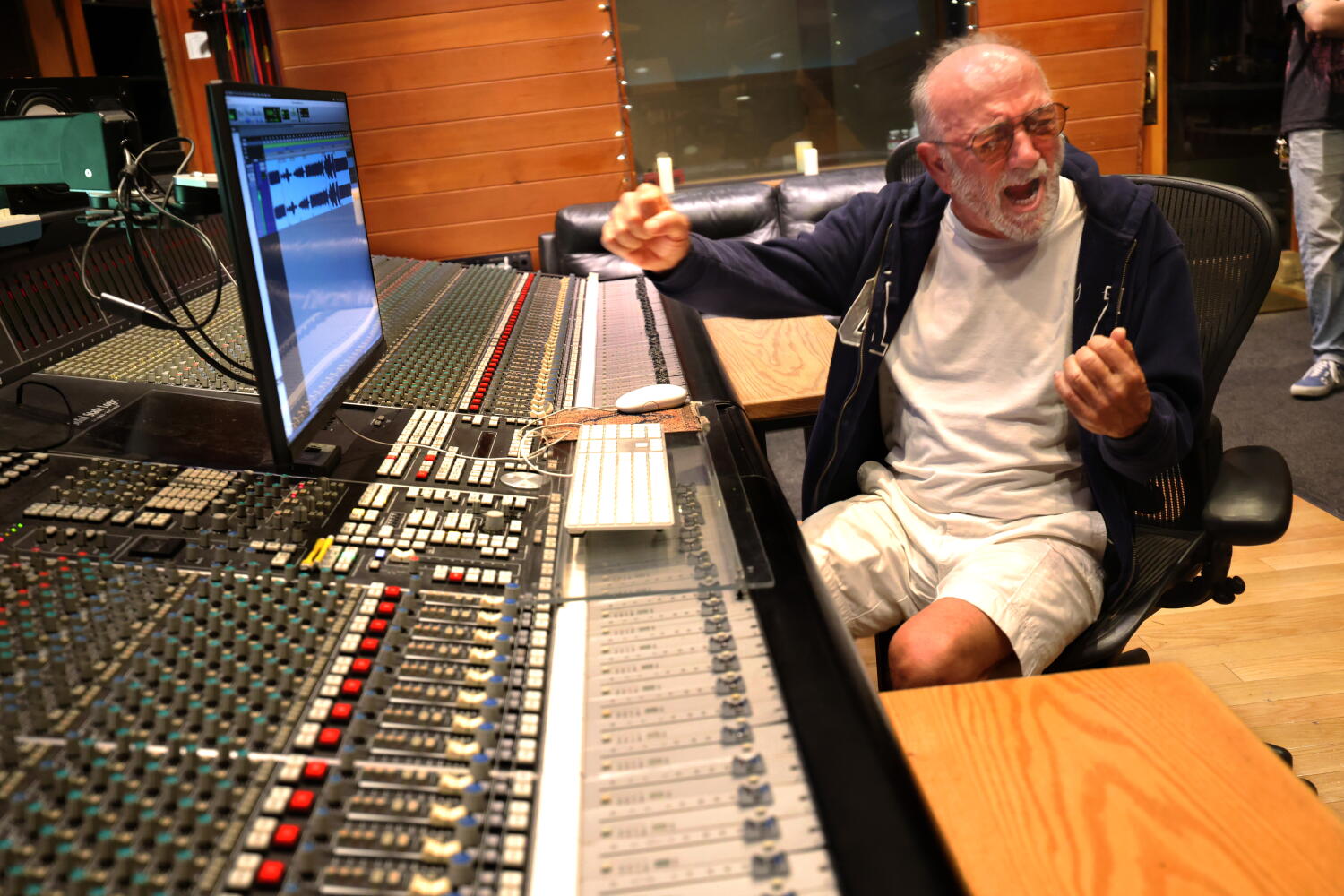
Every music publication on the planet is currently weeping over the sale of yet another historic recording studio. Headlines scream about the end of an era, the loss of sacred rooms where platinum albums were forged, and the tragedy of corporate developers eyeing sacred real estate. Fans hold candlelight vigils for vintage mixing consoles. Industry sentimentalists pen mournful obituaries for rooms draped in acoustic mahogany.
It is all absolute nonsense.
I have watched executives blow millions on vintage real estate, thinking concrete walls and Neve consoles somehow secrete hit records. They buy the walls, ignore the balance sheet, and wonder why the ghost of classic rock cannot pay the electricity bill.
Purchasing a legacy commercial studio right now is not a preservation effort. It is a slow-motion asset liquidation dressed up in nostalgia.
The Myth of the Magic Room
Let us look at the lazy consensus. The narrative goes like this: great music requires great spaces, and historic spaces possess an irreplaceable acoustic mojo. Therefore, letting a legendary studio close or change hands is a cultural crime.
This argument crumbles the moment you look at modern production workflows. The best-selling records of the last five years were not tracked in multimillion-dollar live rooms with three hundred thousand dollars of vintage ribbon microphones. They were built in converted bedrooms, downtown lofts, and tour bus bunks. Producers cut vocals on a Shure SM7B plugged into a portable interface sitting on a hotel room duvet.
Acoustic perfection has been democratized. Convolution reverbs and spatial audio plugins model the frequency response of Abbey Road or Sound City with terrifying accuracy. You are not paying for better sound when you buy a legacy studio. You are paying for historical tourism. You are buying high property taxes, crumbling HVAC systems that cost as much as a luxury sedan to repair, and a square-footage footprint designed for an era of tape budgets that no longer exist.
Labels stopped subsidizing multi-week lockout sessions decades ago. The business model of charging four thousand dollars a day for a room with a grand piano and a lounge is dead. Yet, buyers keep lining up to catch a falling knife, blinded by the plaque on the wall.
The Economics of Vanity Real Estate
Let us break down the P and L of a traditional major studio.
Fixed overhead is a monster. You have property taxes on prime urban real estate, specialized maintenance for vintage gear that breaks down if you look at it wrong, insurance policies that cost a fortune, and staff payroll for assistant engineers who spend half their day fetching oat milk lattes for artists who show up four hours late.
Now look at the revenue side. Major label budgets are fractured. Independent artists rent rooms by the hour rather than booking month-long residencies. Project studios have gutted the mid-tier market entirely. When a band can write, record, and mix an entire album on a laptop using equipment that costs less than a single day of studio lockout, why on earth would they sign a check for commercial studio time?
Traditional Studio vs. Modern Production Flow
---------------------------------------------------------
Metric            Legacy Studio         Modern Setup
---------------------------------------------------------
Overhead          Massive (Realty/HVAC) Minimal (Laptop/DAW)
Flexibility       Fixed Location        Anywhere
Gear Maintenance  Astronomical          Plug-and-Play
Profit Margin     Razor-thin / Negative High
The math does not work. If you buy a legendary studio for the prestige, you are operating a vanity museum subsidized by your other business ventures. If you buy it as an investment, you are mathematically illiterate.
I have seen investors sink capital into historic facilities, convinced they can pivot them into community hubs or creator spaces. They host podcast bootcamps and influencer mixers. Within eighteen months, the mixing console is collecting dust while the owners scramble to pay the mortgage by renting the tracking room out for birthday parties and corporate retreats. That is not the music business. That is commercial real estate management with a worse tenant profile.
The Counter-Intuitive Truth About Modern Audio
Stop trying to save the rooms. Save the ethos.
The glory days of these studios were never really about the concrete and the glass. They were about friction, collaboration, and budgets that allowed artists to fail forward. You did not get masterpieces because the console was wired by NASA; you got them because labels had the capital to let artists spend three months exploring a wrong turn.
Throwing millions of dollars at a physical building does not recreate that creative freedom. In fact, it does the exact opposite. High overhead forces commercial conservatism. When your daily operating costs require you to keep the rooms booked twenty-four hours a day just to service debt, you cannot afford to take risks on weird, boundary-pushing projects. You have to take corporate voiceover work, ad agency jingles, and sterile pop sessions to keep the lights on.
The most exciting music being made right now happens in spaces that have zero historical baggage. It happens in creative silos where failure is cheap and experimentation is frictionless.
What the Industry Misses About the Sale
When a legacy studio goes up for sale, the media treats it as a funeral. It is actually a clearance sale on bad ideas.
The smart money is not buying the real estate. The smart money is buying the brand equity, strip-mining the name for virtual instrument plugins, sample libraries, and educational masterclasses, and letting the concrete walls become luxury condos or tech incubators.
You can love the records that were made there without needing to shoulder the financial liability of the real estate that housed them. The ghosts of rock and roll past do not care if their old tracking room is currently cutting a hip-hop vocal or serving as a parking garage for a software startup.
The industry needs to stop treating commercial real estate as a holy relic. Let the dinosaurs die so the ecosystem can actually breathe.
If you have the capital to buy a legendary recording studio, keep your checkbook in your pocket. Build a mobile rig, invest in young songwriting talent, and spend your money on things that actually move culture forward instead of buying someone else's expensive storage unit for vintage gear.