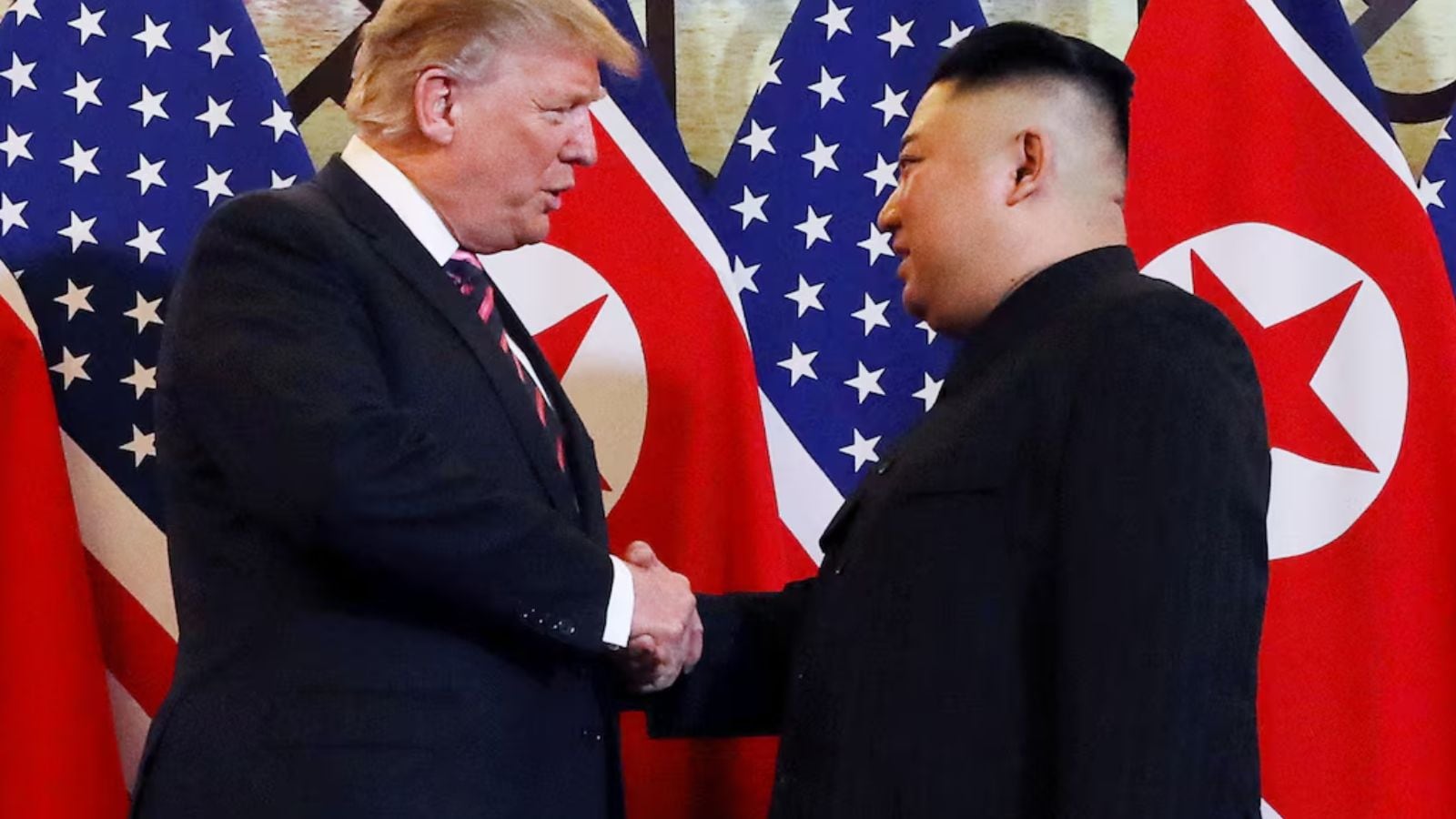
Foreign policy bureaucrats and diplomatic correspondents love the comfort of consensus. When anonymous officials in Washington and Seoul whisper that a summit between Donald Trump and Kim Jong Un is "unlikely this year," the press corps nods in unison, files their boilerplate analysis, and chalks it up to standard geopolitical friction.
They are completely misreading the board.
The traditional foreign policy establishment treats summitry like a corporate merger: years of low-level due diligence, endless working-level drafts, standardized memos, and a formal ribbon-cutting ceremony only when the outcome is guaranteed. When those low-level channels freeze, career diplomats assume the entire process is dead. That assumption is built on a fundamental misunderstanding of top-down authoritarian statecraft and high-stakes dealmaking.
The Myth of Working-Level Diplomacy
For decades, the State Department playbook required bottom-up negotiation. Lower-level envoys spend months hashing out technical concessions before a Head of State ever enters the room.
That framework is useless when dealing with Pyongyang.
In North Korea, supreme decision-making authority sits with a single individual. Lower-level North Korean diplomats do not have the mandate to compromise; doing so carries existential personal risk. They repeat pre-approved state talking points until their leader decides otherwise. Waiting for "working-level progress" with Pyongyang before staging high-level talks is a structural error that has guaranteed thirty years of nuclear proliferation.
I have sat through executive briefings where analysts mistook North Korean silence at the working level for disinterest. In reality, Pyongyang bypasses middle management by design. They do not care about building institutional consensus in Washington or Seoul. They wait for direct leverage points with the ultimate decision-maker.
When conventional consensus says a meeting is off the table because formal diplomatic tracks have stalled, they are analyzing a personalist dictatorship using a bureaucratic lens.
The Flawed Logic of "Prerequisites First"
The dominant media narrative insists that summits should only happen after concrete steps toward denuclearization are secured. This logic sounds sensible in a think tank policy paper, but it ignores the core reality of power politics.
Nuclear capability is Pyongyang's ultimate insurance policy. Expecting Kim Jong Un to hand over his primary bargaining chip at the lower diplomatic level just to earn a sit-down with a U.S. President is pure fantasy. No authoritarian regime surrenders strategic leverage upfront for the promise of future sanctions relief.
Top-level transactional meetings are not the reward for progress; they are the sole mechanism capable of forcing structural shifts.
Consider the dynamic:
- Working-level talks produce minor, reversible agreements that routinely collapse over verification protocols.
- Leader-to-leader interaction forces immediate political decisions that bypass internal bureaucratic resistance on both sides.
- Public diplomacy creates high-visibility stakes that reframe the cost-benefit analysis for autocratic regimes.
Dismissing high-level contact simply because traditional diplomatic prep work hasn't occurred demonstrates a total failure to grasp how asymmetric power dynamics actually function.
Strategic Distraction and the Real Timelines
While media outlets obsess over calendar dates and election cycles, North Korea's military-industrial complex operates on a completely different timeline. The narrative that "time is running out for a summit this year" assumes that diplomatic optics drive Pyongyang's strategy. They don't.
Pyongyang uses diplomatic lulls to advance missile design, expand fissile material stockpiles, and diversify delivery systems. Every month spent debating whether a summit is "statistically probable" is a month where technical capabilities compound.
The real question isn't whether foreign policy staffers see a opening for a meeting before the end of the year. The question is why the policy community continues to treat time as if it favors the West.
Imagine a scenario where Pyongyang intentionally project complete disinterest in talks right up until a critical geopolitical window opens, precisely to maximize their strategic leverage. By convincing foreign capitals that dialogue is dead, they drive up the perceived value of any eventual contact. It is classic positioning, yet foreign policy analysts fall for it every single cycle.
The Threat of Bureaucracy Over Disruption
The greatest risk to strategic stability in East Asia isn't unpredictable high-level summitry; it is the predictable comfort of institutional paralysis. Career diplomats prefer containment and incremental sanctions because those tools require no structural risk. They fit neatly within established agency norms.
Yet, three decades of incremental sanctions and stern press statements from the U.N. Security Council have yielded a nuclear-armed state with intercontinental ballistic capabilities.
Adhering to conventional diplomatic protocol has delivered a 100% failure rate on denuclearization. Continuing to evaluate political viability through the lens of traditional diplomatic protocol isn't sound analysis—it's willful blind spot maintenance.
The belief that summits require months of traditional preparation is an artifact of a bygone era. Real disruption in high-stakes geopolitics never waits for bureaucratic permission.
Stop listening to anonymous aides measuring progress by standard State Department metrics. The old playbook didn't just fail; it built the very arsenal everyone is now trying to dismantle.