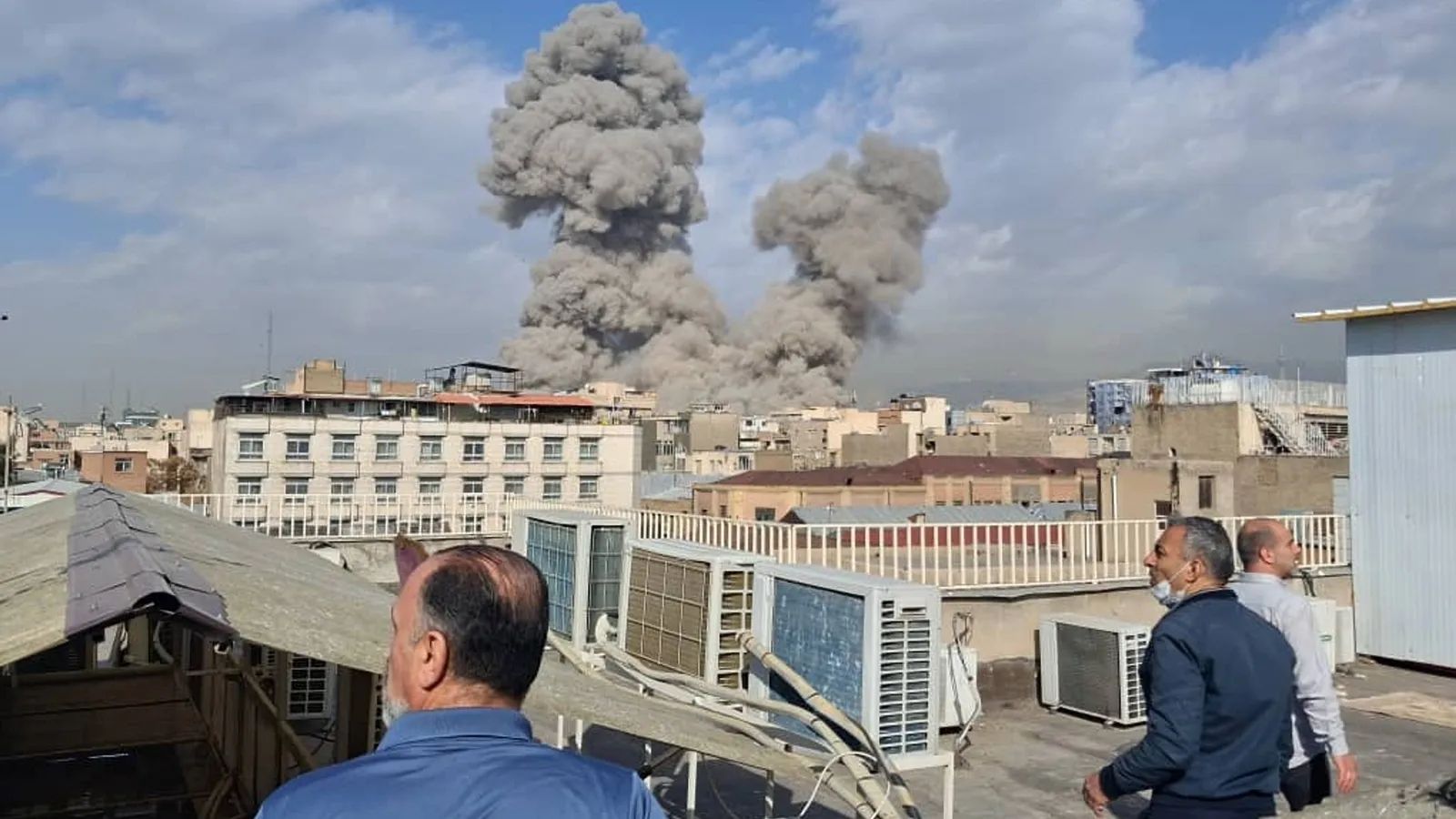
Spanish authorities have officially identified all 13 victims of the devastating fire that swept through the Atalayas entertainment district in Murcia. Using rapid DNA profiling to overcome the catastrophic damage caused by the flames, forensic investigators confirmed the names of those who perished inside the connected venues of Fonda Milagros and Teatre. While the physical identification process has concluded, the far more difficult task of identifying the systemic failures that allowed this tragedy to happen is only just beginning. This was not an unavoidable accident, but a predictable consequence of administrative paralysis and regulatory decay.
The ashes had barely cooled before the paper trail began to surface. It revealed a shocking reality that has become all too common in municipal governance.
Both venues had been operating under a formal closure order for over a year and a half. Yet, week after week, the music played, the drinks flowed, and hundreds of patrons packed into spaces that legally did not exist. The story of the Murcia fire is a grim case study in how bureaucratic inertia and a lack of enforcement turn paper regulations into death warrants.
The Grim Chemistry of Identification
Identifying the victims of the Murcia blaze required a massive, coordinated effort from Spain’s National Police forensic units. The fire, which broke out in the early hours of a Sunday morning, reached temperatures exceeding 1,000 degrees Celsius. This extreme heat structurally compromised the building, causing the roof of the Fonda Milagros club to collapse inward, trapping those inside under tons of burning debris.
Under these conditions, traditional methods of identification were impossible.
Forensic teams had to rely entirely on DNA matching, collecting reference samples from grieving family members who had gathered at a nearby sports center. The process was agonizingly slow for the relatives, but scientifically necessary to prevent errors. Spanish authorities worked around the clock, matching genetic profiles to confirm the identities of citizens from Spain, Colombia, Ecuador, and Nicaragua.
While the police performed their duties with clinical precision, the public quickly turned its attention to the local government. How could a tragedy of this scale happen in a modern European city with supposedly strict safety codes?
The Illusion of Two Clubs
To understand the disaster, one must understand the spatial trickery of the venue itself. Originally, the building operated as a single, large nightclub called Teatre. In 2019, the owners decided to split the interior space into two separate businesses, creating a second club known as Fonda Milagros.
This structural modification changed everything.
Under Spanish law, dividing a commercial space requires a brand-new operating license and a comprehensive safety inspection. The partition altered the emergency exit routes, the capacity limits, and the fire prevention infrastructure of the entire building. The owners submitted paperwork to modify their license, but the municipal government rejected the application.
Despite this rejection, the partition wall went up. Fonda Milagros opened its doors, presenting itself to the public as a distinct, legitimate establishment. In reality, it was an unapproved, uninspected annex of an already compromised structure.
The municipality was fully aware of this. In January 2022, the Murcia town hall issued an official decree ordering the immediate cessation of activities for both Teatre and Fonda Milagros. The order was clear and legally binding. The venues were to be shut down because they lacked the necessary authorization to operate under the new layout.
Yet, they stayed open for another twenty months.
The Administrative Black Hole of Enforcement
The existence of a closure order means nothing if there is no physical enforcement. In Murcia, the gap between writing a decree and padlocking a door proved to be fatal.
Following the fire, a furious blame game erupted between local politicians and the venue operators. The city’s deputy mayor admitted that the administration had ordered the venue to close in early 2022. He claimed that the municipal services had instructed inspectors to enforce the closure.
However, the inspectors never showed up.
In Spain’s complex administrative structure, the process of shutting down a business is bogged down by procedural hurdles. A department issues an order, the business appeals, the department reviews the appeal, and the file gets passed from one desk to another. If the business simply ignores the order, the municipality must coordinate with local police to physically seal the premises.
In this case, the file languished in an administrative black hole. The owners of Teatre claimed they never received a final directive to close, a defense that investigators have viewed with deep skepticism. Even if the owners practiced deliberate ignorance, the city council had a duty to protect the public. They knew the venue was operating illegally. They did nothing to stop it.
This is a systemic pattern of neglect. Across southern Europe, local councils often lack the personnel or the political will to enforce closure orders on popular nightlife spots, which generate significant tax revenue and tourism. The fear of being sued by business owners or accused of destroying local jobs frequently paralyzes municipal authorities. They choose the path of least resistance, leaving the orders on paper and praying that nothing goes wrong.
When Fire Meets Negligence
When the spark occurred, the structural modifications made during the unauthorized split of the club became active traps.
Survivors reported that the air conditioning system began emitting thick, black smoke before the flames even became visible. Within minutes, the interior of Fonda Milagros was pitch black. The toxic fumes, fueled by cheap soundproofing materials and synthetic decorations, overwhelmed many patrons before they could reach the exits.
The layout changes meant that emergency exit routes were confusing and blocked by the partition wall.
Witnesses described scenes of absolute panic as people tried to navigate the labyrinthine interior in total darkness. The collapse of the roof sealed the fate of those who had retreated to the upper VIP cabins of Fonda Milagros. It was in this specific area that most of the bodies were discovered.
The tragedy exposes a fundamental flaw in how public safety is managed. We live in an era where safety standards on paper are incredibly rigorous. Building codes dictate everything from the flame-retardant rating of upholstery to the exact width of fire exits. But these codes are entirely useless if the state fails to monitor the physical spaces where citizens gather.
The Cost of Looking the Other Way
The identification of the thirteen victims has brought a somber closure to the search phase, but the legal battle is just beginning. A Murcia court has opened a negligent homicide investigation. The owners of the venues, the managers, and potentially the municipal officials who failed to enforce the closure order will face intense legal scrutiny.
Criminal liability in these cases is notoriously difficult to pin down.
Defense lawyers will exploit every loophole in the administrative paper trail, arguing that conflicting communications or procedural errors invalidated the closure order. They will try to shift the blame to the individual who caused the spark, or to the landlords of the building.
But the public knows where the true failure lies. It lies with a system that treats public safety as a bureaucratic box-checking exercise rather than a continuous, active duty.
Paperwork does not fight fires. Decrees do not save lives unless they are backed by the physical presence of inspectors and police officers willing to shut down hazardous venues. Until municipalities treat the enforcement of safety codes with the same urgency as tax collection, the names of the victims in Murcia will simply be added to a long, tragic list of avoidable deaths. The thirteen people who died in the Atalayas district did not lose their lives to an act of God. They lost them to an administrative system that looked the other way.