Twelve million people sat in front of their televisions in Britain at the height of Ground Force, watching three people in matching fleeces do something radical. They took neglected patches of grass, tangled weeds, and soggy slabs of concrete, and in a matter of days turned them into places where families could actually breathe.
At the center of that storm of sawdust, turf, and dry humor stood Tommy Walsh.
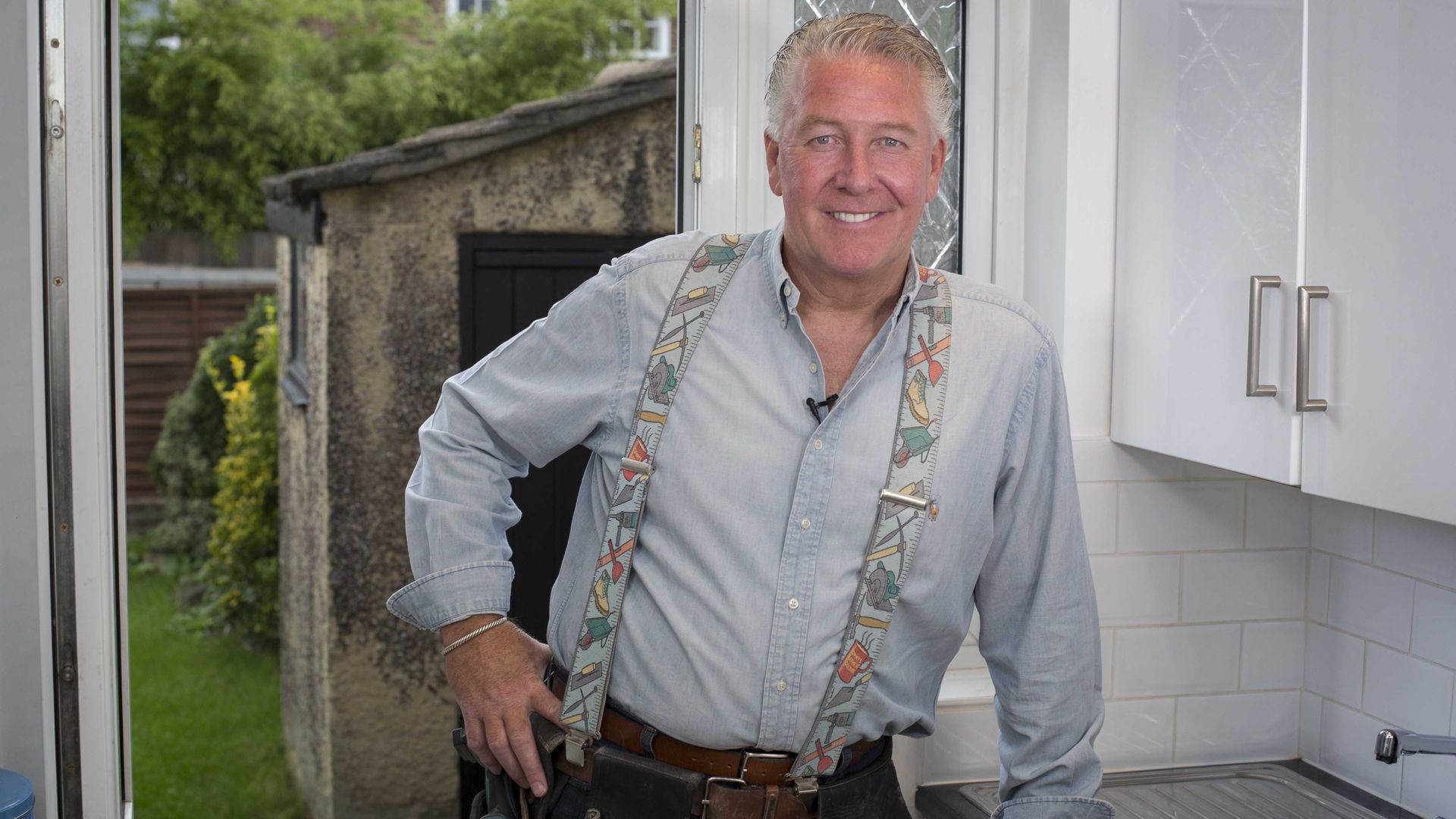
On November 9, 2026, Tommy died at the age of 69 following a long illness, surrounded by his family. For anyone who grew up with late-nineties and early-two-thousands television, the news hits with a strange, quiet weight. He wasn't a polished studio host reading off a teleprompter with practiced poise. He was a builder from Hackney who looked like he had just climbed out of a transit van, smelling faintly of timber preservative and freshly cut grass, ready to measure twice and cut once.
We tend to file celebrity deaths under neat categories. TV personality. Former presenter. Age 69. Those labels are tidy, convenient, and almost entirely bloodless. They tell you when someone arrived and when they left, without ever explaining why their absence feels personal in a living room thousands of miles from a camera crew.
Why a Man With a Tape Measure Felt Like Family
Long before anyone knew Tommy's name on a screen, he was running a property business and doing real physical work with his hands. His break into television didn't come from a talent agency or a drama school audition. It came because he restored the house of a BBC producer who was developing ideas around home and garden transformations.
Even then, Tommy wasn't chasing fame. He reportedly turned down the chance to join the show three times. He only agreed after his eight-year-old daughter told him she had made a £10 bet at school that her dad was going to be on television.
Think about that for a second. A grown man who had spent years hauling materials and solving practical problems didn't step into the spotlight out of vanity. He stepped in because his kid had put a ten-pound wager on him. That detail says everything about who he was on screen. There was no pretension in him. When a plan ran late or a piece of timber didn't cooperate, you saw the genuine grit of someone who knew how to fix things without losing his temper.
Alongside Alan Titchmarsh and Charlie Dimmock from 1997 through 2005, Tommy helped turn weekend DIY and garden makeovers into national event television. Viewers tuned in for the transformations, sure, yet what kept twelve million people hooked was the chemistry and the warmth.
Consider what happens next when a show taps into something real rather than chasing trends: it becomes a mirror for how people want to live.
To understand the appeal of Ground Force, it helps to use a simple metaphor. A neglected backyard is often a quiet stand-in for an exhausted life. When work piles up, grief settles in, or caring for loved ones takes every spare hour, the outside space is usually the first thing to go to seed. Watching Tommy build a deck or lay down stone wasn't just watching carpentry. It was watching someone impose order and beauty on a space that had been left behind.
Hypothetical Sunday in a Concrete Yard
To feel the invisible stakes of that kind of work, let's step into a hypothetical scenario—a composite picture of the kind of household that made those shows resonate so deeply.
Picture a terraced house in a busy town where the back garden has become a graveyard of old pots, broken toys, and moss-slicked paving. Let's call the homeowner Sarah, a fictional stand-in for thousands of viewers who watched with a cup of tea in hand. Sarah has spent two years juggling shifts and looking after an elderly relative. Every time she looks out the kitchen window, she doesn't see a sanctuary. She sees another chore she doesn't have the energy to finish.
When a crew arrives on screen to clear the brambles, level the ground, and put up a structure that actually lasts, the relief isn't about decking boards. It's emotional. It's the feeling that someone has stepped in to lighten a load that has grown too heavy to carry alone.
Tommy understood that weight intuitively. Tradespeople spend their lives seeing behind the walls of other people's homes. They see damp patches, sagging joists, and half-finished projects born of good intentions and tight budgets. When you spend decades in people's houses, you learn how to read a room—and a yard—without needing a speech.
The Quiet Battles Behind the Smile
What makes Tommy's passing at 69 feel even sharper is the way he spoke openly over the years about health scares and cancer battles.
Years before his final illness, back in 2002, he had lumps in his chest checked and removed—benign, thankfully—at a time when men rarely talked about breast cancer. Later, in 2022, a routine visit to his GP led to a throat cancer diagnosis and surgery, from which he recovered and returned to kicking a ball around. In the years that followed, he also faced a tumor in his lung and spoke candidly about targeted radiotherapy and shrinking scans.
There is a particular vulnerability in watching someone who always looked sturdy and capable navigate repeated medical blows. Plenty of us put off checkups because we feel fine enough to get through the week, or because we don't want to hear bad news. Tommy's willingness to talk plainly about going to the doctor, getting things checked, and taking treatment day by day gave ordinary people permission to stop ignoring quiet warnings.
I have lived long enough to know how deceptive resilience can look from the outside. Someone can crack jokes, show up on time, and carry heavy gear across a lawn while quietly dealing with fear behind closed doors. That doesn't make their warmth fake. It makes it earned.
From South Africa to Saturday Mornings
Tommy's career stretched far beyond a single show. He fronted series like Challenge Tommy Walsh and Flip That House with Tommy Walsh, appeared on Homes Under the Hammer and Clean It, Fix It, and even traveled to South Africa with his Ground Force teammates to work in secret on Nelson Mandela's garden, building a pergola and water feature.
Think about the range of those moments. One day he was helping build a feature in the garden of a global icon of freedom; another day he was assessing brickwork, estimating costs, or sharing laughs with a crew that felt like family week after week.
No single project defined him because his real craft was consistency. He showed up. He worked hard. He treated people like equals, whether he was talking to a first-time buyer or a world leader.
In an era when television often rewards loud opinions and manufactured drama, Tommy offered something quieter and far rarer: competence paired with decency. He didn't talk down to viewers, and he didn't pretend every job was effortless. If a cut was slightly off, you saw the adjustment. If a joke fell flat or landed sideways, everyone moved on without ego.
What Stays When the Tools Are Packed Away
Sixty-nine is not old. Not anymore. It is an age when you expect a familiar face to still be around—maybe slowing down a little, maybe taking things easier, still recognizable in a crowd or on a rerun.
His wife Marie, their three children—Charlotte, Natalie, and Jonjo—and his friends at Old Parmiterians football club, where he once played in goal as a young man, are left with the hardest part: living with the silence where a big personality used to be.
Yet legacies don't live only in obituaries or archive clips. They live in the small, stubborn acts of care people take after someone is gone. A neighbor finally clearing out an overgrown border. A father teaching a kid how to hold a saw safely. Someone booking a doctor's appointment they had been putting off for months.
Long after the cameras stop rolling, the real measure of a builder isn't how fast he puts a structure up—it's whether the ground beneath it feels steadier once he leaves.