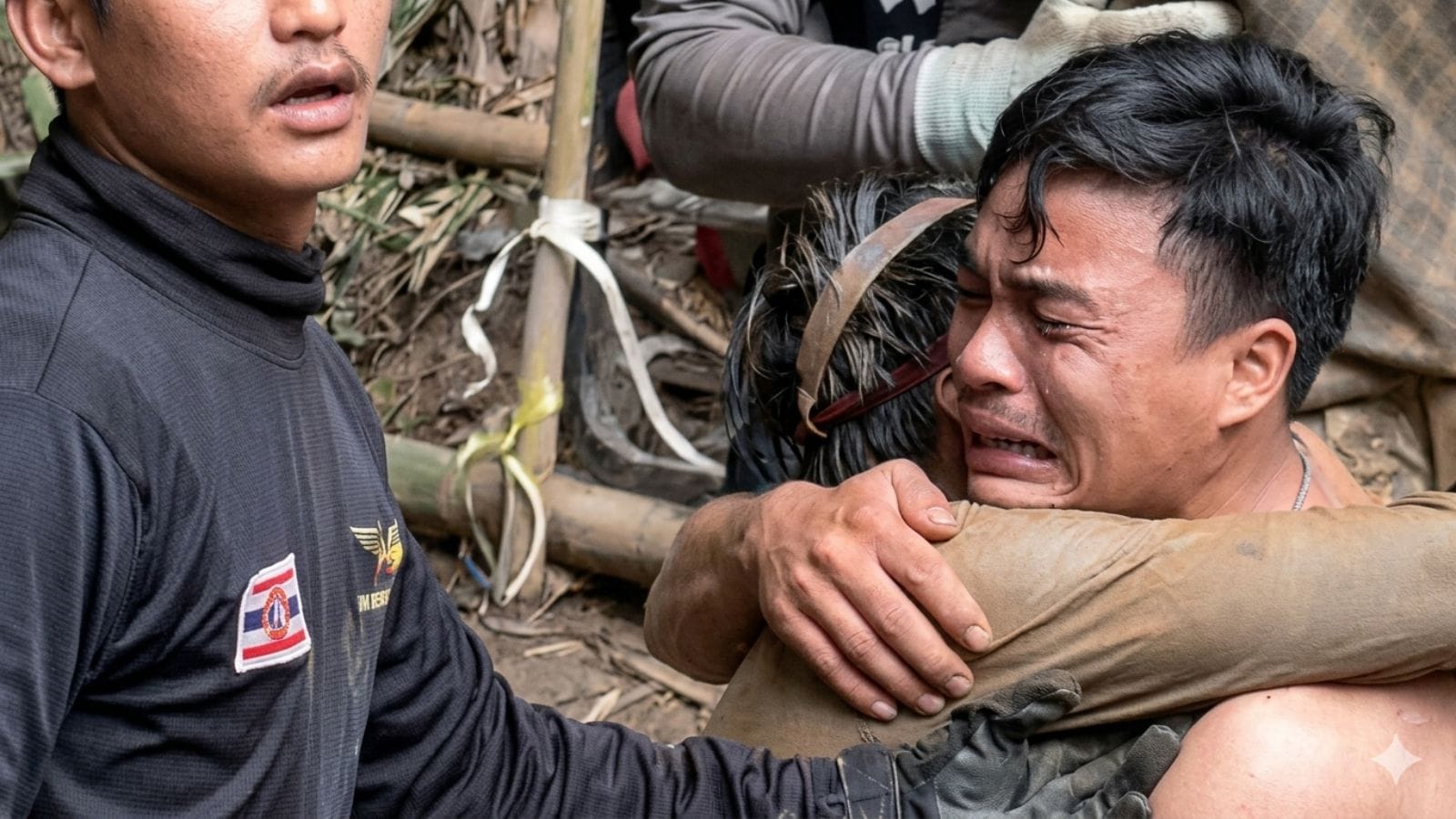
The tear gas hanging inside the Ankara headquarters of the Republican People’s Party (CHP) does not just represent a police operation. It marks the formal unraveling of Turkey’s institutional opposition. When riot police stormed the country’s main secular political hub over the weekend, tearing up court orders and scattering elected officials with rubber bullets, the state apparatus telegraphic a clear message. The ballot box is no longer a guaranteed shield against executive power.
This crisis did not happen overnight. It is the culmination of a systematic, judicial engineering campaign designed to dismantle the leadership of Özgür Özel, who took the party's helm in late 2023 and led it to a historic triumph in the 2024 local elections. By utilizing a pliant court system to overturn the CHP's internal leadership votes, the government of President Recep Tayyip Erdoğan has effectively reached inside the opposition's front door to pick its own adversary. Handing interim control back to Kemal Kılıçdaroğlu—the veteran leader whose predictable, cautious strategy yielded decades of electoral defeats—is a masterclass in autocracy by judicial decree.
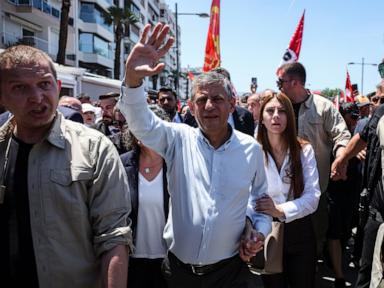
While tens of thousands of citizens fill the streets of Istanbul, Ankara, and İzmir, their chants echoing off the concrete walls of municipal buildings, the narrative offered by mainstream competitors misses the point entirely. This is not a simple story of popular protest versus an authoritarian leader. It is an intricate, internal and external squeeze where the state leverages the opposition’s own historic fractures to neutralize a rising political threat before the next presidential cycle.
The Strategy of Forced Regression
To understand why the state struck now, one must look at what Özel represented. Unlike his predecessor, Özel brought an aggressive, mobilizing energy to the CHP, bridging gaps with younger voters and coordinating effectively with various socio-political factions. Under his watch, the party proved it could win. The government’s response was not to compete, but to rewrite the rulebook of party autonomy.
The mechanics of the coup are chillingly precise. A Turkish court invalidated the internal elections that brought Özel to power, citing administrative technicalities. Rather than calling for an open, democratic re-run under independent oversight, the judiciary explicitly reinstated Kılıçdaroğlu as interim chairman. The compliance was immediate. Within hours of his court-mandated reinstatement, Kılıçdaroğlu fired the party’s existing legal team—the very lawyers preparing an appeal against Özel’s ouster—and replaced them with attorneys who promptly withdrew the legal challenge.
This sequence reveals that the state is no longer content with merely arresting individual dissidents; it is now actively managing the internal hierarchy of its rivals. By installing a leadership faction that has historically proven incapable of defeating Erdoğan at the polls, the executive branch achieves containment without needing to ban the party outright. It preserves the illusion of a multi-party system while ensuring that system is structurally incapable of producing a victory.
The Local Government Empty Shell Game
The assault on the party central command follows an extensive blueprint executed across Turkey's municipalities over the past two years. Since the landmark local elections of March 2024, the Ministry of Interior has conducted a relentless campaign of "trustee" appointments.
Data compiled by municipal labor syndicates reveals the staggering scale of this administrative purge. Over 85 municipalities nationwide have been stripped from elected hands through suspensions, legal maneuvers, and direct arrests.
| Municipality Metric | National Impact Data |
|---|---|
| Municipalities with Appointed Trustees | 13 major districts, including Esenyurt, Mardin, and Batman |
| Mayors and Co-Mayors Permanently Removed | 30 elected officials |
| Total Council Seats Politically Altered | 55 municipal chambers |
| Affected Electoral Voice | 8,845,767 votes nationwide |
| Total National Electorate Nullified | Approximately 20.5% of all cast ballots |
When the state replaces an elected mayor like Esenyurt’s Ahmet Özer with an appointed provincial bureaucrat, it does more than change the occupant of an office. It informs one in five Turkish voters that their political agency is conditional. The tax revenues, municipal budgets, and local patronage networks that once sustained opposition organizing are systematically diverted back toward state-approved channels.
The Fractured Front and Street Realities
Outside the barricaded offices, the response on the streets is fierce but inherently limited. University students, labor unions like the Confederation of Public Employees’ Trade Unions (KESK), and medical associations have formed the backbone of the spontaneous marches toward the Grand National Assembly. They face an unyielding wall of water cannons and pepper spray on the main thoroughfares of Ankara.
Yet, a deep tactical vulnerability undermines this display of public anger. The opposition is fighting a two-front war, one against the riot police and another against its own internal contradictions. While Özel tore up his eviction notice and marched eight kilometers through the capital, his allies are forced to debate whether to participate in fresh emergency party elections or risk total administrative disenfranchisement.
The state relies heavily on this exhaustion factor. Mass demonstrations in Turkey face a highly sophisticated internal security apparatus that has spent a decade refining its crowd-control and digital surveillance methods. Street protests can disrupt traffic and capture international headlines, but without institutional levers or an independent judiciary to ratify popular demands, they rarely alter executive policy. Instead, they often provide the state with the exact footage it needs to justify further crackdowns under the banner of public order.
The illusion that Turkey operates as a standard flawed democracy is officially over. By deciding who is allowed to lead the political opposition, the current administration has shifted from controlling the parameters of the race to selecting the runners. The primary threat to the country’s political future is not that the opposition will lose the next election, but that the concept of an opposition will be reduced to a state-managed bureaucratic department.